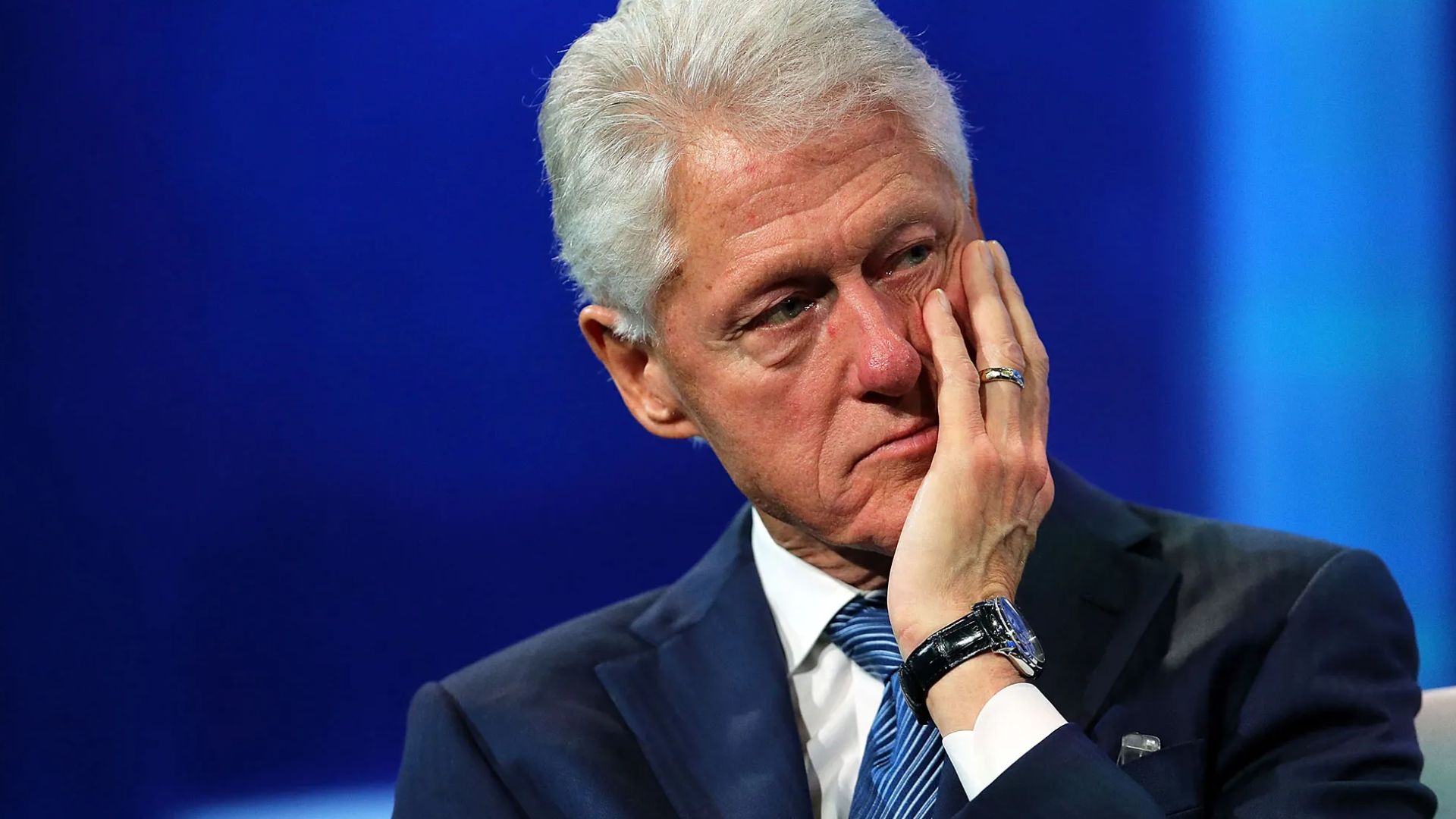
bill clinton
The Life and Legacy of Bill Clinton: A Comprehensive Biography
Bill Clinton, the 42nd President of the United States, has left an indelible mark on the history of the nation. His presidency, lasting from 1993 to 2001, was filled with significant accomplishments and challenges. In this article, we will dive deep into Clinton’s biography, his journey from a young politician to the leader of the free world, his achievements, controversies, and his lasting influence on modern America.
Early Life and Education: The Foundations of a Leader
Born on August 19, 1946, in Hope, Arkansas, Bill Clinton’s early years were marked by ambition and perseverance. Raised in a modest household, Clinton faced the challenges of his father’s death before he was born and his mother’s remarriage. Despite these challenges, he excelled academically and was deeply influenced by the desire to make a difference in the world.
Clinton graduated from Georgetown University with a degree in International Affairs. His passion for politics was further nurtured at the University of Oxford, where he studied as a Rhodes Scholar. His experiences during these formative years laid the groundwork for his political career and his drive to seek public service.
The Rise of Bill Clinton in Politics
Clinton’s political journey began in Arkansas, where he quickly rose through the ranks, becoming the state’s Attorney General in 1976 and Governor in 1978. As governor, Clinton gained a reputation for his commitment to education reform and his ability to connect with people from all walks of life.
His first term as governor ended in 1980, but he didn’t stay down for long. He came back strong in 1982 and served four terms as Arkansas’ governor, earning national recognition for his leadership and focus on economic growth and social issues.
The Road to the White House: Clinton’s Presidential Campaigns
Clinton’s bid for the presidency in 1992 was a pivotal moment in American history. His campaign, focusing on the theme of “Change,” resonated with voters who were dissatisfied with the status quo. At 46, Clinton became the youngest president elected at the time, defeating incumbent President George H.W. Bush.
Clinton’s charisma and ability to connect with people on a personal level played a major role in his success. His platform centered on economic issues, particularly the need for healthcare reform, job creation, and deficit reduction.
Bill Clinton’s Presidency: Key Achievements and Milestones
1. Economic Prosperity:
Clinton’s economic policies helped create one of the longest periods of economic growth in U.S. history. His administration worked to reduce the federal deficit, and by the time he left office, the country had a budget surplus. His efforts to balance the budget were critical in reducing national debt and stabilizing the economy.
2. Welfare Reform:
In 1996, Clinton signed the Personal Responsibility and Work Opportunity Reconciliation Act, which aimed to reduce dependence on government assistance and promote work. This controversial reform reshaped the welfare system and is often cited as one of Clinton’s most significant domestic policy achievements.
3. Healthcare Reform:
While Clinton was unsuccessful in passing comprehensive healthcare reform through Congress, his administration laid the groundwork for future healthcare policies. The Clinton Health Security Act, although it didn’t pass, sparked crucial conversations that led to the Affordable Care Act (Obamacare) in the 2010s.
4. North American Free Trade Agreement (NAFTA):
One of the hallmark international policies of Clinton’s presidency was NAFTA, a trade agreement between the U.S., Canada, and Mexico. While controversial, it created the world’s largest free-trade zone and bolstered economic relations between the three countries.
Clinton’s Legacy: What Lasts Beyond His Presidency
Bill Clinton’s legacy is complex. While his presidency was marked by economic success and international diplomacy, his personal life also generated significant public attention. The Monica Lewinsky scandal and subsequent impeachment trial are key chapters of his time in office. Yet, despite these controversies, Clinton’s post-presidency has been marked by global humanitarian efforts through the Clinton Foundation, focusing on health, education, and economic development.
Frequently Asked Questions About Bill Clinton
- What were Bill Clinton’s biggest achievements as president? Clinton’s key achievements include economic growth, welfare reform, and the implementation of NAFTA. He also left office with a balanced federal budget.
- Was Bill Clinton impeached? Yes, Clinton was impeached in 1998 on charges of perjury and obstruction of justice related to the Monica Lewinsky scandal. However, he was acquitted by the Senate and finished his term.
- How did Clinton contribute to global diplomacy? Clinton played a significant role in peacekeeping efforts, particularly in the Balkans, and worked towards resolving conflicts in the Middle East.
- What is the Clinton Foundation? The Clinton Foundation focuses on global health initiatives, poverty alleviation, and education. It has been instrumental in addressing issues like HIV/AIDS and global climate change.
- How has Bill Clinton influenced modern politics? Clinton’s economic policies, focus on centrist values, and strong communication skills have greatly influenced modern Democratic policies.
- What is Bill Clinton doing now? Clinton continues to be involved in global humanitarian work through the Clinton Foundation and remains an influential figure in American politics.
About the Author