
In today’s fast-paced world, having reliable internet access is crucial for both personal and professional life. Whether you’re streaming your favorite shows, working from home, or playing online games, a fast and stable internet connection can make all the difference. But with so many options available, choosing the right internet provider can be a daunting task. In this article, we’ll guide you through the different types of internet providers, what to consider when selecting one, and the top providers available in the market today.
1. The Different Types of Internet Providers
Internet providers vary in terms of the technology they use to offer service. Here’s a breakdown of the most common types:
1.1. Cable Internet Providers
Cable internet is delivered over the same coaxial cables used by cable television services. It’s one of the most widely available types of internet in urban and suburban areas. Cable internet providers typically offer speeds ranging from 25 Mbps to 1 Gbps, making it suitable for most households and businesses.
1.2. Fiber Optic Internet Providers
Fiber optic internet uses light signals to transmit data, offering some of the fastest internet speeds available. With speeds often exceeding 1 Gbps, fiber optic internet is ideal for heavy internet users, including those who stream 4K video, work from home, or engage in high-demand online gaming. However, fiber optic service is not as widely available as cable, so it’s mostly an option in larger cities or newer developments.
1.3. DSL (Digital Subscriber Line) Providers
DSL internet is transmitted over existing telephone lines, making it one of the most affordable options for rural areas. While the speeds typically range from 5 to 100 Mbps, DSL is often slower and less reliable than fiber or cable, but it’s a good choice for users who don’t require blazing-fast speeds.
1.4. Satellite Internet Providers
Satellite internet is ideal for areas where other forms of internet service aren’t available, especially rural and remote locations. Providers like HughesNet and Viasat offer satellite connections, but the speeds are generally slower compared to other types. Satellite internet also tends to suffer from higher latency, which can be an issue for gaming or real-time communication.
1.5. Fixed Wireless Internet Providers
Fixed wireless internet is another alternative in rural areas, offering speeds up to 100 Mbps or more, depending on the provider. It’s delivered via radio signals from a base station to a receiver installed on your property, making it a great option where wired internet is unavailable.
1.6. Mobile Internet Providers
Mobile internet, provided by cellular networks, can be a great option for people on the go. Providers like Verizon, AT&T, and T-Mobile offer 4G and 5G mobile hotspot services, ideal for mobile devices, laptops, or tablets. However, mobile internet tends to have data limits and slower speeds than fixed options.
2. Factors to Consider When Choosing an Internet Provider
When selecting an internet provider, there are several factors to keep in mind. The best choice for you depends on your specific needs, budget, and location.
2.1. Speed Requirements
The internet speed you need depends on how you plan to use the connection. Here’s a general guide:
- Basic usage (email, browsing): 5-10 Mbps
- HD streaming and video calls: 25-50 Mbps
- 4K streaming, gaming, and heavy downloads: 100 Mbps or more
- Large households or multiple users: 200 Mbps and higher
If you’re a heavy user or have multiple people in the household who rely on the internet, you’ll need a plan with faster speeds.
2.2. Data Caps and Overages
Some internet providers impose data limits, especially for plans with lower speeds. If you’re streaming a lot of content, playing online games, or working from home, data caps can become a real issue. Look for internet providers that offer unlimited data, or ensure that the data cap suits your usage.
2.3. Reliability and Customer Service
No one wants their internet to go down when they need it most. Look for providers with a strong reputation for reliability. Additionally, check reviews for customer service quality—when something goes wrong, you’ll want to be able to reach someone who can resolve your issue quickly.
2.4. Availability in Your Area
Not all internet providers are available in all areas. Urban areas tend to have more choices, including fiber-optic and cable options, while rural areas may be limited to DSL or satellite providers. Always check which providers service your area before making a decision.
2.5. Price and Value
While you may be tempted to choose the cheapest option, make sure the plan provides good value for the price. Compare speeds, customer support, and any added services such as free Wi-Fi or equipment rental fees. Sometimes, paying a little more for a faster or more reliable connection is worth it in the long run.
3. Top Internet Providers to Consider
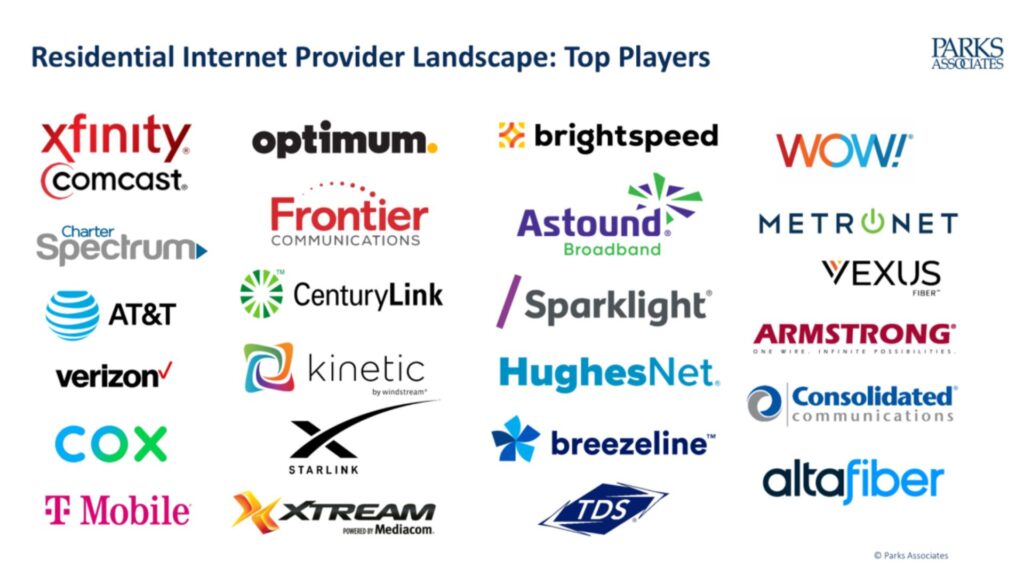
Now that you know what to look for, here’s a list of the top internet providers in the market, along with their key features.
3.1. Xfinity
Xfinity is one of the largest and most popular internet providers in the United States. They offer a variety of plans, including cable internet and fiber options in some areas. Xfinity is known for offering fast speeds (up to 2 Gbps in select areas) and extensive coverage across the country.
3.2. AT&T
AT&T is a top-tier provider that offers both fiber and DSL internet options. Their fiber-optic service delivers speeds up to 5 Gbps, making it ideal for heavy internet users. They also offer bundles that include internet, TV, and phone services, adding great value for families.
3.3. Verizon Fios
Verizon Fios provides high-speed fiber-optic internet, offering speeds up to 1 Gbps or more. It’s known for being one of the fastest and most reliable internet services, and it also comes with no data caps, making it ideal for streaming, gaming, and heavy browsing.
3.4. Spectrum
Spectrum provides cable internet with speeds ranging from 100 Mbps to 1 Gbps. It’s available in many areas across the U.S. and doesn’t have data caps on any plans, which is a big advantage over other providers.
3.5. CenturyLink
CenturyLink offers both fiber and DSL internet, with fiber speeds ranging up to 940 Mbps. They have a price-lock guarantee, which means your rate won’t increase during your contract term, giving you peace of mind when it comes to budgeting.
3.6. Cox
Cox is a strong competitor in the cable internet market. They offer plans with speeds ranging from 25 Mbps to 1 Gbps, and they also provide bundled services that combine internet with TV and phone options.
3.7. HughesNet
For those living in rural areas, HughesNet is one of the leading satellite internet providers. Though it offers lower speeds (25 Mbps), it provides reliable coverage in remote locations where other internet options may not be available.
4. How to Maximize Your Internet Service
To get the best performance from your internet, here are some tips for optimizing your connection:
- Use a wired connection: If possible, connect your devices directly to the router using an Ethernet cable. This provides more stable speeds than Wi-Fi.
- Upgrade your equipment: Make sure you have a high-quality router and modem. Older equipment may not be able to support the speeds offered by your provider.
- Check for interference: If you’re using Wi-Fi, make sure your router is placed in a central location and away from obstructions like walls or microwaves, which can interfere with signals.
- Monitor your usage: Use tools to monitor your data usage and ensure you’re not going over any caps, which could result in slower speeds or extra charges.
5. Conclusion
Selecting an internet provider is a significant decision that can impact your daily life. By considering factors like speed, data limits, reliability, and customer service, you can make an informed choice that fits your needs. Always take the time to compare different options in your area and read customer reviews to find the best provider for your lifestyle.
Whether you’re streaming, gaming, or working from home, choosing the right internet provider will ensure that you have a fast, reliable connection to meet all your online needs.
About the Author