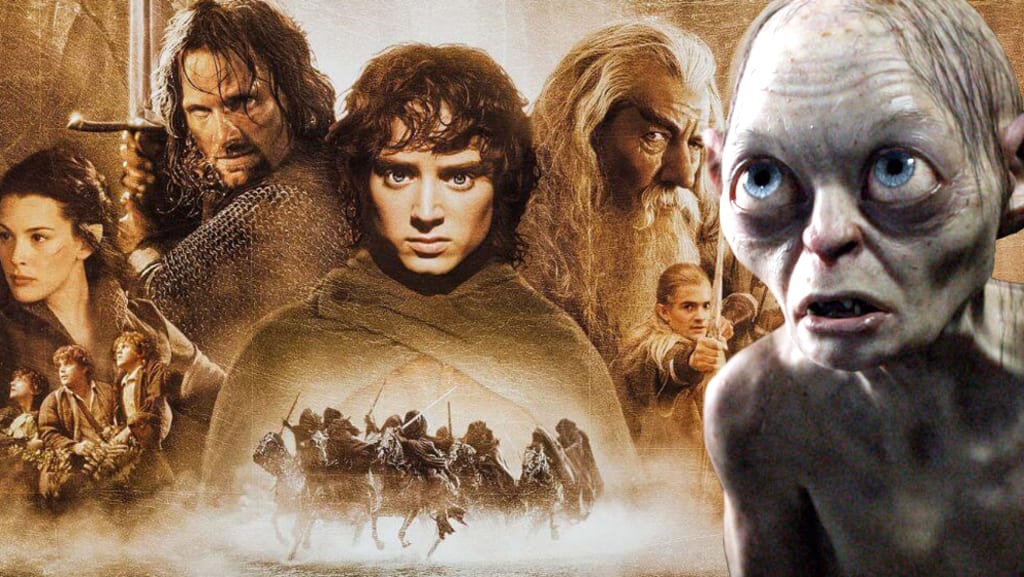
The Lord of the Rings is more than a fantasy story. It is a journey about courage, hope, and friendship. Written by J.R.R. Tolkien, this legendary tale has touched millions of readers for decades. Even today, new fans discover its magic through books, movies, and shows. The story feels timeless because its lessons are simple and human. Good and evil are clear, yet characters feel real and flawed. Many people first meet Middle-earth as children, then return as adults with deeper understanding. That is rare and powerful.
What makes The Lord of the Rings special is its heart. It is not only about battles or magic rings. It is about ordinary people facing fear and choosing kindness. Tolkien created a world that feels alive, with history, songs, and languages. Readers do not just read the story. They live inside it. This guide will help you understand why this epic still shines and why it continues to inspire generations around the world.
The Origin of The Lord of the Rings and Tolkien’s Vision
The Lord of the Rings was born from Tolkien’s love for myths, language, and history. He was not just a writer. He was a professor and a language expert. Tolkien spent years building Middle-earth before the story was published. Every place had a past. Every name had meaning. This deep planning made the world feel real and complete.
Tolkien began writing the story as a sequel to The Hobbit. But it grew into something much bigger. His goal was not fame or money. He wanted to create a modern myth. World War experiences also shaped his writing. Themes of loss, bravery, and sacrifice appear throughout the tale. Tolkien showed how small acts of goodness can defeat great darkness. That idea still speaks to readers today. Because of this careful vision, The Lord of the Rings feels rich, deep, and meaningful, even after many years.
Understanding Middle-earth: A World That Feels Real
Middle-earth is one of the most detailed fantasy worlds ever created. In The Lord of the Rings, every land feels unique and alive. The peaceful Shire feels warm and safe. Rivendell feels wise and calm. Mordor feels dark and hopeless. These places reflect the emotions of the story.
Tolkien designed Middle-earth with maps, timelines, and languages. This depth helps readers believe in the world. It feels like a place that existed long before the story began. Many fantasy writers today follow Tolkien’s example. Without Middle-earth, modern fantasy would look very different. The world also teaches lessons. Nature is precious. Power can corrupt. Simple living has value. These ideas are woven gently into the story. That is why readers do not feel lectured. They feel connected. Middle-earth becomes a place readers want to protect, just like the characters do.
The One Ring: Power, Temptation, and Responsibility
The One Ring is the heart of The Lord of the Rings. It is small, simple, and dangerous. The Ring promises power, but it always takes more than it gives. Many characters feel its pull. Even the strongest are tempted. This makes the Ring feel real and frightening.
The Ring represents greed and control. It shows how power can slowly change good people. Frodo’s struggle feels personal because temptation is something everyone understands. Carrying the Ring is heavy, both in body and mind. Tolkien shows that true strength is not force. It is resisting evil when it feels easy to give in. The Ring’s journey to Mount Doom is not just a physical path. It is an emotional test. This powerful symbol is one reason The Lord of the Rings stays relevant in every generation.
Frodo Baggins: A Small Hero with a Big Burden
Frodo Baggins is not a typical hero. He is not strong or famous. That is what makes him special in The Lord of the Rings. Frodo represents ordinary people placed in hard situations. He does not seek glory. He only wants peace.
As the story moves forward, Frodo changes. He becomes quieter and more serious. The Ring weighs on him. His journey shows the cost of responsibility. Tolkien reminds readers that heroes often suffer in silence. Frodo’s courage is not loud. It is steady. His choice to keep going, even when afraid, inspires readers deeply. Many people relate to Frodo because he feels real. He struggles, doubts, and needs help. His story teaches that even the smallest person can change the world through persistence and kindness.
Samwise Gamgee: Loyalty, Love, and True Strength
Samwise Gamgee is the emotional heart of The Lord of the Rings. Sam begins as a simple gardener, but his loyalty makes him heroic. He stays by Frodo’s side when others cannot. His love is pure and selfless.
Sam represents hope. When darkness grows, Sam remembers home. He talks about the Shire, food, and peace. These memories keep him going. Tolkien shows that love can be stronger than fear. Sam’s strength comes from caring deeply. He does not seek reward or praise. He just wants Frodo safe. Many fans believe Sam is the true hero of the story. His journey proves that kindness and loyalty can defeat even the greatest evil.
Gandalf: Wisdom, Guidance, and Moral Balance
Gandalf plays a guiding role in The Lord of the Rings. He is wise, patient, and powerful. Yet he does not control others. He advises and trusts people to choose wisely. This makes him different from typical wizards.
Gandalf understands that power must be used carefully. He refuses the Ring because he knows it would corrupt him. His role is to encourage growth. He pushes others toward courage and truth. Gandalf also brings balance. He reminds characters that hope exists, even in dark times. His calm presence helps readers feel safe. Gandalf’s wisdom teaches that leadership means serving others, not ruling them.
Aragorn: Leadership, Destiny, and Humility
Aragorn’s journey in The Lord of the Rings is about accepting responsibility. He is born to lead, but he does not rush toward power. Instead, he earns trust through actions.
Aragorn shows what true leadership looks like. He listens. He protects the weak. He leads from the front. His humility makes him strong. Tolkien contrasts Aragorn with characters who crave control. Aragorn waits until he is ready. This patience makes his rise meaningful. His story teaches that destiny is not about birth alone. It is about choices. Aragorn becomes king because he proves worthy, not because he demands it.
The Fellowship: Unity Across Differences
The Fellowship in The Lord of the Rings brings together very different beings. Hobbits, men, an elf, a dwarf, and a wizard travel together. At first, they struggle to trust each other. Over time, they grow stronger together.
Tolkien shows that unity matters. Each member brings unique skills. No one could succeed alone. Differences become strengths, not weaknesses. This message feels important today. The Fellowship proves that cooperation can overcome fear. Even when the group breaks, their bond remains. Their shared goal keeps them connected. This idea of unity is one reason the story feels hopeful and inspiring.
Themes That Make The Lord of the Rings Timeless
The Lord of the Rings explores themes that never grow old. Friendship, sacrifice, and hope appear again and again. Tolkien also warns against greed and pride. These lessons feel gentle, not forced.
Nature is another strong theme. Tolkien loved the natural world. He shows how destruction harms everyone. The Shire represents peace and balance. Mordor represents ruin and control. These ideas still matter today. Readers learn without feeling taught. That balance is rare. Tolkien trusted readers to understand. This respect helps the story age well and remain meaningful.
The Movies: Bringing The Lord of the Rings to Life
The film adaptations helped introduce The Lord of the Rings to new audiences. Directed by Peter Jackson, the movies stayed faithful to the heart of the story. They respected the characters and themes.
The visuals made Middle-earth feel real. Music added emotion. Casting choices felt natural. While some details changed, the spirit remained strong. Many viewers later read the books because of the films. This shows the power of good storytelling across formats. The movies honored Tolkien’s vision while reaching a modern audience. That balance helped keep the story alive for future generations.
Cultural Impact and Legacy of The Lord of the Rings
Few stories have influenced culture like The Lord of the Rings. It shaped modern fantasy books, games, and films. Many writers credit Tolkien as their inspiration.
Phrases, characters, and ideas from the story appear everywhere. The idea of a “fantasy quest” became popular because of Tolkien. Even people who never read the books know the names. This level of influence is rare. The story continues to grow through new adaptations and discussions. Its legacy feels secure. The Lord of the Rings is not just a story. It is a shared cultural experience.
FAQs About The Lord of the Rings
What is The Lord of the Rings really about?
The Lord of the Rings is about the fight between good and evil, but its heart is deeper. It focuses on choices, friendship, and sacrifice. The story shows how power can corrupt and how kindness can resist it. Tolkien wanted readers to see hope, even in dark times. The journey of the Ring teaches that small actions matter. This makes the story emotional and meaningful for readers of all ages.
Is The Lord of the Rings suitable for children?
Yes, The Lord of the Rings can be enjoyed by children, especially older ones. The language may feel slow at first, but the story is clear and rewarding. Parents often read it with children to explain deeper themes. The lessons about bravery and friendship are positive. Many readers first discover the story when young and grow with it over time.
Why is The Lord of the Rings considered a masterpiece?
The story is considered a masterpiece because of its depth and care. Tolkien created a full world with history and meaning. Characters feel real. Themes feel timeless. The writing respects the reader. Few stories achieve this balance. That is why The Lord of the Rings continues to be studied and loved worldwide.
What order should I read the books in?
Readers should start with The Hobbit, then read The Lord of the Rings trilogy. This order helps you understand the world slowly. The Hobbit is lighter and introduces Middle-earth gently. The trilogy then expands the story and themes in a deeper way.
Are the movies accurate to the books?
The movies stay true to the main story and themes of The Lord of the Rings. Some details are changed or removed for time. However, the emotional core remains strong. Many fans enjoy both versions. Each offers a different experience.
Why do people still talk about The Lord of the Rings today?
People still talk about The Lord of the Rings because its lessons remain relevant. The story speaks to human struggles. It offers hope and comfort. Each generation finds new meaning in it. That lasting connection keeps the conversation alive.
Conclusion: Why You Should Experience The Lord of the Rings
The Lord of the Rings is not just something you read or watch once. It is a story you return to at different stages of life. Each time, it feels new. The characters grow with you. The lessons deepen.
Tolkien created a world filled with beauty, sadness, and hope. He reminded readers that light can survive even in dark times. That message feels important today. Whether you are reading the books for the first time or revisiting them again, the journey is worth it. Share the story. Talk about it. Pass it on. The Lord of the Rings continues to inspire because it understands the human heart—and that is its greatest magic.
About the Author