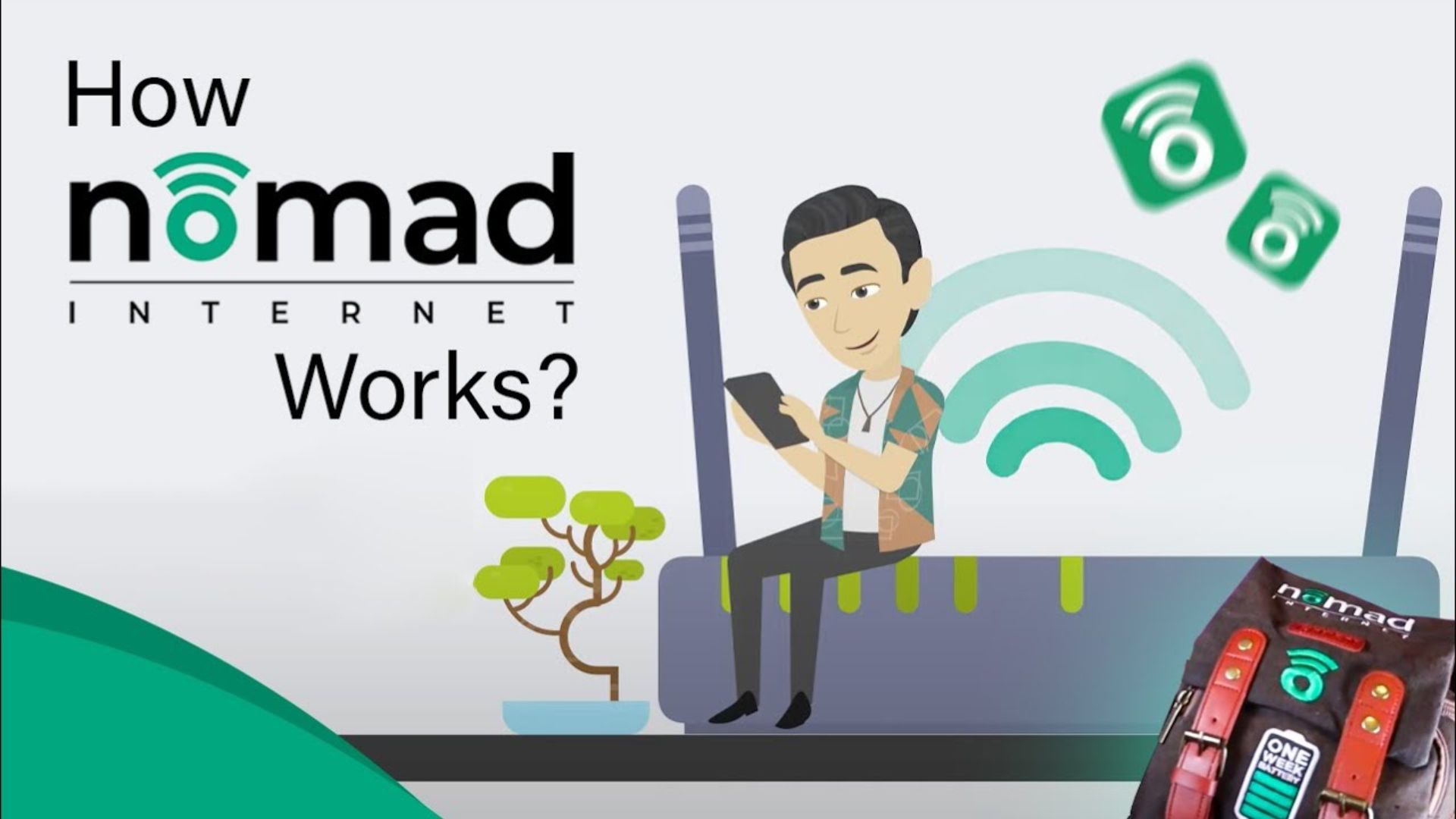
In today’s fast-paced world, the digital nomad lifestyle is becoming more popular than ever. Whether you’re working remotely, traveling, or running a business from the road, having reliable internet access is crucial. But finding internet while on the move can be a challenge. This article will explore everything you need to know about nomad internet, including the best providers, equipment, and strategies for staying connected no matter where you are.
1. What is Nomad Internet?
Nomad internet is a term that refers to the ability to access the internet while constantly on the move. Unlike traditional home-based broadband services, nomad internet allows travelers, digital nomads, and remote workers to stay connected across various locations, be it in remote areas, urban centers, or on the road.
The internet solutions for nomads can vary, from mobile hotspots to satellite internet, depending on the region you’re in and the services available.
2. Why is Reliable Internet Crucial for Digital Nomads?
As more people transition to remote work, the need for consistent, high-quality internet has never been greater. For a digital nomad, reliable internet isn’t just a convenience—it’s essential for productivity. Whether you’re on a Zoom call with clients, uploading important files, or managing projects, having a stable connection makes the difference between success and frustration.
Some of the tasks remote workers need a stable internet connection for include:
- Video calls and meetings
- Sending and receiving large files
- Managing online projects and businesses
- Accessing cloud-based software and tools
3. Top Internet Options for Nomads
When it comes to choosing internet for nomads, there are several options available. Here’s a breakdown of the best choices:
A. Mobile Hotspots
A mobile hotspot is one of the most popular solutions for nomads. It uses a cellular data network to create a Wi-Fi signal that you can connect your devices to. This option works best in countries where mobile data is fast and reliable. Popular providers include:
- Verizon Jetpack (USA)
- Skyroam Solis
- Tep Wireless (Europe)
- Roaming Man (Global)
Mobile hotspots are compact and easy to carry around, but they may have limited coverage in remote areas. They are ideal for city-based nomads but might struggle in rural locations or countries with poor mobile networks.
B. Satellite Internet
For those traveling to more remote locations, satellite internet is a lifeline. This option provides coverage anywhere on the planet, even in areas with no cellular signal. Providers like Starlink have revolutionized satellite internet, making it more affordable and accessible for digital nomads.
Though satellite internet may have slower speeds compared to mobile hotspots, it’s unmatched in its coverage, especially for nomads venturing into isolated locations.
C. Public Wi-Fi
Public Wi-Fi is available in many cafes, co-working spaces, and libraries. While it’s a cost-effective solution, public Wi-Fi comes with its drawbacks:
- Security risks
- Unstable connections
- Limited coverage in rural areas
Using a virtual private network (VPN) is highly recommended when connecting to public Wi-Fi to protect your personal data.
D. Mobile Data Plans
Many countries offer affordable mobile data plans that can be used to create your own hotspot. This is an economical solution for nomads who stay in one place for a longer time. Some providers also offer special international data plans that allow you to use data across different countries.
4. Choosing the Best Provider for Your Nomadic Lifestyle
Choosing the right internet provider is critical for digital nomads. Here are some tips to help you decide:
- Check Coverage Maps: Always check coverage in the regions you plan to visit. Some providers may have great coverage in major cities but poor service in remote areas.
- Data Speeds: Make sure the internet speed is fast enough for your work. Video calls, for example, require a minimum of 3 Mbps for clear streaming, and larger file uploads need even faster speeds.
- Global or Local Providers: If you travel internationally, look for global internet solutions like Skyroam or Tep Wireless, which work across different countries.
- Cost vs. Benefit: Some plans may seem inexpensive upfront but have hidden costs, like high roaming charges. Always read the fine print.
5. How to Optimize Your Nomad Internet Setup
Once you’ve chosen your internet provider, you can optimize your setup for better performance:
- Portable Wi-Fi Router: If you’re traveling to multiple countries, consider investing in a portable Wi-Fi router that supports local SIM cards. This allows you to access local data plans without switching providers each time.
- Signal Boosters: If you’re in an area with weak signal reception, a mobile signal booster can improve internet speeds.
- Power Banks: Ensure you always have a backup power source for your devices, especially in areas with limited access to electrical outlets.
6. Common Challenges Faced by Digital Nomads
While being a digital nomad is rewarding, it does come with its challenges, particularly when it comes to internet access. Some common issues include:
- Connectivity Interruptions: Temporary service disruptions due to network maintenance or storms.
- Data Caps: Some internet plans have strict data limits, and exceeding them can lead to throttled speeds or additional charges.
- Security Concerns: Public networks are more susceptible to hacking and malware, so a VPN is a must.
7. Tips for Staying Secure Online While Traveling
The security of your online activity is paramount when traveling, especially as a digital nomad. To protect your personal and professional data, follow these tips:
- Use VPNs: Always use a VPN when accessing public Wi-Fi to ensure your connection is encrypted.
- Enable Two-Factor Authentication (2FA): Secure your accounts with 2FA, especially for email, banking, and cloud storage.
- Update Software Regularly: Ensure that your devices and software are up to date to protect against vulnerabilities.
8. The Future of Nomad Internet
The future of nomad internet is bright. With advancements in 5G technology, mobile hotspots will offer faster speeds and broader coverage, making it easier for digital nomads to stay connected even in the most remote areas. Satellite internet providers like Starlink are also expected to expand their services, providing more affordable options for nomads who need internet in isolated locations.
Additionally, innovations in AI, augmented reality (AR), and virtual reality (VR) may further shape how digital nomads interact with the internet while on the move.
Conclusion
For digital nomads, having reliable and fast internet is no longer a luxury—it’s a necessity. With the right tools and strategies, you can work from anywhere in the world. Whether you choose a mobile hotspot, satellite internet, or public Wi-Fi, it’s important to plan ahead and select the option that works best for your lifestyle.
As remote work continues to grow, nomad internet will evolve to meet the demands of a mobile workforce. By staying informed about the latest internet solutions and optimizing your setup, you can enjoy the freedom of the digital nomad life without missing a beat.
About the Author