
nit bracket
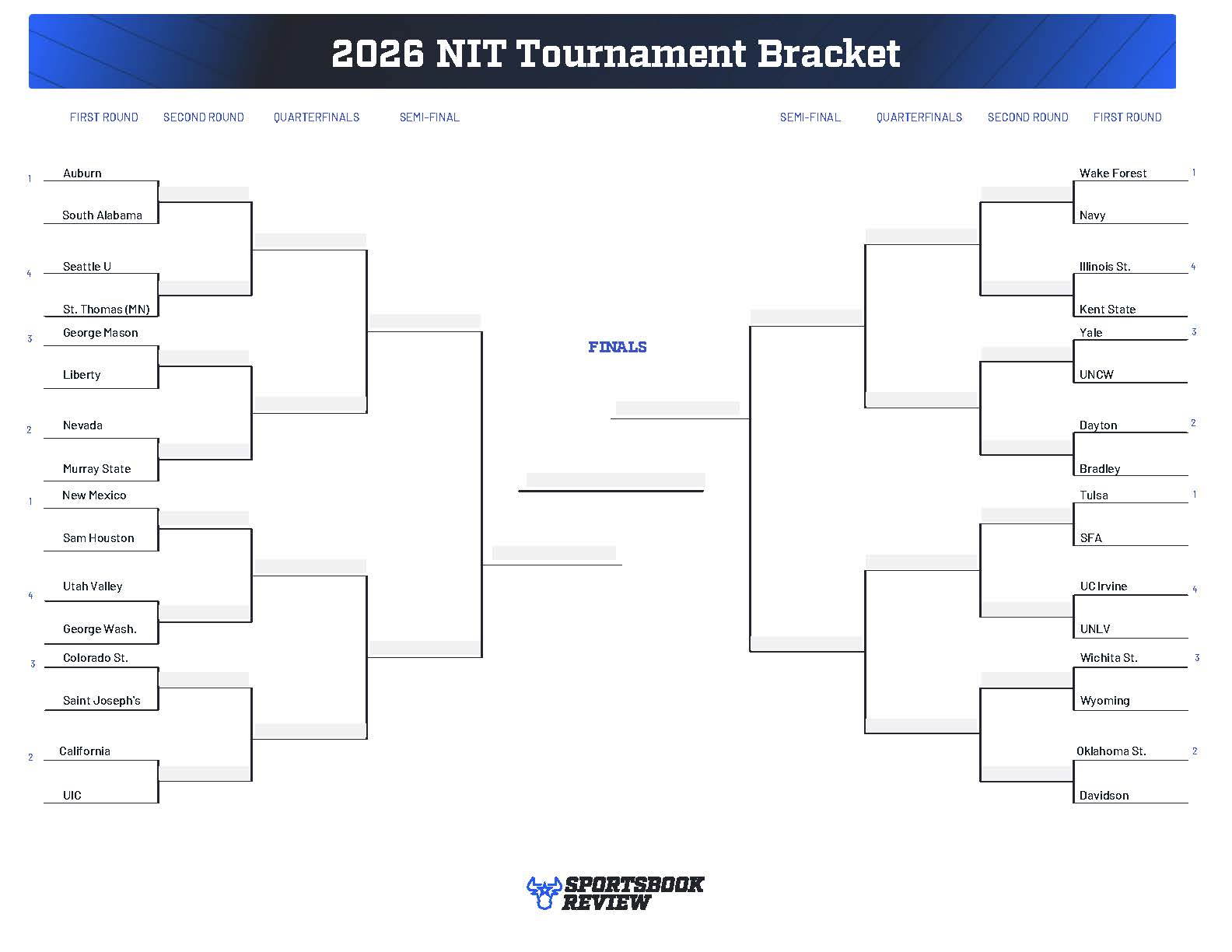
NIT Bracket: The Complete Fan Guide to Teams, Format, Matchups, and Tournament Success
The nit bracket brings fresh energy, strong teams, and thrilling postseason action to college basketball fans across the United States. It is more than a tournament chart. It is a full path filled with pressure, pride, and powerful moments that can reshape how fans view a team. This guide explains every key detail in a simple way, so readers can understand the tournament, follow each round, and enjoy the story behind every game.
NIT Bracket at a Glance
The nit bracket is one of the most exciting parts of the college basketball postseason. While many fans focus only on the biggest tournament in March, the National Invitation Tournament still matters a great deal. It gives high-quality teams another chance to compete, finish with pride, and prove they belong in the spotlight. For fans, it offers meaningful games, dramatic finishes, and exciting matchups that are easy to track and even more fun to predict.
This guide is built for readers who want a clear, engaging, and detailed look at how the tournament works. Whether you are a casual viewer or a serious basketball follower, this page will help you understand the format, team selection, seeding, game strategy, upset potential, and fan experience. The goal is simple. Make the nit bracket easy to follow and enjoyable from the opening game to the final celebration.
| Detail | Information |
|---|---|
| Full Name | National Invitation Tournament |
| Common Search Term | NIT bracket |
| Sport | College basketball |
| Country Focus | United States |
| Season Period | March and early April |
| Format | Single-elimination tournament structure |
| Main Appeal | Competitive games, surprise winners, and strong team storylines |
| Fan Activity | Bracket picks, round tracking, matchup analysis, and upset predictions |
Why Fans Love It
Fans enjoy the nit bracket because it delivers real pressure and real emotion. Teams play with urgency because every game can end a season. That makes each matchup feel meaningful. The event also helps fans discover underrated programs, skilled guards, smart coaches, and rising stars who may not have received national attention earlier in the year.
Why Teams Value It
Teams value this tournament because it offers another major chance to compete. Programs can build confidence, develop younger players, and create momentum for the future. A strong run through the nit bracket can boost school pride, strengthen team identity, and leave fans with a positive final memory of the season.
What Is the NIT Bracket?
The nit bracket is the tournament layout that shows every team, every game path, and every step needed to win the National Invitation Tournament. It acts like a visual map. Each matchup sends one team forward and ends the run for the other. That simple setup creates instant drama. Every round matters, and every possession can shape the next stage of the tournament.
What makes this bracket special is the emotion behind it. Some teams enter with disappointment after missing a larger tournament. Others arrive with fresh motivation and a point to prove. That emotional edge often creates fierce, focused basketball. For fans, the nit bracket becomes more than a chart. It becomes a living story of redemption, grit, pride, and momentum.
How Teams Reach the Tournament
Teams in this event usually come from strong seasons that fell just short of a different postseason destination. Selection often reflects overall record, conference play, strength of schedule, and how well a team performed across the full year. That means many programs in the field are still very good. They simply need one more chance to show their quality on a national stage.
This is one reason the nit bracket stays compelling year after year. The field often includes teams that feel overlooked. That sense of unfinished business can create sharp, determined basketball. A team that believes it was underestimated may play with extra confidence, sharper defense, and stronger late-game focus. Those emotional details matter in postseason competition and often shape the entire bracket.
How the Tournament Format Works
The format is easy to understand, which is one reason fans enjoy following it. The nit bracket uses a single-elimination design. Every team starts with one matchup. Win that game, and the team moves forward. Lose, and the season ends. There are no second chances. This creates instant urgency and gives every round a clear purpose.
The simple format also makes it easier to track momentum. A team that wins one emotional game can carry that energy into the next round. A school with smart coaching and strong guard play can suddenly look very dangerous after just one statement win. As the bracket narrows, every game feels larger. That clear path from opening round to championship gives the event a clean, strong, and easy-to-follow structure.
| Profile Area | Details |
|---|---|
| Audience | USA college basketball fans, sports readers, and bracket followers |
| Best For | Readers who enjoy postseason matchups and team analysis |
| Main Storylines | Upsets, redemption, coaching moves, and rising stars |
| Key Strength | Competitive teams with real motivation |
| Common Talking Points | Seeds, home court, game style, leadership, and late-game execution |
| Fan Focus | Who can win, who can surprise, and which matchup feels strongest |
| Emotional Value | Pride, hope, pressure, and unforgettable finishes |
Why the NIT Still Matters
The tournament still matters because it rewards quality basketball. It gives deserving teams a meaningful stage to keep competing. It also offers younger players a chance to learn what postseason pressure feels like. Coaches value those moments. Players remember them. Fans appreciate them because they get more games with real stakes and real emotion.
The nit bracket matters for another reason too. It keeps the spotlight on programs that may have played strong basketball all season without getting the attention they deserved. A good run here can change public opinion fast. It can also help a program build belief for the next year. That makes this event more than a backup plan. It becomes a valuable part of the college basketball story.
Understanding Seeds and Matchups
Seeding helps organize the field, but it does not tell the full story. Higher-seeded teams are often seen as more consistent or better tested. Lower-seeded teams may still be dangerous, especially if they lost close games, faced a difficult conference schedule, or improved late in the season. That is why smart fans do not stop at the seed line when reading the nit bracket.
Matchups often matter more than numbers. A balanced team with strong rebounding can beat a more famous program that depends too heavily on one scorer. A group with an experienced backcourt can stay calm in tight finishes. A defense-first team can slow down a flashy offense and make the game uncomfortable. The best way to read the bracket is to look deeper than names and rankings.
Home Court Can Shift the Entire Bracket
Home court is one of the biggest factors in this tournament. Players often perform better in familiar gyms, with familiar routines, and with a supportive crowd behind them. That comfort can improve shooting confidence, communication, and energy. Even small details like travel, sleep, and game-day rhythm can shape the result of a postseason game.
When studying the nit bracket, always consider where games are played. A solid team at home can look much stronger than it does on the road. Loud student sections can lift momentum at key moments. Coaches also feel more settled in familiar settings. In close matchups, that comfort can create the difference between advancing and going home.
How Smart Fans Read the Bracket
A smart reading of the nit bracket starts with style of play. Does a team play fast, or does it slow things down? Does it rely on threes, or does it score through smart half-court offense? Can it defend without fouling? Does it handle pressure well? These questions matter because tournament games often turn on discipline and flexibility rather than on regular-season hype.
Another key point is balance. Teams that defend, rebound, and protect the ball tend to survive longer. Guard play is also huge. Veteran guards can calm the offense, hit free throws, and make winning decisions late. Fans who want stronger predictions should track recent form, injury concerns, and emotional momentum. A confident team can become a serious problem in postseason settings.
Common Upset Patterns to Watch
Upsets are a major reason the tournament is so much fun. They often happen when one team embraces the moment and the other carries disappointment into the game. In the nit bracket, motivation can be a game-changing factor. A hungry underdog may defend harder, rebound more aggressively, and stay stronger through tense late possessions.
Fans should watch for a few classic warning signs. Veteran guards, strong road toughness, efficient defense, and excellent coaching can all make lower-seeded teams dangerous. Programs that ended the regular season with confidence can also be more prepared for a surprise run. Upsets are rarely random. They usually come from discipline, composure, and a strong belief that the team belongs on the big stage.
- Veteran guards often control close games with calm decisions and smart shot selection.
- Strong defense travels well and keeps teams competitive even on cold shooting nights.
- Rebounding power can decide games by ending defensive possessions and creating second chances.
- Confident coaching matters in short tournaments where quick adjustments can change everything.
Players Who Shine in This Setting
This event often rewards players who stay calm under pressure. Senior guards are especially valuable because they can control pace, protect the ball, and make smart choices in the final minutes. Strong rebounders also stand out because every missed shot becomes more important in elimination basketball. That is why player roles matter so much when reading the nit bracket.
A single star can lift a team, but a balanced group is often more dangerous over several rounds. Defenses can trap one scorer, but they struggle more against teams with multiple reliable threats. Fans should look for lineups with leadership, poise, and a clear identity. In postseason basketball, trust matters. Teams that know who they are often make the deepest and most memorable runs.
Coaching Strategy in Pressure Moments
Great coaching becomes even more important when every game matters. Tournament settings reward staffs that prepare well, simplify the message, and make quick adjustments. A coach might change defensive coverages, shorten the rotation, or attack a weak defender at just the right time. Those moves can change the entire feel of a game and reshape the path through the nit bracket.
The best coaches also keep their teams calm. They prepare players for late-game situations, free throws, inbounds plays, and clock awareness. That steady approach builds trust. In many close matchups, calm leadership from the sideline becomes one of the biggest hidden advantages. Fans often remember the final shot, but the winning moment is usually built by smart decisions made all game long.
How to Make Better Bracket Picks
If you enjoy making predictions, start by choosing teams with strong guard play and defensive consistency. These traits usually matter more than highlight scoring. A flashy offense can win one game, but reliable teams often move farther. To read the nit bracket well, look at turnovers, rebounding, recent form, and how comfortable a team seems in close games.
It is also wise not to chase too many upsets. A few bold picks can make a bracket exciting, but too much chaos often backfires. Try to build around disciplined teams that can win in different ways. Programs with steady defense, mature leaders, and solid coaching are often the safest foundation. Then add a small number of upset picks based on matchup strength, not just hope or emotion.
What Makes a Team a Real Title Threat
Real title contenders usually share a few clear traits. They defend well, limit mistakes, trust each other, and respond calmly under pressure. They also tend to have at least one player who can create offense when a game gets tight. In the nit bracket, these qualities become more valuable with every round because the pressure grows and the margin for error becomes smaller.
Teams with maturity often stand out because they do not panic after a bad start or a missed shot. They keep defending, keep communicating, and keep playing their style. That emotional stability is powerful. Add strong rebounding and smart free-throw shooting, and you have the type of team that can survive several close games in a row. Those small winning habits often decide the championship path.
Why the Fan Experience Feels Special
The fan experience feels special because the games carry real emotion. Players know every contest could be their last together. Coaches fight for every edge. Crowds bring strong energy. That mix creates honest basketball with urgency in every possession. The nit bracket becomes more enjoyable when fans follow the stories behind the scores and notice the growth teams show from one round to the next.
Many readers and viewers also enjoy this tournament because it helps them discover teams they did not watch all season. One good game can turn a casual observer into a loyal supporter. That kind of connection is part of the event’s charm. It is not just about extra basketball. It is about meaningful games, emotional swings, fresh names, and a strong finish to the college season.
How to Follow the Tournament from Start to Finish
The easiest way to follow the event is to keep a live bracket nearby and update it after each round. Track wins, watch team momentum, and pay attention to how close games affect confidence. In the nit bracket, one emotional win can turn a team into a serious threat. The more closely fans follow those shifts, the more exciting the tournament becomes.
It also helps to focus on the full story, not just on scores. Watch for teams that improve their defense, find a new scoring option, or become stronger under pressure. Compare picks with friends and revisit your predictions after each round. That makes the experience more engaging and gives every game extra meaning. The more attention you give the bracket, the more rewarding it feels.
Frequently Asked Questions
1. What does NIT stand for?
NIT stands for National Invitation Tournament. It is a college basketball postseason event in the United States that gives strong teams another chance to compete in meaningful games.
2. Who plays in the tournament?
Teams that are not selected for a different postseason tournament may still be chosen for this event based on their record, schedule strength, conference performance, and overall season quality.
3. How does the NIT bracket work?
The nit bracket uses a single-elimination format. Each team plays one game per round. Winners advance, and losers are eliminated from the tournament.
4. Why do fans care about this event?
Fans care because the games are competitive, emotional, and often unpredictable. The event creates great storylines, strong matchups, and a final chance for teams to finish their season with pride.
5. Can lower-seeded teams make deep runs?
Yes. Lower-seeded teams often make strong runs when they have veteran guards, disciplined defense, strong rebounding, and a coach who knows how to manage high-pressure moments.
6. What should fans study before making picks?
Smart fans should look at guard play, home court, defense, rebounding, recent momentum, and coaching. These details often matter more than name value alone when reading the nit bracket.
Final Thoughts
The nit bracket is a powerful part of the college basketball postseason because it combines second chances with real pressure. It gives fans more great games to enjoy and gives teams a meaningful stage to prove their strength. From the first matchup to the championship stage, the event delivers pride, urgency, and memorable basketball moments that deserve full attention.
Readers who take time to study the tournament often enjoy it even more. Look at the styles, trust the details, and follow the emotional shifts that happen from round to round. That is where the real story lives. The bracket becomes much more exciting when you see it not just as a chart, but as a journey shaped by confidence, discipline, and belief.