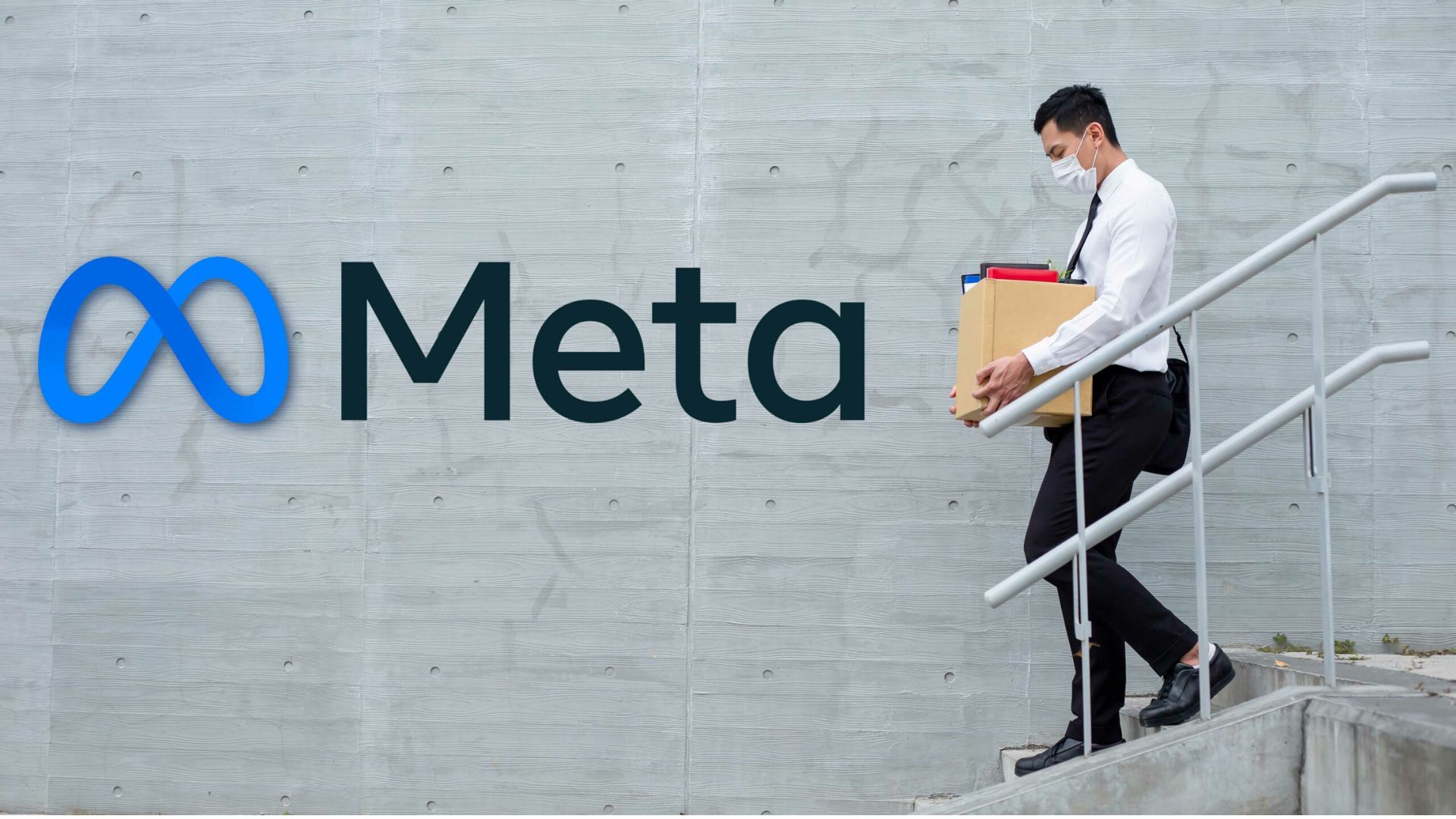
meta layoffs
Meta Layoffs: What Happened, Why It Happened, and What It Means Now
The story of meta layoffs is about more than job cuts. It shows how one of the biggest tech companies in America changed direction under pressure. Readers want clear answers, not noise. They want to know what happened, why it happened, how workers were affected, and what may come next. This guide explains it in plain language with a clean timeline, company profile tables, real context, and simple takeaways that are easy to understand.
Why the story matters
The reason so many people search for meta layoffs is simple. Meta is not a small brand. It owns Facebook, Instagram, WhatsApp, and Messenger. Its products shape how people talk, watch, share, shop, and advertise online. When a company that large cuts thousands of jobs, the effect reaches employees, families, advertisers, creators, investors, and even other tech firms. It becomes a signal for the whole market. People start asking the same hard questions. Is the company shrinking? Is it changing focus? Are more cuts coming? Are tech jobs still safe?
Those questions matter even more in the United States, where Meta has strong brand power, large business influence, and a huge role in digital advertising. Small businesses depend on its ad tools. Content creators depend on its platforms. Job seekers watch hiring trends closely. That is why this topic stays hot. The company remains powerful, but the pressure on large tech firms has changed. Today, leaders care more about speed, efficiency, and AI than they did just a few years ago. That shift sits at the center of the full meta layoffs story.
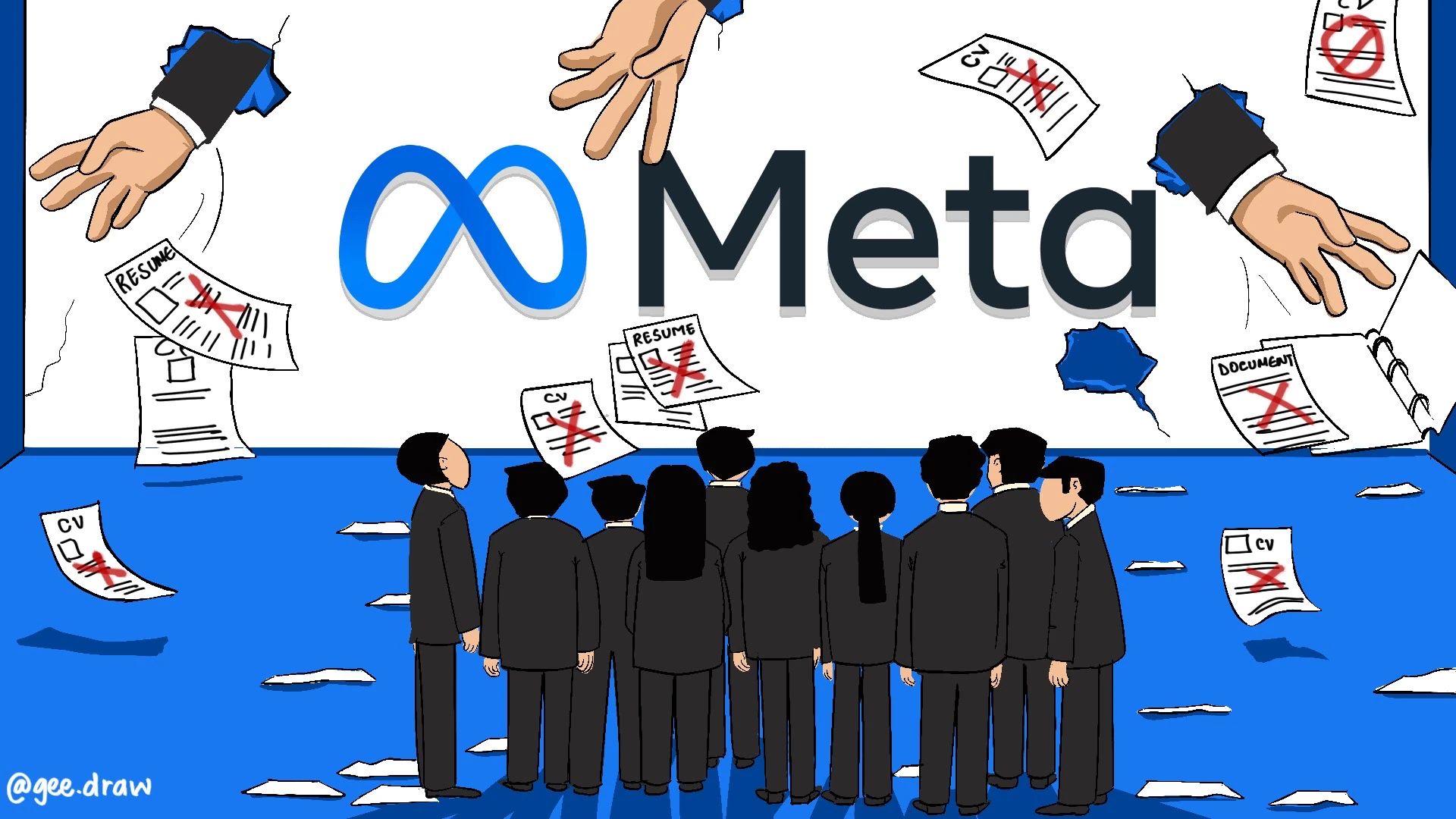
Biography table of Meta
| Item | Details |
|---|---|
| Full Company Name | Meta Platforms, Inc. |
| Former Name | Facebook, Inc. |
| Founder | Mark Zuckerberg |
| Founded | 2004 |
| Rebrand | Meta name adopted in 2021 |
| Headquarters | Menlo Park, California, USA |
| Main Platforms | Facebook, Instagram, WhatsApp, Messenger |
| Focus Areas | Advertising, AI, social media, virtual and mixed reality |
| Public Attention | Workforce changes, AI investment, digital ad growth, platform influence |
Company profile table
| Profile Area | Details |
|---|---|
| Industry | Technology, social media, digital advertising |
| Main Revenue Source | Advertising across its family of apps |
| Core Audience | Consumers, creators, advertisers, brands, developers |
| Business Strength | Massive user reach and strong ad infrastructure |
| Strategic Push | AI tools, infrastructure, engagement, future platforms |
| Risk Areas | High spending, workforce restructuring, changing ad markets |
| Why People Watch It | Meta often sets the tone for wider tech and hiring trends |
The timeline behind meta layoffs
To understand meta layoffs, it helps to start with the timeline. During the strong digital growth years, large tech companies hired quickly. Demand was high. Online activity was rising. Teams expanded across product, recruiting, marketing, and engineering. Then the business climate changed. Costs climbed, ad markets cooled, and investor pressure increased. That forced many firms to rethink size and spending. Meta became one of the clearest examples of that reset.
The biggest public turning point came in late 2022, when Meta announced a huge reduction in staff. That move shocked many workers because the company had long looked like a place built for endless growth. Another major round followed in 2023. Later, the company continued to reshape teams while still showing strong interest in AI roles and long-term infrastructure. So when readers look up meta layoffs, they are really looking at a multi-stage corporate shift, not a single one-day event.
Why Meta started cutting jobs
The first reason behind meta layoffs was overexpansion. During fast-growth years, many tech firms believed digital demand would stay high for a long time. Teams were built for a bigger future. But market conditions changed. Growth slowed. Ad pressure increased. Companies that hired too fast had to adjust. Meta was one of them. This was not only about saving money. It was also about admitting that earlier growth plans were too optimistic for the new market.
The second reason was cost pressure tied to big future bets. Meta continued spending heavily in advanced areas, especially AI and long-term platform development. That created a clear tension. Leadership wanted to invest in the future while also proving the company could run more efficiently in the present. That tension often leads to restructuring. Some roles become less central, while others become more valuable. This is why meta layoffs never felt like a simple cost-cutting story. It was a strategy story, a culture story, and a direction-change story all at once.
Overhiring
Teams grew fast during strong digital demand, then had to shrink when growth slowed.
Efficiency
Leadership wanted leaner teams, faster decisions, and fewer low-priority projects.
AI Investment
Money and attention moved toward AI, infrastructure, and high-priority technical work.
The “year of efficiency” changed everything
One of the most important ideas in the full meta layoffs discussion is the push for efficiency. That phrase mattered because it signaled a deeper change inside the company. It meant the goal was not only to reduce costs for one quarter. The goal was to change how work moved through the business. Flatter teams, fewer layers, smaller groups, and sharper priorities became part of the new message. For many employees, this changed the feeling of daily work even beyond the layoffs themselves.
Smaller teams can move faster, but they can also carry more pressure. That is where the human side becomes important. When job cuts happen, workers often lose trust in long-term stability. Even employees who stay may feel uneasy. They start wondering whether another wave is still ahead. That is one reason searches for meta layoffs do not fade away quickly. The story lasts because the effect lasts. It changes morale, career plans, and how people view one of the biggest employers in the tech world.
How AI fits into the current picture
AI now sits at the heart of many big business decisions, and that includes meta layoffs. As companies invest more in advanced tools, they ask a new question: which teams need more people, and which tasks can be handled faster with better systems? That question does not always mean fewer jobs across the whole company. Sometimes it means a shift. Some roles lose priority while technical and machine learning roles gain more value.
This creates a mixed picture that can confuse readers. A company may cut one group while actively growing another. That is why the current moment feels different from a normal hiring freeze. In the case of meta layoffs, the broader pattern suggests a company trying to stay lean while still spending big on the future. That future includes AI tools, heavy infrastructure, better ad systems, and faster internal execution. So the workforce changes are not random. They connect to a larger effort to reshape the company around what leadership believes will matter most next.
What the job cuts mean for employees
Every report about meta layoffs represents real people, not just numbers on a chart. Losing a job changes daily life fast. Workers may have to update resumes overnight, talk with family about money, search for health coverage options, and rethink career plans with little warning. Even when a company offers support, the emotional shock can be heavy. A layoff can feel personal even when the real reason is structural.
It is also important to say this clearly: a layoff does not prove a person failed. In many cases, it shows that the company changed direction, reduced layers, or moved money into another area. That is why so many people follow meta layoffs closely. They want context that respects the human side. They want to know if the cuts suggest deeper weakness or just a sharp strategy turn. The honest answer is that a strong company can still cut jobs when priorities change. That truth is uncomfortable, but it is real, and it helps explain the long public interest in this story.
How users and advertisers may feel the impact
Many everyday users will not notice meta layoffs right away. The apps still work. People still post, watch, message, and run ads. But changes inside the company can still shape the user experience over time. Product updates may move slower in some areas. Support systems may feel different. Internal priorities may shift toward high-value tools and away from lower-impact projects. That is common when teams get smaller and focus becomes tighter.
For advertisers and business owners in the United States, the question is more practical. Will results stay strong? Will tools improve? In many cases, the company will fight hard to keep ad products effective because advertising remains central to the business. That means meta layoffs do not automatically signal weaker ad performance. In fact, a leaner company may try even harder to improve ad tools, measurement, targeting, and automation. So the impact can be mixed: fewer people in some places, but stronger focus on the systems that drive revenue and business growth.
Is this a warning sign for the wider tech world?
In many ways, yes. Meta layoffs became a symbol of a wider tech reset. The old growth model rewarded fast hiring, big teams, and broad expansion. The newer model rewards discipline, efficiency, and clear return on spending. When a major company changes from one model to the other, the rest of the market pays attention. That is why Meta’s workforce changes matter beyond Meta itself. They help define the new standard for large tech businesses.
At the same time, it would be wrong to treat this as a collapse story. The company still has strong products, huge audience reach, and deep business influence. So the lesson is more precise. Big tech is not gone. It is changing. Roles tied to future systems may gain value. Roles tied to older structures may face more pressure. That is why meta layoffs feel like both a warning and a map. They show where the industry is becoming tougher, and they also show where the next big investment is likely to go.
Lessons job seekers can take from the story
There are useful lessons hidden inside the full meta layoffs story. The first is that strong skills matter more than a famous employer name. A big company can still change direction quickly. Workers who build portable skills often recover faster because they can shift across teams, tools, and industries. Skills in product thinking, data use, communication, AI workflows, operations, and systems work tend to stay valuable even when a company restructures.
The second lesson is emotional. Many people still think a layoff means they were not good enough. That belief is harmful and often false. Large job cuts usually reflect budgeting, timing, or strategy more than personal value. Anyone watching meta layoffs can take one strong idea from it: career security should never depend on one company alone. A visible portfolio, healthy network, steady learning, and flexible mindset create a stronger future than brand loyalty by itself.
What may happen next
Looking ahead, the future of meta layoffs will likely depend on a few major forces. The first is how much the company spends on AI and infrastructure. The second is how fast revenue stays strong. The third is how aggressively leadership wants to simplify teams. If AI investment keeps rising, Meta may continue moving resources toward technical work that supports that vision. If the company sees more gains from smaller teams, further restructuring could remain part of the playbook.
The most balanced reading is this: Meta is still powerful, but power does not remove pressure. It changes how that pressure is managed. The company may continue trimming selected groups while expanding in other high-value roles. That pattern already makes the full meta layoffs narrative more complex than a simple “up” or “down” story. It is really a question of direction. The company is trying to become leaner without giving up its long-term ambitions, and that creates tension that readers, workers, and investors will keep watching.
Key reasons people keep searching for meta layoffs
Search interest remains strong because the topic touches several worlds at once. Workers want career signals. Business owners want market signals. Readers want a clean timeline. Tech watchers want to know whether this is the beginning of another wave or simply part of a longer reset. That mix keeps meta layoffs highly visible. It is not just a company update. It is a window into how modern tech businesses now think about speed, cost, value, and the future of work.
There is also a trust element here. People remember when tech firms looked untouchable. Layoffs changed that image. So each new update feels important because it helps readers judge whether the old growth model is really gone. For that reason, meta layoffs will likely remain a major talking point for a long time, even when the company performs well. The topic now stands for something bigger than one set of staff cuts. It stands for a new chapter in the tech industry.
Simple final takeaway
The clearest way to understand meta layoffs is to see them as part of a large transformation. The company is not fading away. It is refocusing. That means fewer roles in some areas, more pressure on efficiency, and deeper commitment to AI and future systems. For employees, the lesson is to stay adaptable. For advertisers, the lesson is to watch product quality more than headlines. For readers, the key lesson is that major companies can stay strong while still changing shape in dramatic ways.
When you strip away the noise, the story becomes easier to read. Meta layoffs reflect strategy, not just struggle. They reflect a new business mindset, not just a one-time event. And they show how fast the rules can change in modern tech. That is why this topic matters now, and why it will keep mattering as the next phase unfolds.
Frequently asked questions
Meta layoffs refers to the job cuts made by Meta Platforms, the company behind Facebook, Instagram, WhatsApp, and Messenger. The topic usually covers the major cut rounds, the reasons behind them, and the wider business changes taking place inside the company.
The main reasons include rapid hiring during stronger growth periods, pressure to reduce costs, a push for leaner teams, and a desire to shift more resources toward high-priority work such as AI and advanced infrastructure.
No. A company can remain powerful and profitable while still cutting jobs. In this case, the story points more to strategy changes, efficiency goals, and shifting investment priorities than to a simple business collapse.
Most users may not notice an instant change, but staffing moves can affect product updates, support quality, feature rollouts, and how fast some teams can respond to new needs across major platforms.
The biggest lesson is to build flexible, portable skills. Strong communication, technical fluency, system thinking, and adaptability help workers stay resilient even when big companies change direction quickly.
Future workforce changes depend on costs, priorities, revenue strength, and how much value the company believes it can unlock from smaller teams and AI-driven systems. That is why the topic continues to draw so much attention.
About the Author