
lou holtz
Lou Holtz: Biography, Coaching Career, and Lasting Legacy
Lou Holtz is one of the most recognized names in American college football. He was known for clear rules, strong motivation, and a gift for building confident teams. Fans remember his big wins, but many former players remember something deeper: the daily standards. His story is not only about football. It is also about discipline, purpose, and the power of small habits done well.
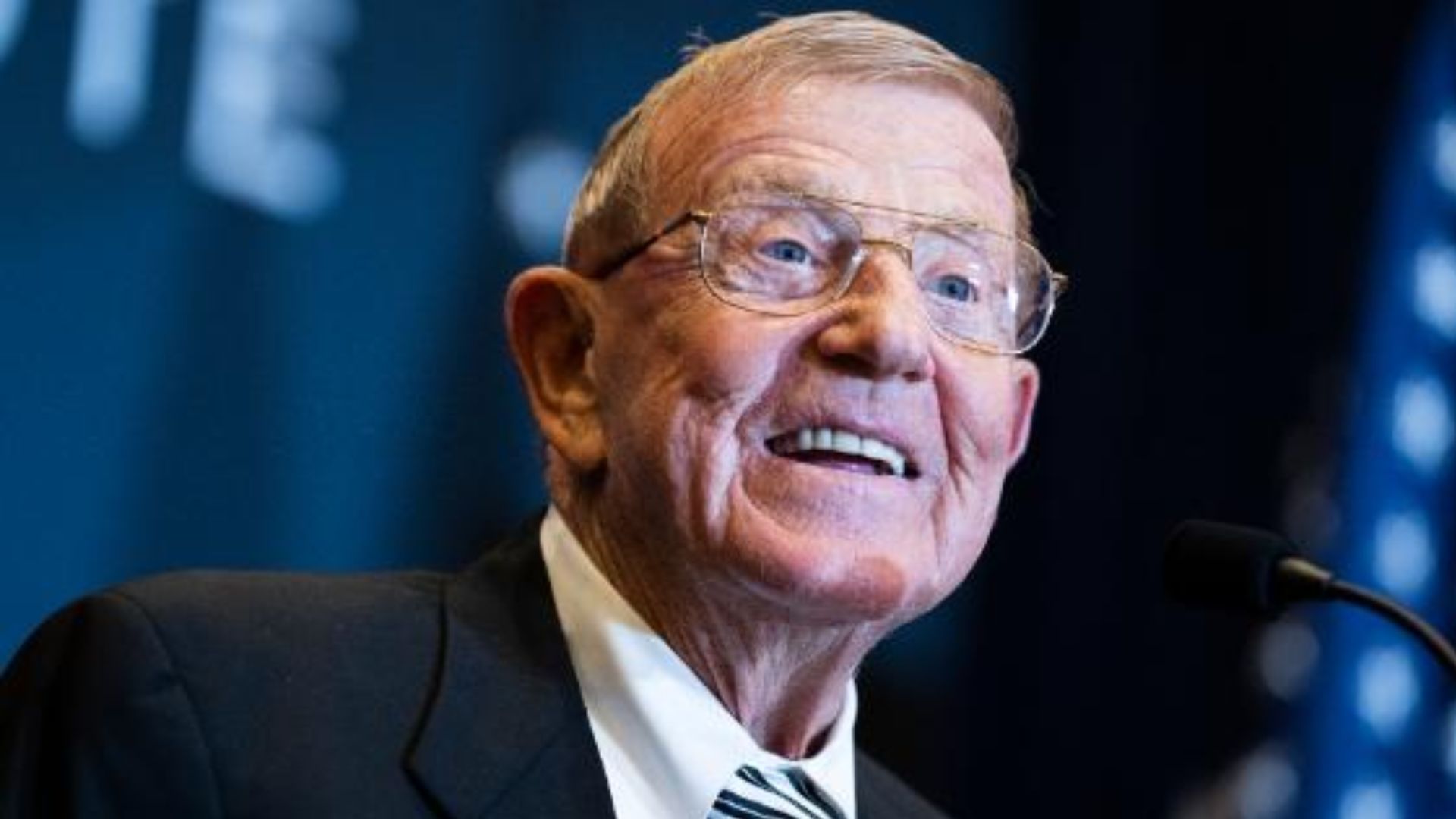
Lou Holtz at a Glance
If you want the fast facts first, these tables give a clean overview. They highlight the key milestones in Lou Holtz’s life, plus a clear profile snapshot of his coaching identity. The details below help you understand why so many people still mention Lou Holtz when they talk about leadership and winning culture.
Biography Table
| Detail | Information |
|---|---|
| Full Name | Louis Leo Holtz |
| Born | January 6, 1937 |
| Birthplace | Follansbee, West Virginia, USA |
| Known For | Elite college football coaching and leadership mindset |
| Signature Program | Notre Dame (National title season in 1988) |
| Coaching Style | Discipline, routine, high standards, confidence-building |
| Legacy | Program builder, motivator, and widely quoted leadership voice |
Profile Table
| Category | Profile |
|---|---|
| Main Role | College football head coach, TV analyst, and motivational speaker |
| Core Strength | Rebuilding teams through culture, focus, and belief |
| Leadership Focus | Accountability, preparation, team-first identity |
| What Fans Remember | Big wins, strong quotes, and never lowering the standard |
| What Players Remember | Clear expectations, strong motivation, and life lessons |
| Best Known Era | Notre Dame championship era and national spotlight |
Early Life: The Start of the Lou Holtz Story
Every famous career begins somewhere simple. Lou Holtz grew up in a working-class environment that shaped his mindset. He learned early that effort matters and that respect is earned. Those lessons stayed with him. Later, when Lou Holtz spoke about leadership, he often returned to basic ideas: show up, do your job, and keep improving. It sounds simple, but that is exactly why it works. Small habits repeat, and repeated habits become identity. When you look at Lou Holtz’s career, you can see that pattern everywhere.
Lou Holtz also understood pressure early. Life does not always feel fair, and sports can be the same way. A team can work hard and still lose. Lou Holtz did not treat that as a reason to quit. He treated it as a reason to learn faster. That is the mindset that helped Lou Holtz survive difficult seasons and still come back strong. If you want one theme in his biography, it is persistence.
College Years: Learning the Game and the People
Before Lou Holtz became a coach, he was a player. Playing helps a future coach understand real team life. Players feel fear, excitement, anger, and doubt. Coaches who understand that can speak in a way that connects. Lou Holtz learned how locker rooms work, how confidence rises, and how confidence collapses. He also learned how important it is to keep people together when emotions run hot. That skill later became a huge part of the Lou Holtz identity on the sideline.
Lou Holtz became known for direct communication. He could be funny, but he could also be firm. In his view, teams do not need confusion. They need clarity. If a player knows the standard, then the player has a target. If the standard is unclear, the player drifts. Lou Holtz built his coaching approach around clear targets and daily repetition. Over time, those daily details created strong game-day performance.
Early Coaching Career: Building the Foundation
Many people only remember the Notre Dame chapter, but Lou Holtz built his skill long before that. Early coaching jobs are where a coach learns the craft. You learn recruiting, player development, practice planning, and how to manage staff. Lou Holtz took those years seriously. He studied what worked and what failed. He learned that a team does not magically become disciplined on Saturdays. Discipline is created on Mondays, Tuesdays, and Wednesdays. Lou Holtz did not wait for success. He built it.
Another major lesson from this stage is that leadership is not a speech. It is structure. Lou Holtz created structure through meetings, practice tempo, and strong accountability. He also believed in motivating people with purpose. Players are not machines. They need belief. Lou Holtz worked hard to create belief through achievable goals, clean routines, and repeated reminders of what the team stood for.
Program Builder Reputation: Why Lou Holtz Stood Out
Over time, Lou Holtz became known as a program builder. That means he could enter a tough situation and make it better. Not every coach can do that. Some coaches do well only when the system is already strong. Lou Holtz often stepped into programs that needed a reset. Then he rebuilt the culture. He focused on simple wins first: better practice habits, better discipline, better effort. Those changes sound small, but they stack quickly.
Lou Holtz also understood that fans and players need hope. Hope is not fake hype. Hope is a plan people trust. When a team sees a plan, effort grows. When effort grows, results improve. Lou Holtz used that cycle again and again. He was not perfect, but his pattern was clear. Build trust, build standards, then build wins. That is why the name Lou Holtz still shows up in conversations about rebuilds today.
Notre Dame Era: The Chapter That Defined a Legacy
When Lou Holtz arrived at Notre Dame, expectations were massive. Notre Dame is not just a school with a team. It is a national brand. Every win and every loss becomes a headline. Lou Holtz embraced that pressure and treated it like fuel. He focused on controlling what he could control. That approach helped his team play with confidence. Over time, Lou Holtz led Notre Dame back toward the top of college football.
A big reason fans remember Lou Holtz is because he brought identity back. Notre Dame teams under Lou Holtz were known for toughness, discipline, and belief. He made preparation feel special. He made practice feel like a promise. When players take practice seriously, games become easier. Lou Holtz pushed that principle every day. He made the team’s culture the star, not just the talent.
The 1988 Championship Season: Why It Still Feels Powerful
The year that many fans connect with Lou Holtz most is 1988. That season has a special place in college football history. Notre Dame went undefeated and earned the national title. For fans, it was joy. For players, it was proof that daily standards work. For Lou Holtz, it became a signature moment. It showed that his approach was not just motivational talk. It was a working system.
Championship seasons are not only about talent. They are also about handling stress. One bad week can end a title dream. Lou Holtz kept his team focused on the next step, not the final trophy. That mindset reduces fear. It keeps energy stable. It keeps the team united. Many people still point to that season when describing why Lou Holtz became a true coaching icon in the United States.
Coaching Philosophy: Simple Rules With Strong Results
Lou Holtz believed in clear rules. If you show up late, it matters. If you skip details, it matters. If you disrespect the team, it matters. These rules create safety because players know what is expected. Lou Holtz also believed in being honest. He did not sugarcoat effort. He did not hide from hard conversations. That honesty helped players grow faster. It also helped teams avoid confusion and drama.
He also focused on confidence. Lou Holtz often treated confidence like a skill. You can build it through small wins. You can lose it through laziness. This is why his teams practiced with intensity. He wanted players to feel prepared. Prepared people perform better. That is true in sports and in life. Lou Holtz is often quoted because his ideas stay practical. They are simple, but they hit deep.
Life After Coaching: Media, Speaking, and Public Impact
After leaving the sidelines, Lou Holtz stayed in the public eye. Many fans saw him as a TV analyst who could explain football in plain language. He brought energy and personality to broadcasts. He also became a popular speaker. People wanted to hear his lessons because they felt real. Lou Holtz did not talk like a textbook. He talked like a coach who had lived through wins, losses, and pressure.
This is an important part of the Lou Holtz biography because it shows range. Some coaches fade away when they retire. Lou Holtz stayed connected to people. His messages were not only for athletes. They were for students, workers, leaders, and everyday families. He spoke about attitude, honesty, and daily discipline. These themes helped him become a leadership symbol, not just a sports name.
Lou Holtz Leadership Lessons You Can Use Today
Many people search “Lou Holtz” because they want lessons, not just stats. One lesson is consistency. A great week is nice, but consistent weeks are powerful. Another lesson is accountability. Lou Holtz pushed players to own their choices. If you want a better life, you start by owning your actions. That idea sounds serious, but it is also freeing. You can’t control everything, but you can control your effort.
A third lesson is team mindset. Lou Holtz taught that strong teams protect each other. They communicate. They solve problems. They don’t hide. In everyday life, this is the same. Strong families communicate. Strong work teams communicate. Strong friendships communicate. Lou Holtz often reminded people that character shows under pressure. If you want better results, start improving your habits before pressure arrives.
Common Misunderstandings About Lou Holtz
Some people think Lou Holtz was only about strict rules. That is not the full story. Yes, he believed in strong discipline. But he also believed in teaching. He wanted players to grow. Another misunderstanding is that his success came from speeches. Speeches can help, but the deeper force was daily structure. He built systems that kept people focused even when emotions ran high. That is why his culture lasted.
Another misunderstanding is that his leadership style only fits sports. In reality, many Lou Holtz ideas fit real life. Show up early. Prepare. Be honest. Respect the team. Keep improving. These are universal standards. If you apply them at school, work, or business, you will often see improvement. Lou Holtz is remembered because he made winning feel connected to values, not just talent.
Timeline Table: Key Moments in the Lou Holtz Journey
This timeline gives you a clean view of the Lou Holtz journey. It is written in an easy, fast format so readers can understand the flow of his career. The purpose is not to overwhelm you. It is to help you see how long-term success is built over time. Most legends are not created in one day. They are built through many seasons of steady growth and tough decisions.
| Period | Key Focus | Why It Matters |
|---|---|---|
| Early Life | Discipline and resilience | Built the mindset that shaped his coaching voice |
| Playing Years | Team experience and pressure | Helped him connect with players in real ways |
| Early Coaching | Learning systems and standards | Created the foundation of his program-building style |
| Program Building | Culture, recruiting, and consistency | Proved he could lift teams through structure |
| Notre Dame Peak | Championship-level execution | Turned his philosophy into national success |
| Later Career | Leadership message to wider audiences | Expanded impact beyond the football field |
FAQs About Lou Holtz
Who is Lou Holtz?
Lou Holtz is a legendary American college football coach known for building strong team culture and leading teams with clear discipline. Many fans connect him with Notre Dame and his championship era.
Why is Lou Holtz famous in college football?
Lou Holtz is famous because he rebuilt programs, won big games, and became known for leadership lessons that players remembered long after football ended.
What is Lou Holtz best known for?
Lou Holtz is best known for his Notre Dame era and for creating teams that played with confidence, discipline, and a clear identity.
What leadership lessons are linked to Lou Holtz?
Lou Holtz is linked to lessons like accountability, preparation, teamwork, and consistent habits. His message often focused on doing the basics well every day.
Did Lou Holtz only impact sports?
No. Many people follow Lou Holtz for mindset and leadership ideas that apply to school, work, and life. His principles are simple, practical, and easy to repeat.
Why do people still read about Lou Holtz today?
People still read about Lou Holtz because his story is about building belief through discipline. It is inspiring, easy to understand, and packed with lessons that still fit modern life.
Conclusion: Why Lou Holtz Still Matters
Lou Holtz is remembered because his story feels bigger than football. He showed that strong standards can lift a team. He showed that confidence can be trained. He showed that discipline is not punishment. It is a path to freedom and growth. That is why the Lou Holtz biography still attracts readers in the United States. People want examples of leadership that feels real, not fake. They want lessons that work in everyday life.
If you want to take something from Lou Holtz, start with one small habit. Show up early. Prepare better. Encourage the people around you. Keep your promises. When you repeat these steps, your results often change. This is the heart of the Lou Holtz legacy: small actions done with pride.
Tip: This page is designed to load fast and look premium on mobile and desktop.
About the Author