
kid rock
Kid Rock Biography: Life, Songs, Career, and Legacy
Kid Rock built one of the boldest careers in modern American music. He mixed rap, rock, country, and raw attitude into a sound that felt loud, familiar, and unforgettable. His story stands out because it never followed a simple path. He came from Michigan, worked through local scenes, faced slow early years, and then turned that grind into a career that reached millions of listeners across the United States. Some fans love the rebel edge. Others love the emotional songs, the live energy, or the powerful summer anthems. What keeps people interested is the same thing that made him famous in the first place. He sounds like himself. That quality helped Kid Rock move through changing music eras while still staying visible, recognizable, and deeply tied to everyday American culture.
The appeal of Kid Rock comes from more than hit records. His journey feels personal, rough, and earned. He did not appear overnight with a perfect image and a polished plan. He built his voice in real places, around real crowds, and with a style that pulled from many worlds at once. That gives his career a grounded feel. Fans can hear a little grit, a little freedom, and a little memory in almost every era of his music. He became a symbol of confidence, motion, and reinvention, which is why his name still draws strong attention today.
What makes Kid Rock different is his refusal to stay in one box. He can sound rebellious on one track, reflective on the next, and loose and nostalgic after that. That range made him more than a one-season artist. He became the kind of performer who could connect with different ages, different moods, and different parts of the country at the same time. His catalog feels big because it speaks to motion, memories, and the energy of life itself.
Quick Profile of Kid Rock
This profile gives a clear view of the person behind the stage name. It helps new readers understand the basics fast while still fitting the premium style of the page. Kid Rock has stayed relevant because his identity feels strong and easy to remember. His real name, birthplace, music styles, and standout songs all show how broad his career has become. The table below keeps those details clean, stylish, and easy to scan on every device.
| Profile Detail | Information |
|---|---|
| Real Name | Robert James Ritchie |
| Stage Name | Kid Rock |
| Birth Date | January 17, 1971 |
| Birthplace | Romeo, Michigan, United States |
| Profession | Singer, songwriter, rapper, musician, performer |
| Main Styles | Rock, rap, hip-hop, country rock, Southern-influenced crossover |
| Years Active | Late 1980s to present |
| Breakthrough Album | Devil Without a Cause |
| Known For | Genre blending, live energy, anthem-style songs, bold stage image |
Biography Timeline
A long career becomes easier to understand when it is shown as a timeline. The path of Kid Rock was not a straight line, which is exactly what makes it interesting. He spent years learning, experimenting, and shaping the sound that later made him famous. This table gives a sharp overview of the key moments that pushed his life and music forward. It shows how local beginnings slowly grew into national impact.
| Year or Era | Key Moment |
|---|---|
| 1971 | Born in Romeo, Michigan |
| 1980s | Got involved in hip-hop culture, DJing, breakdancing, and local performance |
| 1990 | Released debut album and began building name recognition |
| 1993–1996 | Expanded his style with more releases and a stronger underground identity |
| 1998 | Released Devil Without a Cause and reached major mainstream success |
| 2001–2003 | Broadened his audience with stronger crossover appeal |
| 2007–2010 | Delivered more anthems and strengthened arena-level popularity |
| 2012–Present | Continued releasing music, performing, and shaping a lasting public identity |
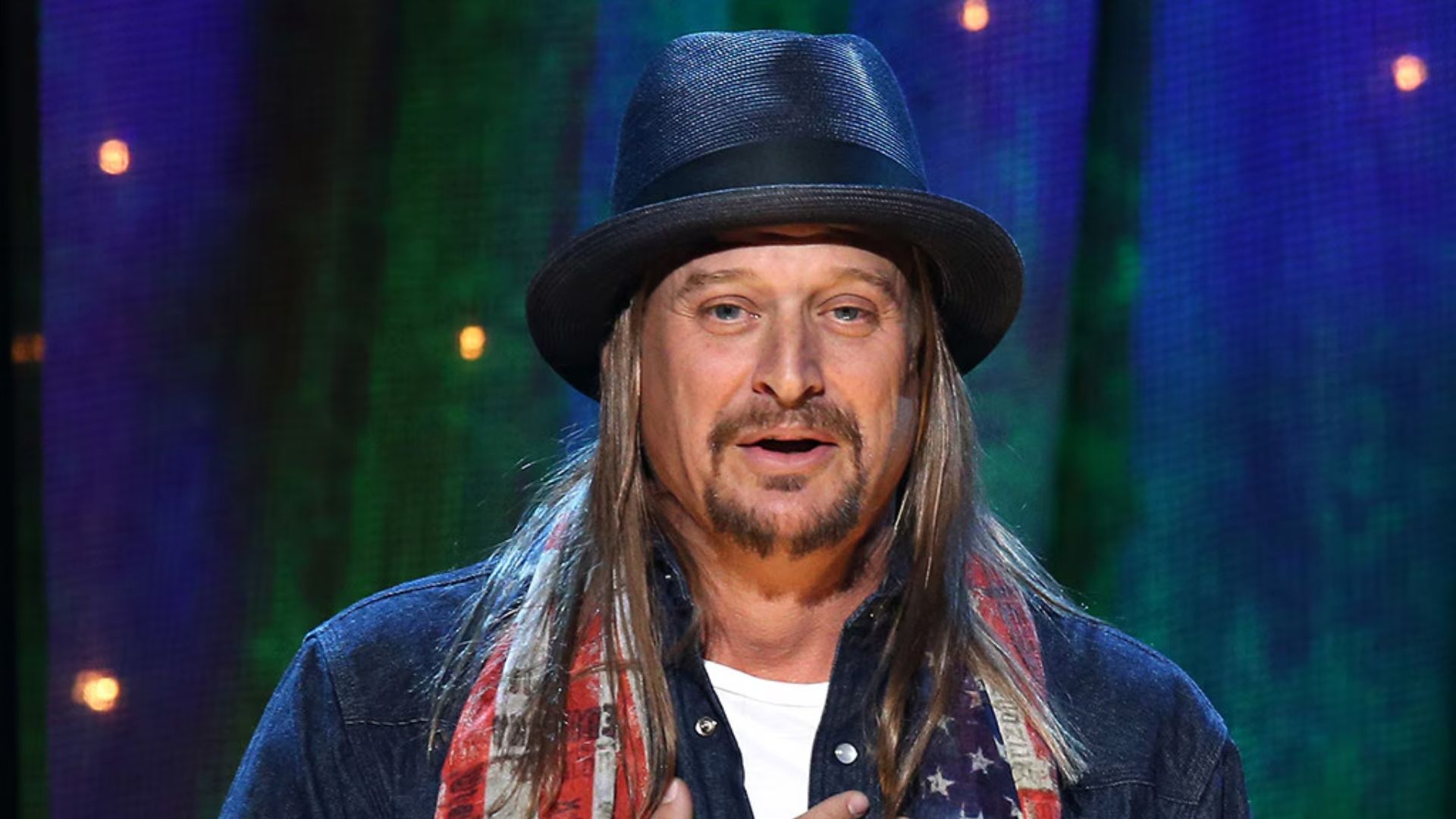
How Kid Rock Grew Up and Found His Voice
Kid Rock grew up in Michigan, and those roots still shape the way people talk about him today. His background matters because it helps explain the mix inside his music. He was not formed by one world alone. He picked up influences from small-town life, regional culture, and the stronger pulse of nearby Detroit music scenes. As a young performer, he became interested in hip-hop, DJing, and breakdancing, which gave him rhythm, movement, and crowd instinct early on. Those first experiences did more than teach him how to perform. They taught him how to hold attention, how to project confidence, and how to build identity through sound.
That blend of influences later helped Kid Rock become a crossover artist without sounding forced. He could step into rap, lean into rock, and then slide into country-flavored storytelling because his foundation was never narrow. He had already lived inside a mixed creative world. That gave him a style that felt rough around the edges in the best possible way. Many artists chase a unique sound after success arrives. He built it before the biggest spotlight found him. That early mix of instinct and experimentation became one of the strongest parts of his long-term appeal.
First Steps in Music and the Slow Build Before Fame
Before the huge records and giant crowds, Kid Rock spent years pushing through a slower phase that shaped his career. He started as a rapper and performer with clear ambition, but his early years were not built on instant fame. He released music, developed stage confidence, and kept experimenting with sound while many people still did not know his name. Those years mattered because they gave him something stronger than quick attention. They gave him craft. He learned how to present himself, how to sharpen hooks, and how to make his personality part of the music.
That early period also explains why Kid Rock later felt different from artists who arrived fully packaged. His growth happened in public stages, not behind closed doors. Listeners could hear the movement in his records. They could hear him trying ideas, stretching across genres, and searching for the sound that fit him best. That makes the breakthrough more impressive. It did not come from luck alone. It came from repetition, risk, patience, and belief. When big success finally arrived, it felt earned because it truly was.
The Breakthrough That Changed Everything
The real turning point for Kid Rock came when his music finally connected on a larger national level. That moment changed the pace of everything around him. Suddenly, the sound he had been building for years no longer felt regional or underground. It felt huge. The breakthrough worked because it captured attitude, swagger, melody, and motion all at once. It gave fans songs they could shout, drive to, and remember after one listen. That kind of impact is rare. Plenty of artists release strong albums. Far fewer release work that changes how the public sees them overnight.
Once that door opened, Kid Rock stopped looking like an artist still trying to arrive. He looked like a force already in motion. His image became clearer. His brand became sharper. His voice became easier for the public to recognize. More importantly, his breakthrough created room for the many sides of his sound. He could go big, loud, emotional, or reflective and still feel connected to the same identity. That is one reason his rise had staying power instead of fading after a single wave of attention.
What Makes the Sound of Kid Rock Unique
The easiest way to understand Kid Rock is to stop trying to fit him into one label. His music has never belonged to a single box. He can blend rap rhythm, rock drive, country flavor, and a relaxed Southern edge in a way that still sounds natural. That flexibility helped him stand out in crowded eras when many artists sounded too similar to each other. His songs often feel built for movement. Some are loud and rebellious. Some feel reflective and honest. Some are playful, wide-open, and tied to road-trip energy.
That range is not random. It works because Kid Rock keeps a strong center. No matter how the style shifts, the personality still feels the same. The listener can hear confidence, grit, and direct emotion in the delivery. That consistent core holds the catalog together. It also explains why his music could reach different listeners at once. A rock fan could find edge. A country fan could find storytelling. A rap listener could hear rhythm and swagger. When one artist can create that kind of overlap, the result feels bigger than a trend. It feels lasting.
Major Songs, Albums, and Career Highlights
Some performers become known for one huge moment. Kid Rock built something wider. His name stays active because the catalog includes high-energy tracks, emotional songs, crossover hits, and crowd-friendly favorites. The list below gives a polished look at the songs and eras that helped shape his public identity and lasting popularity.
| Song or Album | Why It Matters |
|---|---|
| Bawitdaba | Explosive energy and one of the defining songs of his image |
| Cowboy | Helped lock in the outlaw feel that many listeners still connect with him |
| Only God Knows Why | Showed emotional range and a more vulnerable side |
| Picture | Expanded his reach and connected with a broader audience |
| All Summer Long | Became a memory-driven anthem with wide mainstream appeal |
| Born Free | Added another large, open-road style anthem to his catalog |
| Devil Without a Cause | The project that turned momentum into major success |
| Rock n Roll Jesus | Helped prove his staying power in a changing music landscape |
Why His Music Connects So Strongly With American Listeners
A big reason Kid Rock connects so well is that his music feels direct. He does not hide behind complicated language or distant emotion. He goes for big feeling, strong rhythm, and simple lines that land fast. That matters because listeners often remember what feels immediate. They remember the song that sounds like a memory, a summer night, a road trip, a heartbreak, or a loud celebration with friends. His songs often live inside those spaces. They speak in a way that feels close to real life.
That simple but vivid style gave Kid Rock broad appeal across the United States. He could sound like the party, the story, and the afterthought all at once. Some of his music feels built for motion. Other songs feel built for reflection. Together, they create a full emotional range that listeners can return to in different seasons of life. That is why his catalog still gets attention years after the first breakout era. The songs are not only catchy. They are easy to attach to personal moments.
Live Shows, Stage Presence, and Crowd Energy
Some artists sound good on records but feel smaller in front of a crowd. Kid Rock built his reputation in the opposite direction. Stage energy has always been one of the strongest parts of his career. He performs with the confidence of someone who understands that people do not just want songs. They want moments. They want a show that feels alive from the first minute to the last. That live instinct helped turn casual interest into stronger fan loyalty over time.
His performance style also fits the rest of his public identity. It is bold, physical, direct, and designed to keep people engaged. That matters in a career with many eras because a strong live presence gives the audience a reason to stay connected even when music trends move in new directions. Kid Rock has used performance as a bridge between albums, singles, and public image. The result is a career that feels larger than studio recordings alone. He became a full-event performer, not just a recording artist.
The lasting power of Kid Rock comes from a simple truth: when a performer sounds fearless, feels real, and gives people songs they can live inside, the connection lasts longer than a trend.
Personal Image and Public Identity
Public image has always been a major part of the story around Kid Rock. He became more than a musician because people could describe his identity in a few words right away. Bold. Loud. Unfiltered. That kind of clarity matters in entertainment. It helps a name stick. It also creates stronger reactions, which can keep public interest high over long periods. Whether people came for the songs, the attitude, or the image, they almost always knew what kind of presence he brought into a room.
What makes that image powerful is that it rarely feels empty. The personality connects back to the music. The confidence in the records matches the confidence on stage. The rough edges in the voice match the rough edges in the brand. That alignment helped Kid Rock stay visible. In a crowded entertainment world, a clear identity is one of the most valuable things an artist can have. He built one that felt unmistakable, and that helped his name remain relevant far beyond a single era of popular music.
Business Moves, Broader Reach, and Lasting Influence
Long careers do not survive on music alone. They also depend on smart choices, brand awareness, and a public presence that can stretch beyond the latest album. Kid Rock understood how to turn personality into a larger platform. He built a recognizable image, kept his catalog active in public conversation, and remained part of American entertainment culture in ways that reached beyond simple chart success. That broader reach gave him durability. It let the name keep moving even when the market around him changed.
His influence also shows up in how later audiences think about genre blending. Today, mixing sounds feels common. Years ago, doing it with that much confidence and mainstream visibility felt more disruptive. Kid Rock helped show that a performer could borrow from rap, rock, and country without losing a strong center. That idea opened creative space for other artists, even if they followed very different paths. In that sense, his career matters not only because of what he sold or performed, but because of what he proved was possible.
Why the Story of Kid Rock Still Matters Today
The story of Kid Rock still matters because it says something bigger about American music and public culture. He came from a specific place, pulled from different traditions, and turned those parts into a sound that millions could recognize fast. That kind of identity is rare. It cannot be copied easily because it depends on timing, personality, and instinct all working together. He became the kind of artist people remember even when they disagree about different eras of his career.
What lasts is the imprint. Kid Rock left behind songs tied to memory, movement, and bold self-expression. He proved that an artist does not need to stay neat to stay important. Sometimes the strongest careers come from contrast. Loud and emotional. rebellious and reflective. familiar and unpredictable. That tension is part of what keeps his biography interesting. It is also why people continue to search for the man, the music, and the larger meaning behind a career that never looked ordinary.
Frequently Asked Questions About Kid Rock
What is Kid Rock’s real name?
Kid Rock was born Robert James Ritchie. That full name appears often in public discussions about his early life, his Michigan roots, and the path that later turned him into a nationally recognized performer.
Where is Kid Rock from?
He is from Romeo, Michigan. That background matters because it helped shape the mix of small-town energy, regional pride, and broader cultural influence that many listeners hear in the music and the image of Kid Rock.
What kind of music does Kid Rock make?
Kid Rock blends rock, rap, hip-hop, and country-flavored elements. That cross-genre style is one of the biggest reasons he stands apart from more traditional artists who stay in one clear musical lane.
Which songs made Kid Rock famous?
Some of the most widely known songs connected to Kid Rock include “Bawitdaba,” “Cowboy,” “Only God Knows Why,” “Picture,” “All Summer Long,” and “Born Free.” Each one helped show a different side of his wider sound.
Why do fans still care about Kid Rock?
People still follow Kid Rock because his music feels tied to real moods and real memories. His songs can sound rebellious, emotional, nostalgic, or celebratory, which gives listeners many reasons to revisit the catalog across different stages of life.
What makes Kid Rock different from other artists?
The difference is not only the genre mix. It is the force of personality behind it. Kid Rock built a voice and image that feel instantly recognizable. That kind of clarity makes an artist easier to remember and harder to replace.
Conclusion
Kid Rock built a career that never felt small, safe, or ordinary. He came from Michigan, learned from different musical worlds, and turned those influences into a public identity that millions could recognize at once. His catalog carries energy, memory, attitude, and emotional reach. His stage presence made him feel larger than the average recording artist. His genre mix helped him connect with very different listeners without losing the center of who he was.
That is why the name still matters. Kid Rock represents a kind of American music journey that feels raw, confident, and deeply tied to personal expression. Whether someone arrives through the biggest hits, the biography, or the wider career story, the same idea keeps coming back. He created a lane that felt fully his own. That is hard to do, and even harder to maintain over time. His legacy remains strong because the voice, image, and story still leave a mark.
About the Author