bad bunny
Bad Bunny: Biography, Career Highlights, Albums, Tours, and Cultural Impact
Bad Bunny is one of the most influential Puerto Rican artists of his generation. This page covers his early life, rise to fame, signature sound, major album eras, live shows, style, and why U.S. audiences keep him on repeat.
Why Bad Bunny Keeps Winning New Fans in the United States
Bad Bunny is not famous only because of catchy hooks. He became a big name because his music feels personal and bold at the same time. He can drop a party track that lights up a room, then switch to a song that feels like a late-night truth. That emotional range is a big reason people keep listening. Fans don’t feel like they’re hearing a “perfect” character. They feel like they’re hearing a real voice. That honesty creates trust, and trust turns casual listeners into long-term fans.
In the U.S., his rise also shows something bigger. Spanish-language music is no longer treated like a small corner. Bad Bunny helped push it into the center of the culture. You can hear his influence in playlists, club sets, sports arenas, and social media trends. He didn’t change his identity to match the market. He made the market respect his identity. That’s why his story is worth reading like a full journey, not just a list of songs.
Bad Bunny Biography Table
| Topic | Details |
|---|---|
| Full Name | Benito Antonio Martínez Ocasio |
| Stage Name | Bad Bunny |
| Born | March 10, 1994 |
| Birthplace | Bayamón, Puerto Rico |
| Raised In | Vega Baja, Puerto Rico |
| Known For | Reggaeton and Latin trap hits, era-based albums, huge tours, bold visuals |
| Main Strength | Strong personality, memorable hooks, and fearless experimentation |
| Why He Stands Out | He keeps Puerto Rican identity visible while dominating global streaming |
Bad Bunny Profile Table
| Profile Item | Info |
|---|---|
| Nationality | Puerto Rican |
| Genre | Reggaeton, Latin trap, Latin pop (with experimental blends) |
| Languages | Primarily Spanish (with occasional bilingual moments) |
| Audience | Strong U.S. fanbase across Spanish-speaking, bilingual, and global-streaming listeners |
| Known For | Bold fashion, strong visuals, album “eras,” arena-level tours |
| Public Image | Confident, creative, unpredictable, and emotionally honest |
Tables stay responsive on mobile. Scroll inside table if needed.
Early Life: The Roots Behind Bad Bunny’s Voice
Bad Bunny grew up in Puerto Rico where music is a daily language. That background shaped his ear early. It also shaped his confidence. His songs often feel like real conversation, not a scripted performance. Fans connect with that style because it sounds honest. In the beginning, he wasn’t seen as a “perfect pop product.” He sounded like someone speaking his truth with rhythm. That raw tone became a signature. It’s one reason his music crosses language lines so easily.
His rise also shows how much online momentum can change a life. When people started sharing his tracks, he didn’t hesitate. He built consistency. He stayed bold. He leaned into the sound he loved instead of copying an older formula. In the U.S., that approach made him feel refreshing. Listeners could tell he wasn’t chasing approval. He was building a world, and people wanted to step into it.
Breakout: How Bad Bunny Turned Attention into Real Power
Viral moments come and go. Bad Bunny turned his moment into a movement by staying consistent with the same core idea: be real and be fearless. His delivery felt different from many artists. It wasn’t overly polished. It was confident, direct, and emotionally open. That mix made fans feel close to the music. When listeners feel close, they don’t just stream one song. They follow the story.
As his audience grew, he built full album experiences. That matters because albums create loyalty. People begin to connect certain songs with real memories: road trips, heartbreak, celebrations, and big changes in life. That emotional connection is a huge reason Bad Bunny has such strong U.S. traffic and constant search demand. He didn’t only drop tracks. He created eras.
Signature Sound: Why You Recognize Bad Bunny in Seconds
A laid-back voice that can turn sharp fast. It feels personal and direct.
Party energy, heartbreak, and confidence can live in the same project.
Strong bass, clean drum patterns, and space that lets the vibe breathe.
Fashion and visuals match each album mood, so every era feels unique.
Bad Bunny makes music that works in real life. It hits in clubs, in cars, in headphones, and on big speakers. His hooks are easy to remember, but his music also has detail. You can listen once for the vibe, then listen again and catch small sounds that change the mood. That replay value is why so many fans keep him in daily rotation.
For U.S. audiences, the emotional tone is a huge part of the pull. Even if someone doesn’t understand every lyric, they still feel what the song is saying. Rhythm plus emotion creates connection. Connection creates loyalty. And loyalty keeps the searches coming back again and again.
Albums and Eras: The Projects Fans Talk About Most
Bad Bunny’s albums feel like complete worlds. Each one has a mood, a visual identity, and a sound direction. That’s why fans describe his career in eras. One era may feel bright and summer-ready. Another feels darker and more aggressive. The fun part is that the core identity stays the same. He can experiment without losing his voice. That’s a huge reason he stays relevant in the United States.
| Era Type | What It Feels Like | Why It Matters |
|---|---|---|
| Breakout Era | Fresh energy, new voice, and a sound that didn’t ask permission. | It proved he could lead as a main artist. |
| Global Dominance | Big hooks, strong replay value, and nonstop streaming. | It pushed Spanish-language albums into U.S. mainstream listening. |
| Summer Soundtrack | Warm vibes, nostalgic melodies, and music built for real memories. | It became a cultural season, not just an album drop. |
| Risk & Reinvention | Sharper edges, new textures, and confident experimentation. | It showed long-term staying power by refusing repetition. |
If you’re new, start with an album that matches your mood. Then listen front to back once. That’s when you feel the pacing and the story. Bad Bunny fans don’t only love individual tracks. They love the experience of an era.
Tours and Live Shows: Where the Energy Becomes Real
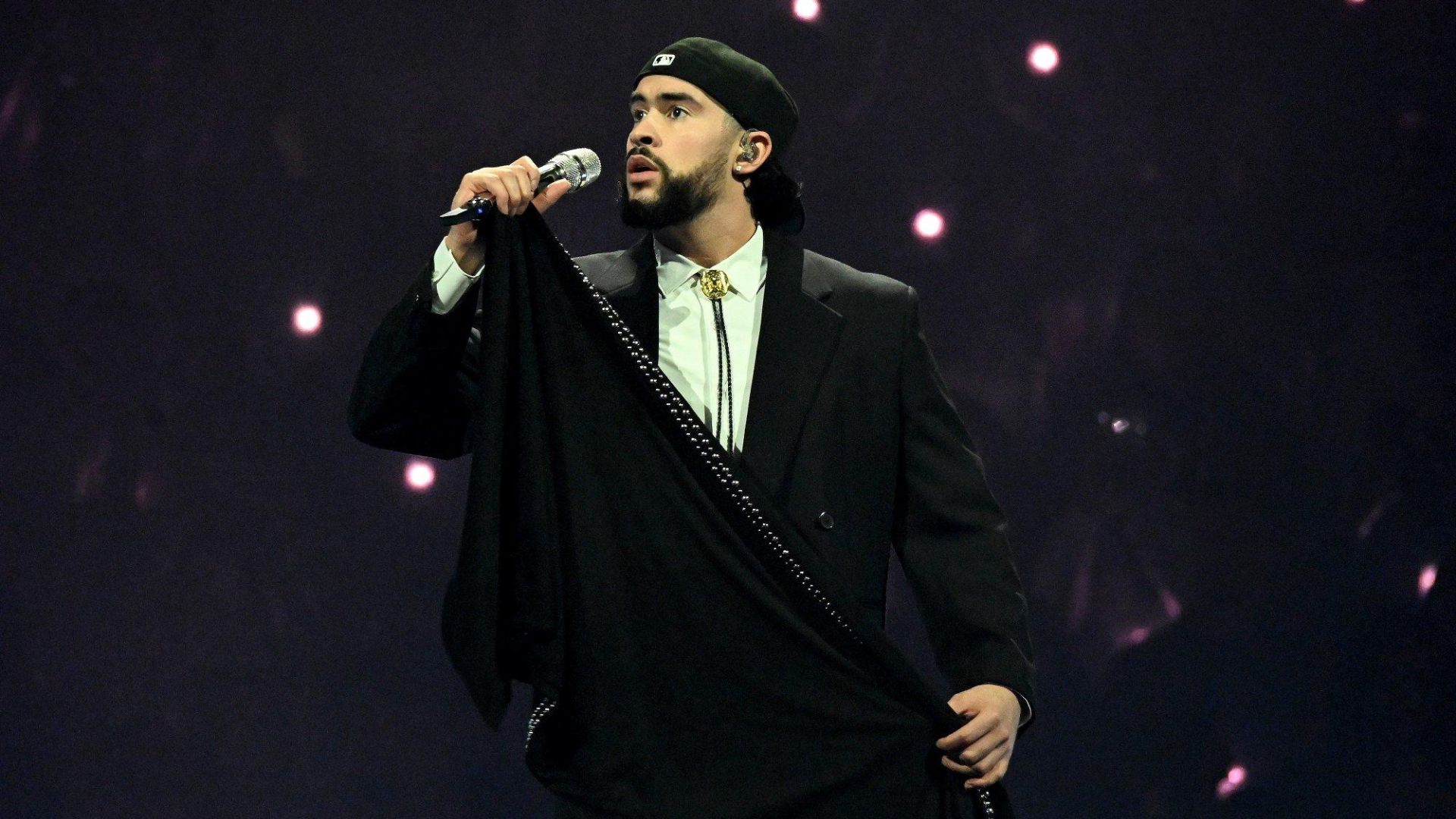
Live shows are the strongest proof of star power. Bad Bunny sells out because his concerts feel like a full event. The crowd energy is intense, the visuals feel bold, and the pacing keeps the night moving. U.S. fans love live moments they can remember for years. His shows create that kind of memory. When thousands sing together, the beat becomes a shared language. That’s why his tours keep drawing attention.
Another reason his live presence works is that he feels confident but still close to fans. He doesn’t perform like a distant character. He performs like someone who knows the crowd is part of the show. That bond is hard to fake. When artists build that bond, their audience grows through word-of-mouth. People don’t just say “he’s good.” They say “you have to see him live.”
Fashion and Visuals: A Luxury-Level Identity
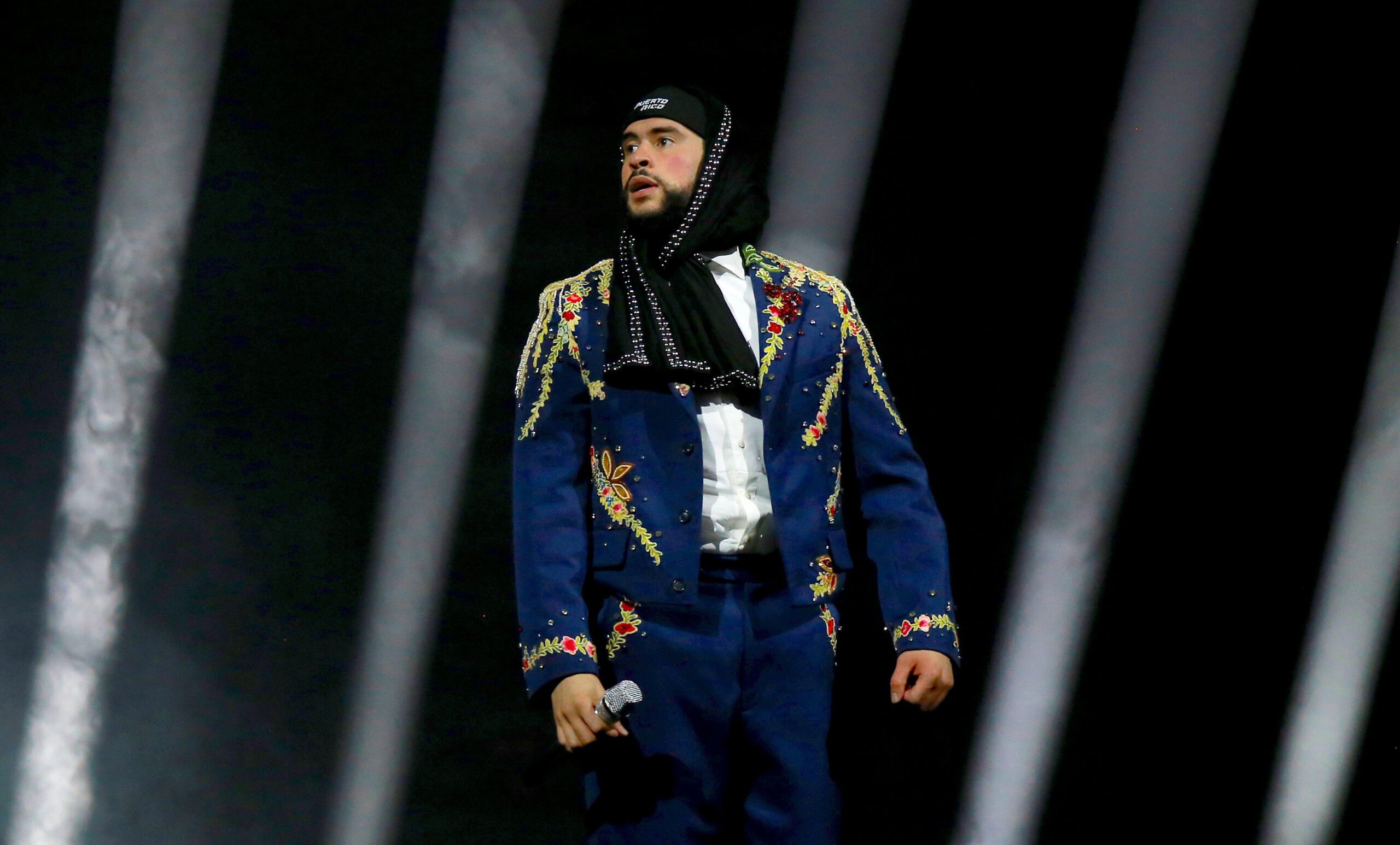
Bad Bunny’s style isn’t random. It matches the music. Some eras look clean and sharp. Others look loud and playful. That’s why his visuals travel so far on social media. Even people who don’t know every song still recognize the image. In the U.S., fashion is part of pop culture, and Bad Bunny uses it like a creative tool. He doesn’t dress like he’s asking for approval. He dresses like he’s setting the rules.
Fans love that confidence. It makes them feel like they can be bolder too. That connection between style and music is part of why his brand is so strong. When an artist’s visuals match the sound, the whole experience becomes memorable.
Cultural Impact: Why Bad Bunny Matters Beyond Hits
Bad Bunny changed expectations. He showed that Spanish-language music can lead the mainstream conversation, not chase it. For many U.S. fans, that feels powerful. It means identity doesn’t have to be hidden to be successful. He keeps Puerto Rico visible through sound, attitude, and pride. That representation creates a deep emotional connection for many listeners.
Even outside that connection, his music still works because emotion is universal. Joy, heartbreak, confidence, and nostalgia don’t need translation. That’s why his songs appear in sports arenas, clubs, and everyday playlists across the United States. He didn’t only build a catalog. He became part of the culture.
FAQs About Bad Bunny
Bad Bunny’s real name is Benito Antonio Martínez Ocasio. Fans like this detail because it shows the artist behind the persona. The stage name is bold and playful, but the real name connects to his roots in Puerto Rico and the real-life story that shaped his voice.
Bad Bunny is from Puerto Rico. His hometown pride shows up in his style, his references, and the emotional tone of his music. That strong identity is part of why U.S. listeners connect so deeply with his work.
He is best known for reggaeton and Latin trap. He also blends Latin pop and experimental sounds. That flexibility keeps his catalog fresh and gives fans different moods for different moments.
He is popular because the music feels emotional and direct. The hooks are strong, the beats hit hard, and the personality feels real. He also creates memorable eras through visuals, fashion, and album themes.
Pick an album that matches your mood. Then listen front to back once. Bad Bunny’s projects are built like full experiences, not random songs. After one full album, it becomes easier to explore other eras.
He takes creative risks while keeping his identity strong. His emotional range is wide, his visuals are memorable, and his albums feel like eras. That mix builds long-term fan loyalty and constant attention.
Want More Sports Coverage?
If you enjoy trending topics and big match breakdowns, check this next page.
You may also like to read About: lakers vs wizardsAbout the Author