michigan synagogue shooting
Michigan Synagogue Shooting: A Clear Look at the Temple Israel Attack in West Bloomfield
The michigan synagogue shooting story quickly became one of the most searched topics in the United States because it involved a place of worship, families, children, and a terrifying burst of violence in a setting meant for peace. For many readers, this story is not just about one bad day in Michigan. It is about public safety, antisemitism, community resilience, and the fear that follows when a trusted space is suddenly attacked. It is also about facts. In fast-moving news events, early wording can be messy. This article brings everything together in a clear, easy-to-read format so readers can understand what happened, why it matters, and what questions still remain.
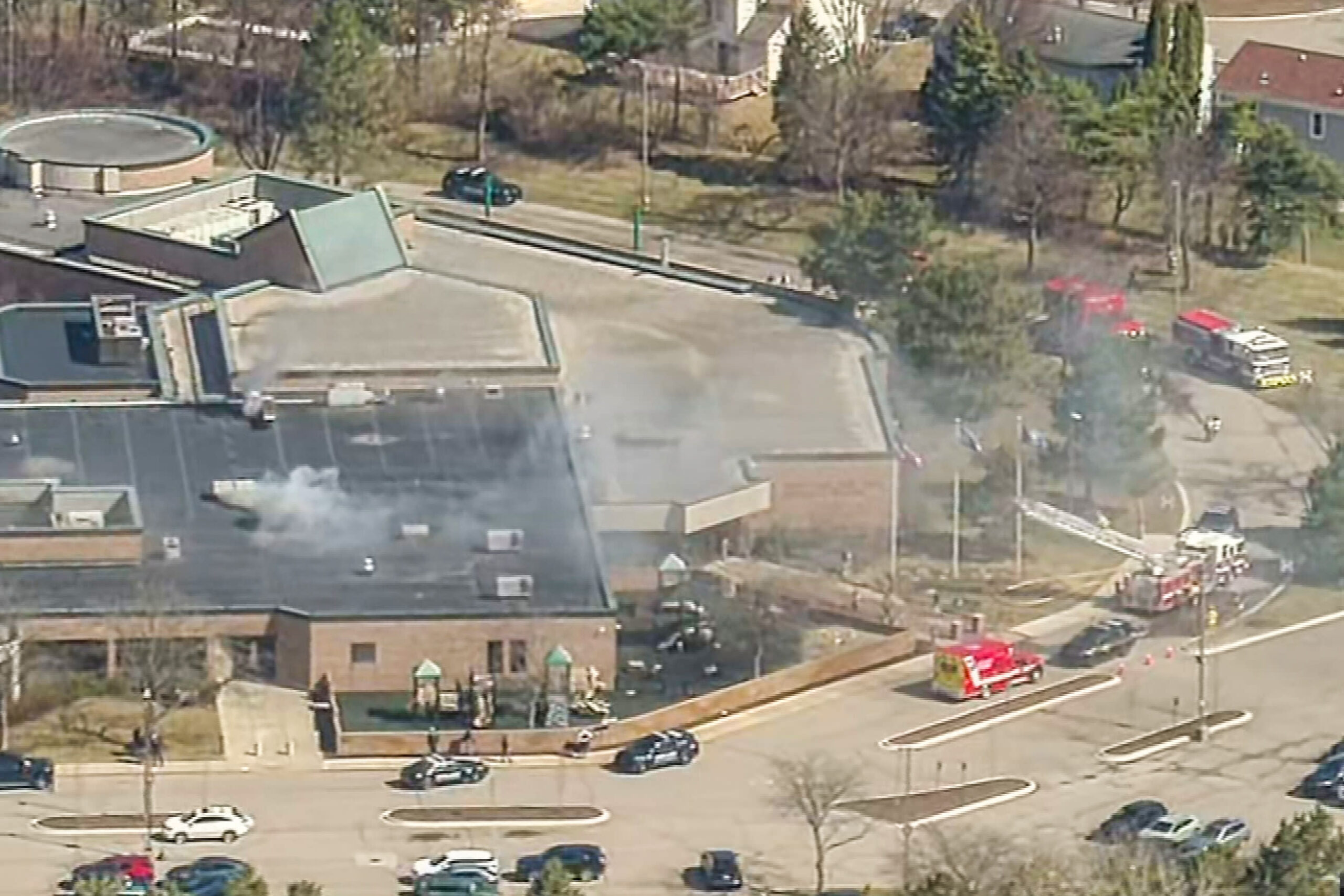
The incident centered on Temple Israel in West Bloomfield Township, Michigan. Early reports described an attack involving a vehicle crashing into the synagogue, a fire inside the building, an armed suspect, and an immediate security response. Children inside the early childhood center were reported safe, which became one of the most powerful and relieving parts of the story. The michigan synagogue shooting keyword is what many people are using in search, but the full picture is more detailed than a simple headline. This page explains that picture in a smooth and complete way, with careful wording, helpful tables, and a structure designed to make the story easier to follow.
What happened in the Michigan synagogue shooting incident
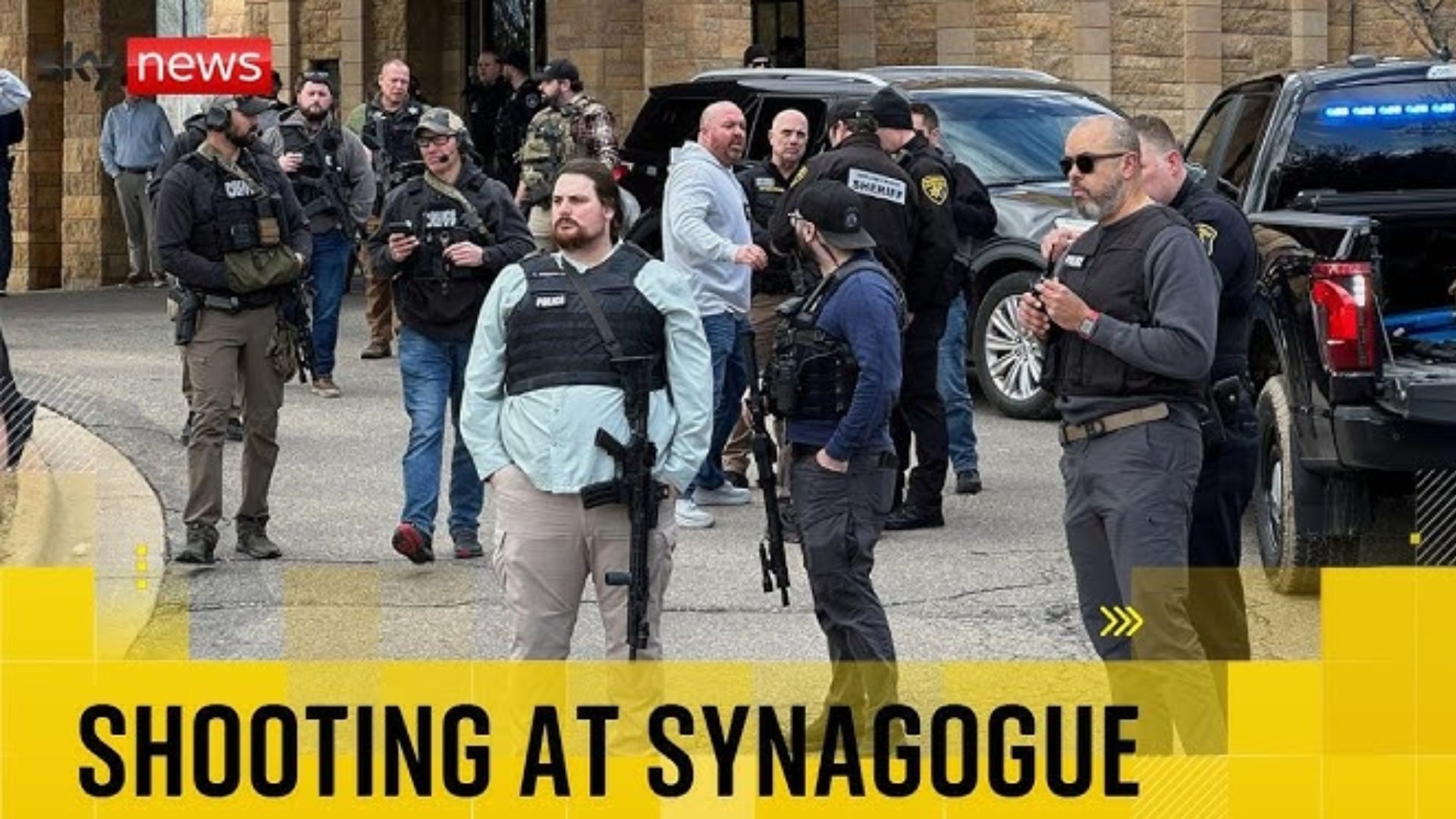
The michigan synagogue shooting case unfolded during preschool hours at Temple Israel in West Bloomfield. According to early official reporting, a man drove a vehicle into the synagogue and moved through part of the building, causing immediate alarm and confusion. A fire also broke out, adding smoke, panic, and another layer of danger to an already chaotic scene. Security personnel at the site reacted quickly and confronted the suspect. That response became a central part of the story because it appears to have helped stop an even worse outcome. When readers search for this case, most want the basic facts first, and those facts point to a targeted violent event that was both shocking and fast-moving.
One of the most important parts of the story is what did not happen. Reports said the children and staff inside the early childhood center were not physically harmed. In a moment that could have turned into a far larger tragedy, that detail stood out across national coverage. The michigan synagogue shooting story carries emotional weight because it happened in a place where families expect safety and routine. The incident touched on several layers at once: faith, community, childhood, fear, and the reality that many houses of worship now have to think seriously about physical protection. That is why this case has drawn such intense attention across the country.
Incident Biography Table
| Detail | Information |
|---|---|
| Incident Name | Michigan synagogue shooting / Temple Israel attack |
| Date | March 12, 2026 |
| Location | Temple Israel, West Bloomfield Township, Michigan |
| Type of Attack | Vehicle intrusion, fire, armed threat, security response |
| Suspect Status | Dead at the scene |
| Children and Staff | Reported safe with no direct injuries |
| Security Impact | One officer injured after being struck by vehicle |
| Investigation | Handled as a targeted act of violence |
| Main Public Concern | Safety of houses of worship and Jewish communities |
Temple Israel profile and community role
Temple Israel is a well-known synagogue in West Bloomfield Township, an area closely connected to the larger Detroit region. Its role goes beyond religious services. It also serves families, children, and community programs, which is why the attack felt so personal to many people. When a large and active synagogue becomes the site of violence, the emotional effect spreads beyond local members. It reaches Jewish communities across Michigan and the United States. The michigan synagogue shooting discussion is therefore not only about one building. It is also about what that building represents to the people who gather there for worship, learning, and everyday life.
Reports said the early childhood center was operating when the attack happened. That one detail changed the emotional temperature of the story. Parents, teachers, staff, and neighbors instantly understood how serious the danger could have become. A synagogue is already a place of trust. Add young children to that setting, and it becomes even more sensitive. The attack raised urgent questions about security, access control, preparedness, and how institutions can protect vulnerable people without destroying the welcoming spirit that such spaces are supposed to offer. For many readers, the michigan synagogue shooting story is also a case study in why safety planning now matters more than ever.
| Profile Item | Details |
|---|---|
| Name | Temple Israel |
| City / Township | West Bloomfield Township |
| State | Michigan |
| Community Role | Synagogue, educational center, family and faith space |
| Children Present During Incident | Early childhood center was active at the time |
| Security Presence | On-site security responded quickly |
| Public Impact | Strong local and national concern |
Why this case matters across the United States
The michigan synagogue shooting case matters because it speaks to a wider national concern. Houses of worship are deeply personal spaces. People go there to pray, learn, gather, and feel connected. When violence enters one of those places, the impact spreads fast. Even readers who live far from Michigan can feel the weight of the story because it touches on issues that affect communities everywhere: fear, faith, hate, security, and the need for trust in shared public spaces. This is why the story has reached such a broad audience and continues to hold public attention.
The case also matters because it reflects growing concern about attacks on Jewish institutions. Across the country, many synagogues and Jewish organizations have already been living with higher alert levels. Security has become part of the everyday conversation, not because anyone wants it to be, but because reality pushed it there. The michigan synagogue shooting topic fits into that wider pattern. It raises hard questions while also showing the value of fast response, readiness, and community support. For American readers, this is not just a local event. It is part of a much larger public safety story.
Security response and why it changed the outcome
One of the strongest parts of the michigan synagogue shooting story is the role of security. Reports said on-site security moved quickly when the suspect entered the synagogue. That action appears to have helped prevent a larger disaster. One officer was injured after being hit by the vehicle, but the fast response still stands out as one of the most important reasons the story did not end in even greater loss. In a matter of moments, trained people had to make critical decisions under extreme pressure.
This is a painful but valuable lesson for community centers, schools, and houses of worship. Preparedness may feel heavy until the day it becomes necessary. Then it becomes priceless. The michigan synagogue shooting case shows that drills, planning, communication systems, and trained personnel can save lives. Readers often focus first on the suspect and the attack itself, but the deeper lesson may be about response. Readiness is not about living in fear. It is about caring enough to protect people when the unthinkable happens.
The children and families at the heart of the story
The reason this story landed so hard with the public is simple: children were inside the building. Reports indicated that the early childhood center was active and that the children were safely protected during the incident. That outcome brought relief, but it did not erase the trauma of the moment. Parents do not forget a day when a place they trust is suddenly surrounded by fear. The michigan synagogue shooting narrative therefore includes more than event details. It also includes the emotional aftermath carried by families who expected an ordinary day and were instead thrown into crisis.
Children may not fully understand every detail of such an event, but they often remember the feeling of it. They remember alarms, smoke, adults moving quickly, and the tension in faces around them. That is why the aftermath matters so much. Recovery is not only about physical safety. It is also about emotional care, steady routines, clear communication, and the support that helps families regain a sense of normal life. In the michigan synagogue shooting case, that side of the story deserves as much attention as the incident itself because it speaks to what healing actually looks like.
Why accurate wording matters in this story
Many people are searching the phrase michigan synagogue shooting, but the known details are more layered than a basic headline. The event involved a vehicle entering the synagogue, a fire, an armed suspect, and security gunfire. That means accurate wording matters. In urgent news situations, broad terms spread quickly because they are easy to search and easy to repeat. But clarity is important. People deserve the strongest available facts, especially when a story is emotional and widely shared.
Using careful wording does not weaken the seriousness of the incident. It strengthens trust. Readers want a full explanation, not just a dramatic phrase. That is why it helps to describe the event in a complete way while still addressing the exact search term people are using. The michigan synagogue shooting keyword brings readers to the topic, but the article itself should do more than repeat the phrase. It should explain what happened, what is known, what is still unclear, and why the distinction matters for anyone trying to understand the event responsibly.
Community reaction and public concern
Public reaction was immediate because the story touched on so many sensitive issues at once. Community members, leaders, and families responded with shock, sadness, and support. When violence enters a synagogue, the reaction is never limited to one city block. It spreads through entire networks of people who feel personally connected by faith, identity, and concern for safety. The michigan synagogue shooting discussion grew so quickly because readers across the country saw the event as part of a wider and deeply troubling pattern.
Yet the public response also carried a message of strength. In moments like this, communities often show resilience in visible ways. Support messages increase. Local voices speak up. Security discussions become more serious. Families gather closer. That side of the story matters because violence often aims to spread fear and isolation. Community solidarity pushes in the opposite direction. The michigan synagogue shooting case is painful, but it also shows how people respond when a shared place of peace is threatened. They protect each other, speak clearly, and refuse to let fear have the final word.
What this means for houses of worship in America
Across the United States, faith communities are asking sharper questions about safety. Who monitors entry points? How quickly can families be sheltered? Are communication systems clear? Is security visible enough to deter harm but calm enough to preserve a welcoming environment? The michigan synagogue shooting case adds urgency to those questions. It reminds leaders that planning is no longer optional for many institutions. It is part of protecting the people who gather inside.
At the same time, no house of worship wants to feel like a fortress. These spaces exist for prayer, comfort, learning, and connection. The challenge is finding the balance between openness and protection. That balance is difficult, but this case shows why it matters. Readers searching for the michigan synagogue shooting story are often also searching for meaning. One clear answer is that safety planning is now part of caring for a community. It may feel invisible on good days, but on the worst days it can make all the difference.
What is still unknown
In fast-moving cases, there are always early gaps. Motive is often one of the hardest questions to answer quickly, and that seems true here as well. While the event has been treated as targeted violence, some investigative details still take time to confirm. That is normal in a serious case involving law enforcement, witness accounts, physical evidence, and public reporting that develops hour by hour. The michigan synagogue shooting topic has drawn so much interest that rumors can easily spread faster than verified facts.
This is why readers should focus on confirmed information and avoid filling empty spaces with guesses. A careful article does not rush beyond what is known. Instead, it lays out the solid points clearly: where the attack happened, how security responded, who was protected, and what wider concerns the story raises. The michigan synagogue shooting case is important enough to deserve patience as well as attention. Facts grow stronger when they are allowed to settle before being stretched into bigger claims.
A human lesson from the Michigan synagogue shooting
Stories like this can become trapped inside the language of fear. That is understandable, but it is not the whole truth. Another truth also stands in this case: people responded with courage. Security acted. Children were protected. Families were guided to safety. Community voices rose quickly. That does not remove the pain of the incident, but it does show the strength that can appear in ordinary places when a crisis arrives without warning. The michigan synagogue shooting story is therefore not only about violence. It is also about response, resilience, and the value of preparation.
For many readers, the lasting impression may come from that contrast. A place built for peace was hit by violence, yet the people inside and around it showed control, care, and determination. Those qualities matter because they shape the story after the sirens stop. The michigan synagogue shooting case should be remembered not just for the fear it caused, but also for the reminder that communities can protect one another under immense pressure. In moments like these, courage is often quiet, quick, and deeply human.
Frequently Asked Questions
1. What happened in the Michigan synagogue shooting case?
The event involved an attack at Temple Israel in West Bloomfield that included a vehicle entering the synagogue, a fire, an armed suspect, and a rapid security response. The story gained national attention because children were present inside the building.
2. Where did the incident happen?
It happened at Temple Israel in West Bloomfield Township, Michigan, a well-known synagogue connected to the larger Detroit-area Jewish community.
3. Were children inside during the attack?
Yes. Reports indicated that the early childhood center was active during the incident, and the children were reported safe, which became one of the most important details in the case.
4. Why is the phrase “michigan synagogue shooting” widely used?
Many readers are using that exact keyword in search, even though the fuller description of the case includes a vehicle attack, fire, an armed suspect, and security gunfire.
5. Why is this story important beyond Michigan?
The case reflects wider national concern about attacks on houses of worship, rising fear in Jewish communities, and the need for stronger security planning in public faith spaces.
6. What is the biggest takeaway from this story?
The strongest takeaway is that preparation and rapid response appear to have prevented a much greater tragedy. The case shows how important safety planning has become in community spaces.
Conclusion
The michigan synagogue shooting story has drawn intense attention because it combines fear, faith, family, and public safety in one deeply emotional event. What happened at Temple Israel in West Bloomfield reminds readers that violence can strike in places built for peace, but it also shows that fast response and strong preparation can protect lives. The children inside were reported safe, the threat was confronted quickly, and the wider public was reminded that community protection is not abstract. It is immediate, practical, and deeply important.
For readers in the United States, this story is likely to remain meaningful because it touches on real national concerns. It raises questions about security, trust, and how communities recover after fear enters a familiar place. Yet it also leaves behind a message of resilience. The most lasting image is not only the danger of the moment, but the fact that people acted with speed and courage when it mattered most.
You may also like to read About: isiah pachecoAbout the Author