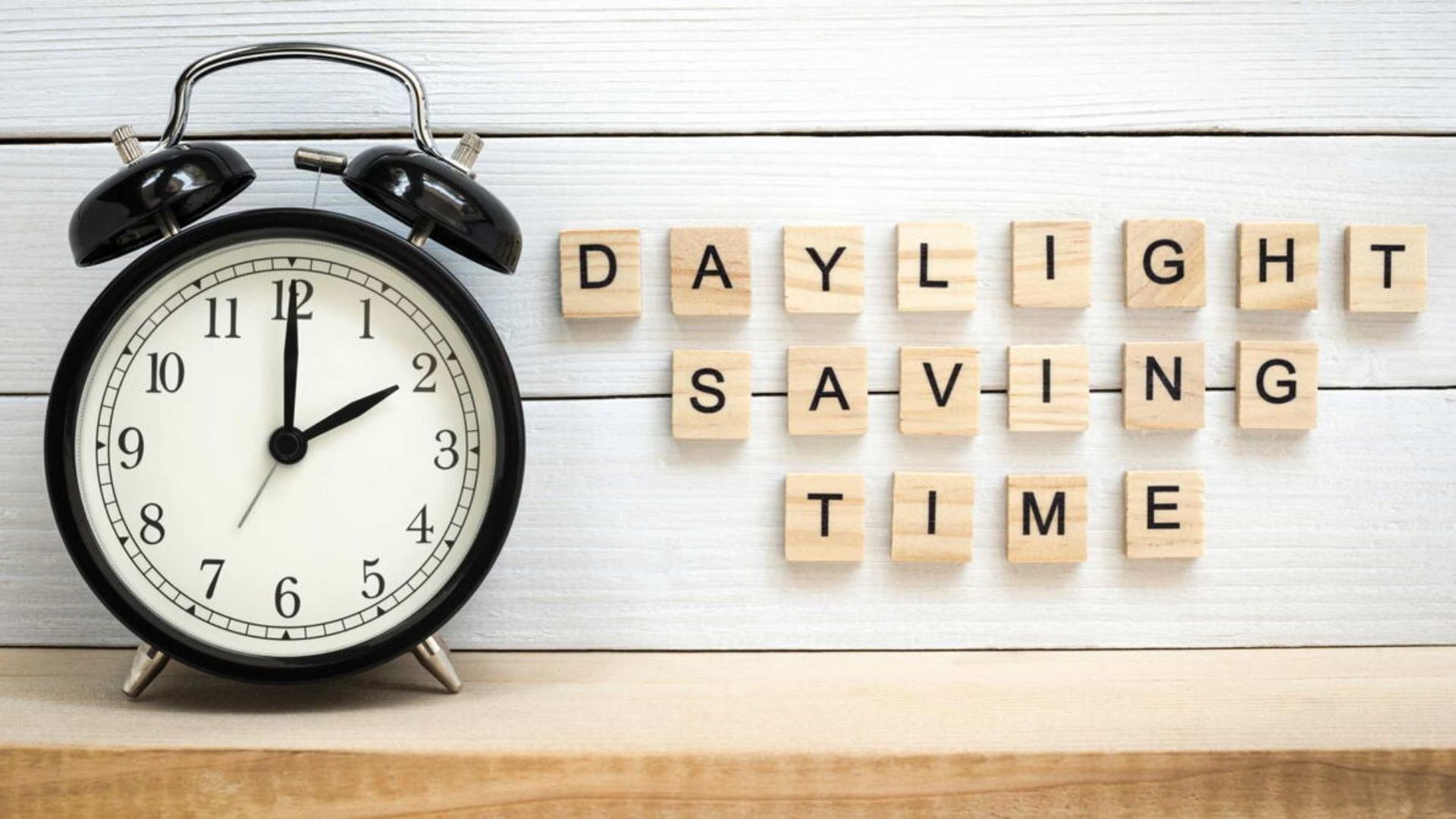
daylight saving time
Daylight Saving Time in the USA: Simple Rules, Dates, and Easy Tips
Daylight saving time can feel confusing, but it doesn’t have to be. This guide explains the clock change in plain words, with real-life tips that help you sleep better, plan travel, and avoid time mistakes. Everything is designed for busy people who want fast answers and a smooth week after the change.
Quick Answer
In most of the United States, daylight saving time begins on the second Sunday in March and ends on the first Sunday in November. The clock change happens at 2:00 a.m. local time. In spring, the clock moves forward one hour, and in fall, it moves back one hour. If you plan ahead for sleep and schedules, the change becomes much easier for adults and kids.
Spring Change
“Spring forward” means you lose one hour overnight. Your body may feel off for a few days, so a small sleep adjustment plan makes mornings feel calmer.
Fall Change
“Fall back” means you gain one hour. Many people enjoy extra sleep, but earlier sunsets can change evening routines and mood.
Best Strategy
Start shifting bedtime by 10–15 minutes for a few nights, get bright morning light, and double-check alarms, calendars, and travel times.
What daylight saving time means
Daylight saving time is a system where clocks shift by one hour for part of the year. The goal is simple: place more daylight into the evening hours when many people are finished with work or school. It does not change the sun. It changes the clock, which changes how you experience your day. For many families, this affects dinner time, sports practice, homework, and bedtime. It also affects commuting and early morning routines. When you understand the basic idea, everything else becomes easier. You are not “gaining” or “losing” daylight. You are moving your schedule so daylight lands where you want it most.
How it works: spring forward and fall back
There are two main moments each year. In spring, you move the clock forward by one hour. That is why people say “spring forward.” You may feel tired because the sleep window is shorter. In fall, you move the clock back by one hour, which is why people say “fall back.” Many people like the extra hour, but the earlier sunset can feel strange. A smart way to avoid confusion is to tie the changes to habits, not memory tricks. Before bed on the change weekend, confirm your alarms, set an earlier bedtime, and keep the morning routine calm. These simple steps make the time change feel predictable instead of stressful.
Pro Tip Box
If you want daylight saving time to feel easy, treat it like a tiny “one-hour travel day.” Prepare your sleep, prep your morning the night before, and keep Sunday evening relaxing. Your body adjusts faster with steady routines.
When the U.S. changes clocks
In the United States, daylight saving time follows a predictable schedule. It starts on the second Sunday in March and ends on the first Sunday in November for most states. The change takes place at 2:00 a.m. local time. This timing is chosen because fewer people are traveling or working at that hour. Most smartphones, laptops, and modern devices update automatically. The most common problems come from older clocks, car dashboards, kitchen ovens, and some smart home systems. If you want a smooth Monday, set a reminder on Saturday to check every clock you depend on. A one-hour mistake can ruin a flight time, a meeting time, or a school pickup time.
| Profile Item | USA Quick Answer | Why It Matters |
|---|---|---|
| Start Rule | Second Sunday in March | Plan spring sleep changes early |
| End Rule | First Sunday in November | Expect earlier sunsets |
| Change Time | 2:00 a.m. local time | Most people are asleep |
| Spring Shift | Clock moves forward 1 hour | Harder mornings for a few days |
| Fall Shift | Clock moves back 1 hour | Extra hour, but earlier night |
Biography of daylight saving time in the United States
The story of daylight saving time in America has changed over time, which is why people still debate it today. In different decades, the country adjusted the schedule, expanded it, and tried to make it more consistent. The biggest issue was confusion. When different places used different rules, travel and business became difficult. Over time, the U.S. created clearer rules so most states would follow the same pattern. Even now, the conversation continues because people care about sleep, safety, and how evenings feel in daily life. This timeline gives you a simple view of how the system developed, without complicated history. It also shows why rules can shift again in the future if laws change.
| Era | What Happened | What People Felt |
|---|---|---|
| Early 1900s | Ideas spread about shifting clocks seasonally | Mixed support and confusion |
| War Years | Time changes used to support national needs | Big lifestyle changes for workers |
| Standardized Rules | More consistent national schedules | Less travel and business confusion |
| Modern Schedule | March-to-November pattern becomes common | Predictable, but still debated |
| Today | Ongoing discussions about permanent time | Health and preference drive opinions |
Where daylight saving time is not observed
Not every place in the United States follows daylight saving time. The two most well-known exceptions are Hawaii and most of Arizona. Some U.S. territories also avoid the clock change. These locations often have different daylight patterns, climate needs, or daily schedules that make the shift less helpful. The key point is practical: if you work with clients, students, or family in different states, you must confirm which time rule they follow. A one-hour difference can create missed calls, late arrivals, or confusing calendar invites. This is especially common for people who travel between states in the same season. A quick check avoids the most common daylight saving time mistake.
Time zones, travel, and meeting planning
Travel can make daylight saving time feel bigger than it is. That is because time zones already create differences, and the clock change can add another layer of confusion. If you plan flights, hotel check-ins, or online meetings, always write times with a clear zone label, like Eastern or Pacific. Many calendar tools update automatically, but people often copy old meeting times from last week and forget that the shift changes the feel of the day. A safe method is simple: check your departure time, confirm your arrival time, and set two alarms for early travel mornings. These steps protect you from avoidable stress and help you stay confident when schedules are tight.
Travel Checklist
- Confirm the meeting time with a time zone name, not just a number.
- Check your car clock, oven clock, and any wall clocks on Saturday night.
- Set a backup alarm for Monday morning after the spring change.
- Keep Sunday night calm so sleep feels steady.
Sleep, energy, and the body clock
Your body runs on a daily rhythm that likes consistency. That is why daylight saving time can feel rough, especially in spring. Losing one hour can reduce sleep and make mornings feel harder. The best approach is gentle and realistic. Start shifting bedtime by 10 to 15 minutes for a few nights. Then, get bright light soon after waking up. Morning light helps your body “reset” faster. Keep caffeine earlier in the day and reduce screen time right before bed. These steps are simple, but they work because they match how the body adapts naturally. If you want a smoother week, focus on sleep quality and routine, not perfect schedules.
| Day | Bedtime Shift | Morning Habit |
|---|---|---|
| Thursday | 15 minutes earlier | 10 minutes of bright light |
| Friday | 15 minutes earlier | Short walk or open curtains |
| Saturday | 15 minutes earlier | Hydration + protein breakfast |
| Sunday | Keep it calm and steady | Gentle morning routine |
| Monday | Stick to the new time | Light early, caffeine earlier |
Family plan: helping kids adjust faster
Kids often feel the time change strongly because their sleep needs are high and their routines are strict. The best family plan is simple and calm. For a few nights, shift bedtime in small steps. Keep the bedtime routine exactly the same, but start it earlier. In the morning, make light your friend. Open curtains, eat breakfast, and keep the start of the day peaceful. If your child naps, avoid long late naps right after the spring shift. For school mornings, prep clothes, backpacks, and lunches the night before. That reduces stress when everyone feels tired. A stable routine makes daylight saving time feel less like a shock and more like a normal seasonal adjustment.
Work, productivity, and daily routines
The Monday after the spring change is where most people feel the impact of daylight saving time. Focus can dip, and small mistakes can happen faster. The best fix is planning. If you manage your own schedule, place lighter tasks early in the day and save deep work for later. If you lead a team, consider shorter meetings that week and clear priorities. For commuters, leave earlier and drive with extra care. For workouts, keep it easy for a few days if sleep is short. You do not need to “power through” with intensity. You need consistent habits and smart pacing. When you manage energy well, daylight saving time becomes a small event, not a week-long problem.
Technology, calendars, and the most common clock mistakes
Most modern devices update automatically, but the most common daylight saving time problems come from the places you forget. Think about car clocks, microwaves, ovens, office wall clocks, fitness equipment displays, and older alarm clocks. These often do not update on their own. Another common issue is calendar sharing. Someone sends an invite without a time zone label, and the time looks “right” on their device but “wrong” for the other person. A simple habit prevents this: always include a time zone name when planning calls across the country. Also check your alarm sound settings before the change. A correct alarm time is useless if the volume is off. Tiny details matter most on the first workday after the shift.
Myths and misunderstandings
Many people think daylight saving time was created only for farming. That belief is popular, but it doesn’t match how farming usually works. Farming depends on weather, sunrise, and seasonal needs, not a wall clock. Another common misunderstanding is the name. People often say “daylight savings time,” but the common formal wording is “daylight saving time.” The biggest real-life confusion is simpler: people forget which places do not observe the change, and they forget to update non-smart clocks. If you want to avoid problems, keep it practical. Prepare on Saturday, confirm time settings on Sunday, and treat Monday like a gentle reset day. That approach wins every year.
What could change in the future
Many Americans want one stable time all year. Some people want permanent daylight time, and others prefer permanent standard time. The reason opinions differ is simple: people care about morning light, evening light, and how sleep feels. Some families love brighter evenings. Others dislike darker mornings. Health and routine also matter, especially for early school schedules. For now, most states still follow the usual clock change pattern. That means your best plan is to prepare like the change will happen, then enjoy the season once your body adjusts. When you focus on small habits, daylight saving time becomes manageable, predictable, and easier every year.

FAQs about daylight saving time
1) Why does daylight saving time exist?
2) What time do clocks change in the U.S.?
3) Do all U.S. states follow daylight saving time?
4) Why does spring forward feel harder than fall back?
5) How can I adjust to daylight saving time faster?
6) What is the easiest way to remember the direction?
Conclusion
Daylight saving time becomes much easier when you treat it like a small seasonal shift, not a big crisis. The rule is simple, and the routine is even simpler: adjust bedtime in small steps, get morning light, and confirm every clock you depend on. If you travel or plan meetings across the country, include time zone names and double-check the places that do not observe the change. With this approach, the clock shift feels calm, your week stays productive, and your mornings feel stable. If you want the smoothest experience, prepare on Saturday and keep Sunday night relaxed. Small choices create a big difference, and that is the smartest way to handle daylight saving time every year.
About the Author