jesse jackson
Jesse Jackson: A Trailblazer in Civil Rights and Politics
Introduction
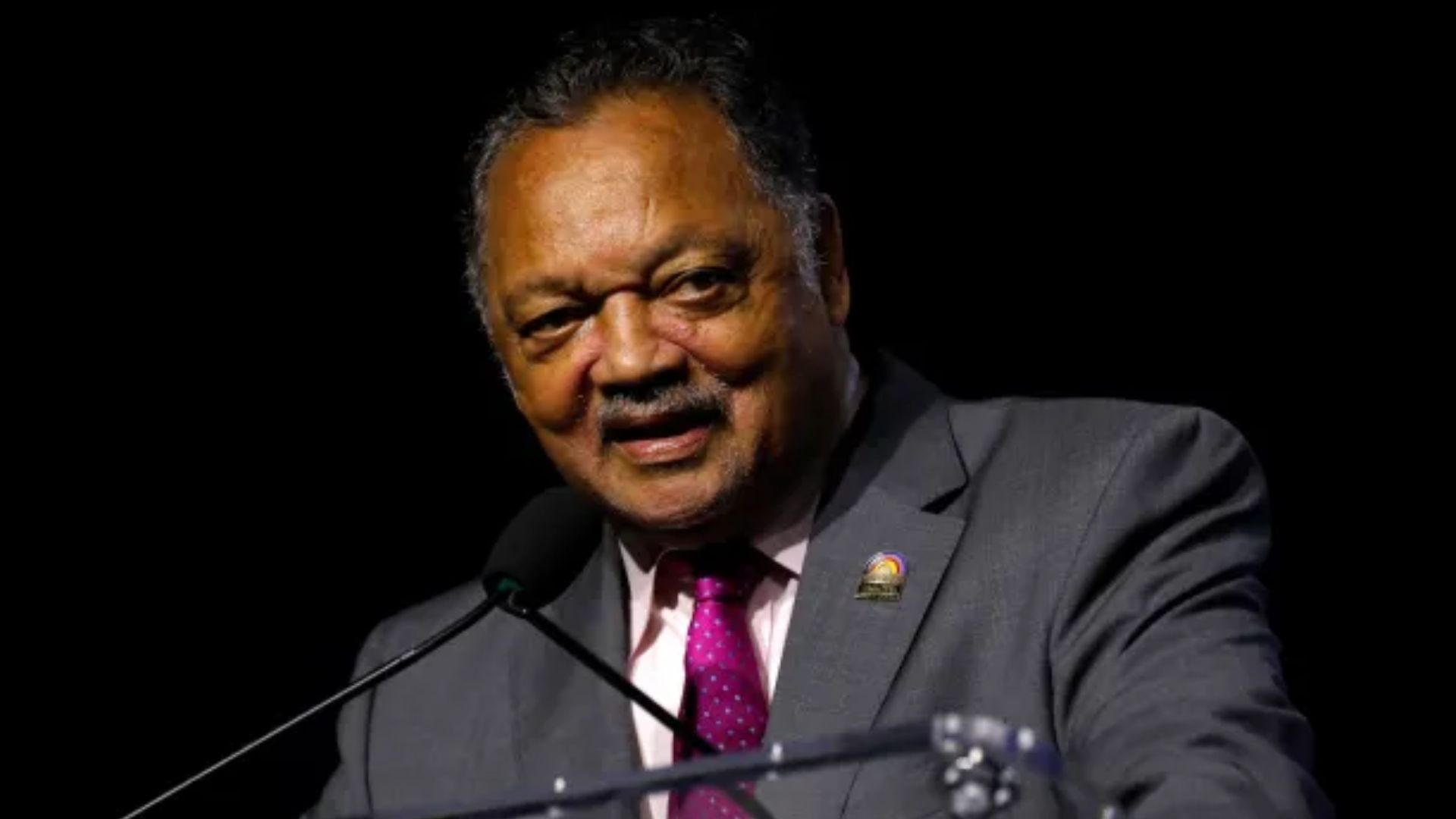
Jesse Jackson is a name synonymous with the civil rights movement and political activism. Throughout his life, Jackson has fought for racial equality, social justice, and economic empowerment. From his early days as a Baptist minister to becoming a prominent leader in the political and social landscape, Jesse Jackson’s influence extends far beyond the United States. His contributions to both American and global civil rights struggles have earned him respect and admiration. In this article, we will delve into the life, achievements, and legacy of Jesse Jackson, covering his early years, activism, political campaigns, and lasting impact on society.
Early Life and Education
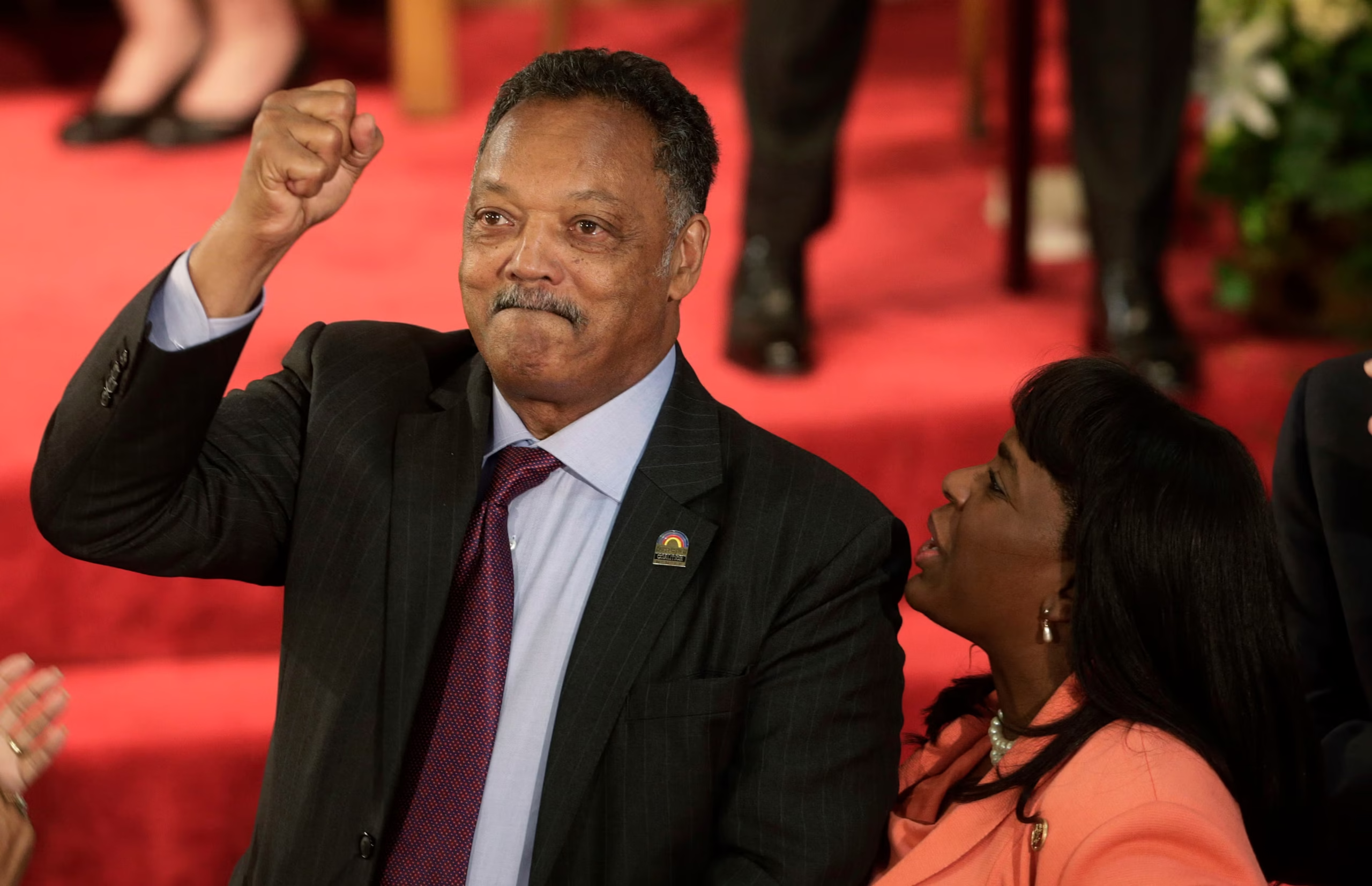
Jesse Jackson was born on October 8, 1941, in Greenville, South Carolina, into a segregated society that shaped his early life. Raised by his mother, who was a schoolteacher, Jackson was taught the value of education and social justice at an early age. He went on to study at the University of Illinois, where he played football and earned a scholarship. However, it was not just athletics that defined his college years; Jackson was also deeply engaged in the civil rights movement, particularly after hearing the call to action from Dr. Martin Luther King Jr. This period would set the stage for his lifelong commitment to social change.
Introduction to Activism
Jesse Jackson’s activism began when he joined Dr. King’s Southern Christian Leadership Conference (SCLC) in the 1960s. Under King’s mentorship, Jackson learned the powerful combination of spiritual faith and activism, leading him to become an integral part of the civil rights struggle. In 1966, Jackson founded Operation Breadbasket, which aimed to promote economic justice for African Americans by encouraging businesses to hire more minorities and invest in disadvantaged neighborhoods. This laid the foundation for his future endeavors in political activism and leadership.
Role in the Civil Rights Movement
As one of Dr. King’s closest allies, Jesse Jackson played a crucial role in advancing the civil rights agenda in the 1960s and 1970s. His work helped secure greater access to jobs, education, and housing for African Americans. Jackson’s presence was felt across several pivotal events, including the 1965 Selma to Montgomery march, which was instrumental in securing the Voting Rights Act. By organizing protests, marches, and advocating for legislative changes, Jackson’s tireless efforts made a tangible difference in the fight for racial equality.
Presidential Campaigns and Political Career
In 1984, Jesse Jackson made history as one of the first African Americans to run for president of the United States. His campaign in 1984 and again in 1988 was an inspiring effort that sparked conversations about race, inequality, and the American political system. Although he did not win the presidency, Jackson’s campaigns highlighted the importance of minority representation in politics and pushed for policies that championed social justice. His presidential runs also helped elevate African American voices in mainstream political dialogue.
Founder of Rainbow PUSH Coalition
In 1996, Jesse Jackson founded the Rainbow PUSH Coalition, an organization that continues to advocate for social change, equality, and economic empowerment. The coalition has played a significant role in lobbying for fair employment, better healthcare, and educational opportunities for marginalized communities. The organization’s advocacy spans from local issues to global human rights, and it remains an enduring testament to Jackson’s leadership in fighting for justice.
Global Influence and Humanitarian Work
Jesse Jackson’s influence extends well beyond the United States. Over the years, he has been involved in numerous international peace efforts. One of his most notable achievements was his role in securing the release of hostages during the Iran crisis in the 1980s. Additionally, Jackson has worked tirelessly to combat poverty, hunger, and violence in various parts of the world. His humanitarian work has earned him recognition from global leaders and humanitarian organizations.
Jesse Jackson’s Legacy and Awards
Jackson’s legacy is deeply woven into the fabric of America’s civil rights history. His work has garnered numerous awards and honors, including the Presidential Medal of Freedom. His efforts continue to inspire new generations of activists and politicians. Jackson’s impact is seen in the ongoing work of the Rainbow PUSH Coalition, the political strides made by African Americans, and the broader movements for equality and justice.
Personal Life: Family and Faith
At the heart of Jesse Jackson’s activism is his deep faith and strong family values. He has been married to Jacqueline Jackson since 1962, and together they have five children. Throughout his life, Jackson has been a devoted Christian, using his faith as a guide in both his personal and professional endeavors. His family has supported him throughout his various campaigns and initiatives, reinforcing the importance of solidarity in both personal and political realms.
Public Perception and Criticism
Though widely respected, Jesse Jackson has also faced criticism throughout his career, especially regarding his political positions and controversial remarks. Some of his detractors argue that his campaigns were divisive or too radical, while others claim that his leadership sometimes fell short in delivering lasting results. Despite this, Jackson’s commitment to racial equality and social justice remains undeniable. His ability to navigate complex political and social issues has earned him both support and criticism.
About the Author