The word Internetchick can sound funny at first. It feels light, a bit playful, and very online. But behind this simple word sits something real. It is about a girl or woman who lives comfortably on the internet, builds her identity online, and shapes her world through content, community, and confidence. It is about how someone uses social platforms, websites, and digital tools to express herself, learn, earn, and connect. When I first heard this word, I also smiled. But as someone who has worked online for years, I realized it actually points to a growing lifestyle and mindset that many people are living today.
Internetchick is not about being perfect. It is about being present online in your own way. It is about learning how to manage your digital footprint, your online reputation, your privacy, your personal brand, and your voice. It is about dealing with attention, criticism, comparison, and sometimes sudden growth. In this long guide, I want to walk you through what Internetchick really is, what it is not, how to become one in a healthy way, and how it can open doors in study, work, creativity, and business. I will also share lessons from my own journey of working online, making mistakes, fixing them, and finding balance again.
What does Internetchick actually mean
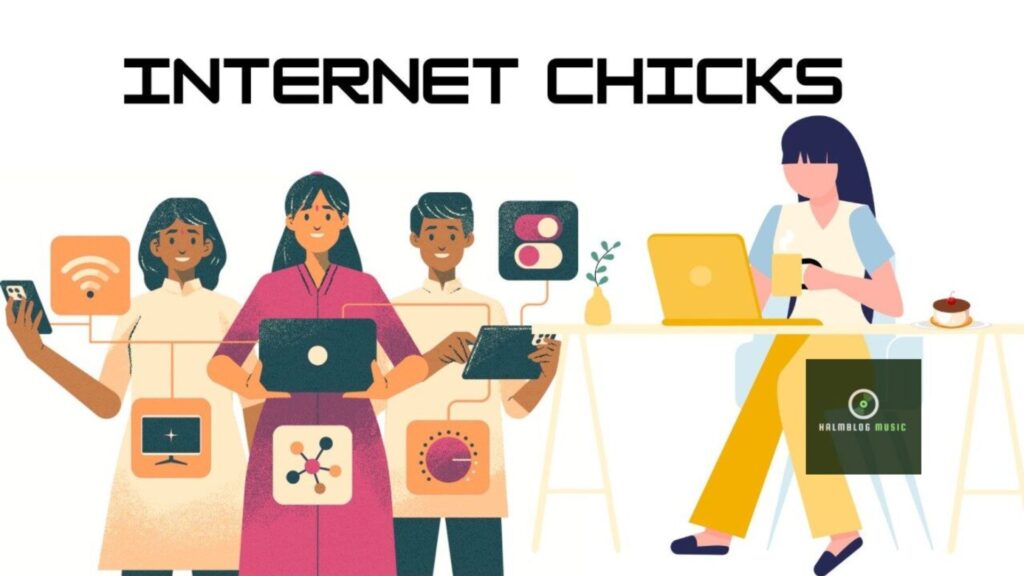
At its core, Internetchick refers to a woman or girl who is very active online and uses the internet as a main part of her life. She may create content, run a small business, study online, build communities, or simply share her daily life. She is social, digital, and connected. Some people think this only means influencers. That is not true. It could be a student who runs a study page, a designer sharing her work, a gamer streaming at night, a small business owner selling handmade crafts, or a writer building an audience.
The internet has become a real place. Not just screens. It is where friendships form, skills develop, brands are born, and confidence grows. Internetchick is simply a symbol of a person who understands how this world works and uses it for growth instead of letting it overwhelm her.
The rise of the online identity
There was a time when online identity did not matter much. Today it can shape jobs, relationships, and opportunities. Even when you apply for work, people often search your name. They see your posts, comments, and ideas. That is why your online presence is no longer something to ignore. Internetchick is someone who is aware of this and takes control of it.
Having an online identity does not mean showing everything. It means choosing what represents you. Your skills. Your voice. Your interests. Your values. One mistake many people make is thinking more posting means more identity. Real identity is built by consistency, honesty, and clarity. What do you care about. What do you talk about often. What do people know you for. These answers form your digital self.
Building confidence online without losing yourself
Confidence online is not loudness. It is comfort. Internetchick learns to be comfortable with who she is, how she looks, how she speaks, and how she thinks. At the beginning it feels awkward. When I started working online, I worried about every typo, every comment, every opinion. Over time I learned something simple. People scroll fast. They forget quickly. But they remember how you made them feel.
Confidence comes from practice. Start small. Post something useful. Share a thought. Comment kindly. Learn how to express yourself clearly. With time your voice becomes stronger. You begin to care less about judgment and more about value. The real win is not followers but freedom from fear.
The emotional side of being an Internetchick
We often talk about strategy and forget emotions. But the emotional journey is real. Some days you feel inspired. Some days you feel invisible. You may compare yourself to others with more likes, more perfect photos, more polished lives. This can quietly hurt your confidence.
What helps here is grounding yourself in real life. Keep real friends. Keep hobbies off the screen. Take breaks. Remind yourself that the internet is a highlight reel, not the whole movie. Internetchick does not exist only online. She is a real person first, with real flaws, real laughter, real struggles. Accepting this makes online life lighter and healthier.
Skills every Internetchick should learn
To thrive online, a few practical skills help a lot. Learn basic digital safety. Understand privacy settings. Know how to recognize scams and fake opportunities. Learn basic writing so you can express ideas clearly. Learn basic design so your visuals look clean. Learn how search engines work so you can be found. These are not hard skills. They grow slowly, one step at a time.
Search engines today try to understand topics, not just single words. So when you write about Internetchick, related phrases naturally appear such as online identity, digital lifestyle, personal brand, social presence, content creation, online safety, and internet reputation. Using natural language and covering related ideas helps your content reach the right readers because it feels complete and helpful. You do not need to stuff words. Just stay on topic in a natural way.
Turning online presence into opportunity
One strong part of the Internetchick idea is opportunity. The internet allows you to learn new skills for free or low cost. It lets you sell services, teach others, offer consultations, create art, or write. Many women have turned small pages into real income streams. Some became freelancers. Some built shops. Some found jobs just through their online portfolios.
The key is value. Ask yourself, what can I help with. Maybe you explain skincare simply. Maybe you understand fitness. Maybe you are good at language learning. Maybe you bake. Maybe you review books. Almost any genuine interest can grow online if you are consistent and honest.
Balancing privacy and visibility
One common fear is safety. Internetchick must learn to protect herself. Share only what you are comfortable with. Avoid posting exact locations in real time. Keep sensitive information private. Choose what is public and what stays for close friends. You have full control. Being visible does not require exposing everything. Healthy boundaries are a sign of strength, not fear.
I learned this lesson late. In the beginning, I overshared. Later I had to delete many things. Now I keep a simple rule. If I would not say it in a room of strangers, I do not post it publicly. That small thought keeps you safe and calm.
How to grow without chasing validation
Likes and followers feel good. The dopamine rush is real. But if you tie your worth to numbers, you will suffer. Growth should be a by-product, not the main goal. Focus on quality, not constant posting just to be seen. Ask yourself, did this help someone. Did this express my real thoughts. Did this add something positive. If yes, it is already success.
Real communities grow slowly. They come from trust, not tricks. When people feel your sincerity, they stay. You do not need to pretend to be someone else. You do not have to copy trends that do not match you. Authenticity sounds like a big word, but in simple terms it means this: be the same person online and offline.
The future of Internetchick
The future is even more digital. Work, learning, shopping, entertainment, relationships, and creativity will keep moving online. That means Internetchick is not just a trend. It is a direction. Younger generations are already growing up with phones and screens. The smart step is not to fear this but to learn how to use it wisely.
Women especially are finding their voices online. They are leading communities, teaching, starting companies, and inspiring others. The internet removes many barriers like location and background. If you have skill and patience, you can build something meaningful from anywhere.
A simple roadmap to becoming a healthy Internetchick
Start by cleaning your profiles. Remove things you no longer relate to. Write a short bio that actually reflects you. Pick one or two main topics you care about and post around them. Engage in conversations. Follow people who inspire you, not those who drain you. Learn something small every week. Track your screen time and take regular breaks.
Do not rush. Do not force growth. Focus on becoming better at what you enjoy. Over months you will notice small changes. More clarity. More confidence. Better connections. A stronger sense of who you are in the online world.
My personal experience
When I began working deeply online, I did not plan anything. I stumbled, learned, failed, improved, and kept going. I made posts that nobody read. I made posts that unexpectedly reached thousands. I received criticism that hurt, and messages that made my day. Through all of this, I learned that the internet magnifies what is already inside you. If you are insecure, it can make that louder. If you are focused and patient, it can multiply your progress.
The biggest turning point for me was when I stopped trying to impress and started trying to help. Once I did that, writing became easier. Conversations became warmer. Opportunities appeared naturally. That is the heart of Internetchick. It is not a label. It is a journey of learning how to be yourself in a digital world.
Final thoughts
Internetchick is about owning your online life with clarity and kindness. It is about building a digital identity that matches your real self. It is about balancing visibility with privacy, growth with peace, ambition with health. The internet can be loud and confusing, but it can also be full of learning, friendship, and opportunity.
Take your time. Learn the tools. Protect your space. Share what matters to you. If you do this, you will not just survive online. You will thrive in it, on your own terms, with your own voice. That is the real power behind the idea of Internetchick.
About the Author