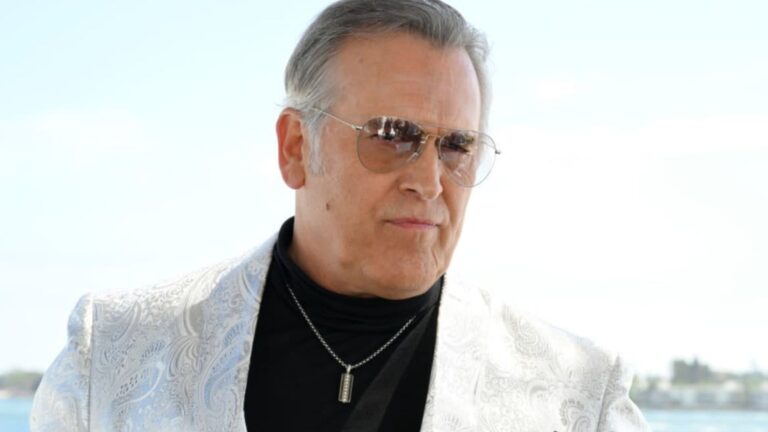
When people talk about great actors, one name almost always comes up early in the conversation: Robert De Niro. Not because of hype or nostalgia, but because his work quietly set a standard that others still chase. De Niro did not just act in movies. He changed how acting itself was understood.
This is not another surface-level biography. This is a full, grounded look at who he is, how he works, and why his influence still shapes cinema today.
Early Life and the Roots of His Craft
Robert De Niro was born in New York City in 1943, surrounded by art before he ever thought about acting. His parents were painters. Their world was full of creativity, discipline, and emotional honesty. That environment matters. You can feel it in his performances. There is restraint, observation, and patience in the way he approaches characters.
As a teenager, he was shy and withdrawn. Acting became a way to speak without speaking. He studied under legendary teachers like Stella Adler and Lee Strasberg, learning not just lines but behavior, rhythm, and internal truth. This foundation explains why his performances feel lived-in rather than performed.
The Rise of Method Acting in American Cinema
De Niro is often associated with method acting, but that phrase gets misunderstood. For him, method acting was never about showing off effort. It was about removing anything fake.
He gained weight, lost weight, learned accents, trained as a boxer, drove real taxis, worked real jobs, and spent time with real people connected to his roles. Not for publicity, but for accuracy. He wanted to know how a character breathed, stood, and thought.
This approach changed expectations in Hollywood. After De Niro, audiences could sense when an actor had not done the work.
Taxi Driver and the Birth of an Icon
Taxi Driver was not just a film. It was a cultural moment. De Niro’s portrayal of Travis Bickle was unsettling because it felt authentic. He did not play madness loudly. He played it quietly, patiently, until it became impossible to ignore.
The famous “You talkin’ to me?” scene was mostly improvised. That alone says a lot about his instincts. He trusted the character enough to let the moment exist without forcing it. Today, that scene is studied in acting schools around the world.
The Godfather Part II and Controlled Power
Playing a young Vito Corleone required a different kind of mastery. De Niro barely spoke English in the role, yet communicated authority, intelligence, and vulnerability through posture and expression alone.
He studied Marlon Brando’s original performance closely, not to imitate, but to understand the internal logic of the character. The result was seamless. You believe this is the same man at a different point in life.
Winning an Academy Award for that role was inevitable. What mattered more was the message it sent. Acting could be quiet and still dominate the screen.
Raging Bull and Total Transformation
Raging Bull is often cited as one of the greatest performances in film history, and for good reason. De Niro trained as a boxer for months. He fought real fighters. Later, he gained a massive amount of weight to portray Jake LaMotta’s decline.
But the physical change was only the surface. The real work was psychological. He showed insecurity, jealousy, rage, and regret without asking for sympathy. That honesty made the film unforgettable.
From a personal point of view, watching Raging Bull for the first time felt uncomfortable in the best way. It did not entertain. It confronted.

His Collaboration with Martin Scorsese
Few actor-director partnerships have been as influential as De Niro and Martin Scorsese. Their collaboration is built on trust, shared taste, and a deep understanding of human flaws.
Films like Goodfellas, Casino, Mean Streets, and The Irishman explore power, loyalty, guilt, and identity. De Niro often plays characters who believe they are in control until reality proves otherwise.
What stands out is consistency. Across decades, the performances never feel recycled. Each character has a distinct internal life.
Comedy and Range That Often Gets Overlooked
Many people forget how funny De Niro can be. Meet the Parents, Analyze This, and Midnight Run showed his comedic timing without undermining his seriousness.
What makes his comedy work is commitment. He plays absurd situations with complete sincerity. That contrast creates humor without cheap tricks.
This range proves something important. Great acting is not about genre. It is about truth.
The Irishman and Aging with Honesty
In The Irishman, De Niro faced something many actors avoid: aging on screen without vanity. The film explores memory, regret, and the quiet cost of a violent life.
Even with digital de-aging, his performance relies on subtlety. Small pauses. Slight shifts in tone. Long silences that say more than dialogue.
For viewers who have followed his career, the film feels like a reflection on time itself.
De Niro as a Producer and Industry Builder
Beyond acting, De Niro co-founded the Tribeca Film Festival after the events of 9/11. This was not a branding move. It was a way to bring life back to a wounded city.
The festival created space for independent filmmakers and new voices. It reinforced his commitment to storytelling beyond personal fame.
Personal Life and Public Presence
De Niro is famously private, but when he speaks, he is direct. He avoids celebrity theatrics. His interviews are thoughtful, sometimes blunt, always grounded.
That consistency between public and private persona adds credibility. You get the sense that the man you see on screen is not far from the man off it, just channeled through different circumstances.
Why Robert De Niro Still Matters Today
In a time when content is fast, loud, and disposable, De Niro’s work reminds us of patience. Of craft. Of preparation.
You can trace his influence in modern actors who prioritize character over image. His legacy is not just awards or box office numbers. It is the bar he quietly raised.
From a personal perspective, studying his films teaches more than entertainment. It teaches discipline. It shows that excellence comes from respect for the work, not shortcuts.
Final Thoughts
Robert De Niro did not chase relevance. Relevance followed him because he stayed honest to the craft. His career is proof that depth lasts longer than trends.
If cinema is a language, De Niro expanded its vocabulary. And generations later, filmmakers and audiences are still learning from the sentences he wrote on screen.
That is not just greatness. That is permanence.
About the Author