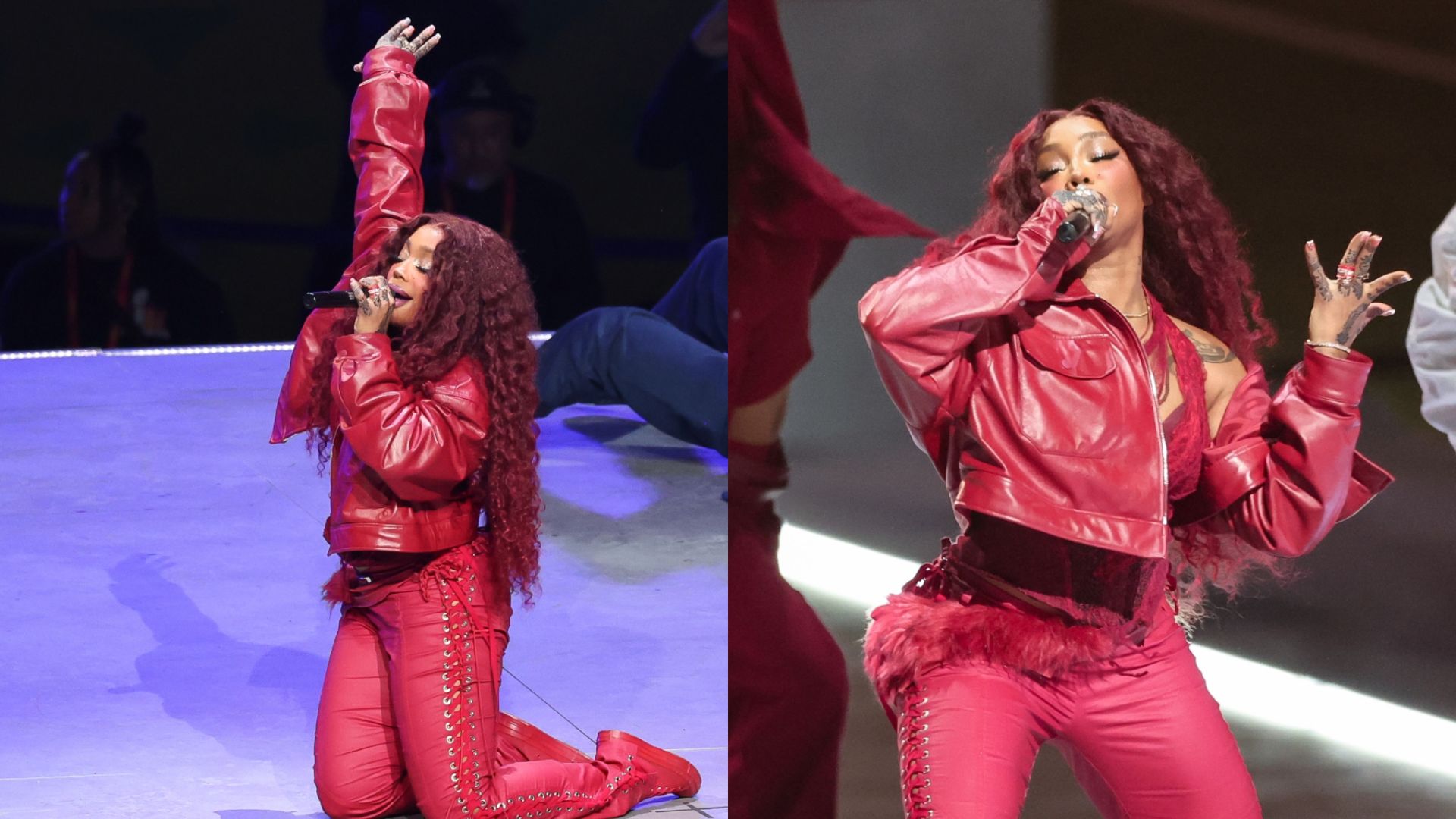
When SZA took the stage at the Super Bowl halftime show, it wasn’t just another performance — it was an event that resonated far beyond the football field. Known for her unique sound, powerful lyrics, and groundbreaking music, SZA’s Super Bowl performance wasn’t just a musical showcase; it was a statement. As the first Black woman to headline the halftime show in years, her performance sent waves across the music industry and pop culture at large.
In this article, we’ll dive deep into SZA’s Epic Super Bowl, break down her iconic performance, and discuss how it has impacted her career and the broader music industry. From the preparation to the performance itself, we’ll cover every detail, including the reactions, behind-the-scenes insights, and the powerful messages embedded in the show. This is more than just about the Super Bowl; it’s about SZA’s ongoing influence on the music industry and pop culture.
SZA’s Rise: From Independent Artist to Super Bowl Headliner
SZA, born Solána Imani Rowe, is an artist whose career has skyrocketed over the past decade. Initially known for her soulful, introspective music, SZA caught the world’s attention with her debut studio album Ctrl. Her ability to blend R&B with elements of pop, hip-hop, and neo-soul made her a force to be reckoned with in the music industry. From the moment Ctrl dropped, it was clear that SZA wasn’t just another voice in the crowd — she was an artist with something unique to offer.
But SZA’s story isn’t just about talent; it’s about perseverance. Before breaking through, SZA faced several challenges, from battling self-doubt to navigating the complexities of the music industry. Her songs reflect these struggles, which made her an artist people could relate to. Tracks like “Love Language” and “The Weekend” became anthems for many who resonated with SZA’s raw honesty.
Her rise wasn’t without its challenges, but SZA proved time and time again that she was a force to be reckoned with. By the time she performed at the Super Bowl, she had already amassed Grammy awards, chart-topping albums, and a fan base that spanned across the globe.
What Made SZA’s Super Bowl Performance Unforgettable
Performing at the Super Bowl halftime show is an honor that few artists get to experience, and SZA’s performance was a moment to remember. The performance wasn’t just about showcasing her music; it was an expression of identity, culture, and empowerment.
The Setlist: A Journey Through SZA’s Iconic Hits
SZA’s setlist was carefully curated, blending fan-favorite hits with new releases that showcased her versatility as an artist. From her breakthrough single “Love Galore” to her chart-topping hit “Good Days,” SZA delivered a seamless mix of her greatest songs. Her ability to transition between different styles — from upbeat, dance-worthy tracks to more introspective, slower ballads — kept the audience on the edge of their seats.
One of the standout moments was when SZA performed “Kill Bill,” a track from her latest album SOS, which became a global anthem. The performance was a nod to her growth as an artist while also celebrating her roots in alternative R&B and neo-soul.
The choice of songs was strategic. Each track was a reflection of SZA’s journey, from her debut album Ctrl to her more recent work. By the end of her performance, it was clear that SZA had not only earned her place as a Super Bowl headliner but had also cemented her legacy in the music industry.
The Visuals: A Stunning Representation of SZA’s Vision
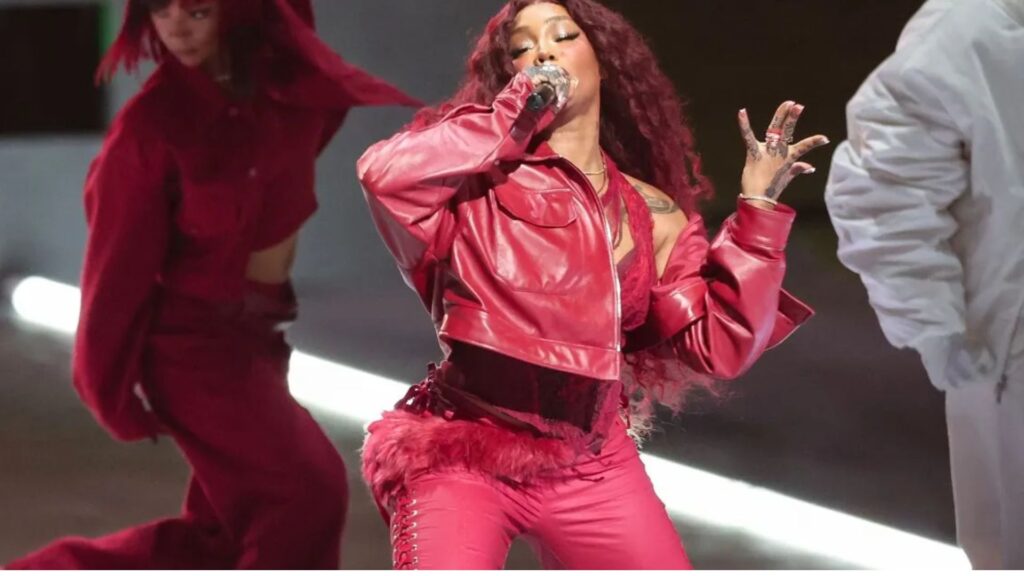
One of the standout aspects of SZA’s Epic Super Bowl performance was the striking visuals. Her stage design, lighting, and costume choices all played a key role in amplifying the impact of her performance. The visual narrative created a seamless connection between her music and the cultural messages she’s championed throughout her career.
From the moment she stepped onto the stage, the production quality was breathtaking. SZA’s outfit, which blended futuristic elements with classic glamour, reflected her ability to mix the old with the new. The lighting and choreography, designed to amplify the emotion in each song, took the performance to another level. It wasn’t just about the music — it was about creating an experience that resonated with fans on a deeper level.
Her performance of “I Hate U” featured a stunning light display that shifted with the song’s moody, atmospheric tone. The use of bold, vibrant colors during her performance of “Good Days” contrasted sharply with the darker tones, creating a dynamic visual journey that kept viewers engaged from start to finish.
The Cultural Impact of SZA’s Super Bowl Performance
SZA’s Super Bowl performance wasn’t just about music — it was a cultural moment that resonated deeply with her fans and the broader public. For many, seeing SZA, a Black woman, take the stage at the Super Bowl was a powerful statement about representation in music and entertainment. Her performance was a reminder of how far she has come and how much she has influenced the music landscape.
Representation Matters: Breaking Barriers for Black Women in Music
Historically, the Super Bowl halftime show has been dominated by male artists and pop superstars. Female artists of color have had to work harder to earn the same recognition. SZA’s performance was a testament to the changing tides of the industry. Her presence at the Super Bowl was a victory not just for her career but for other Black women in music, demonstrating that they too can headline such monumental events.
By choosing to perform her music with such boldness and confidence, SZA also sent a message about self-empowerment. Her fans saw her at the top of her game, representing the struggles and triumphs of women of color everywhere. This was more than just a music performance — it was a celebration of identity, culture, and the importance of representation in mainstream media.
SZA’s Role in Shaping Modern R&B
SZA’s performance also highlighted her role in shaping modern R&B. Over the years, she has redefined what R&B can be, blending elements of hip-hop, soul, and pop into a sound that is uniquely her own. Her ability to weave personal experiences into her music has made her one of the most influential artists of her generation.
R&B today is more than just slow jams and love songs; it’s a platform for storytelling, for exploring vulnerability, and for pushing boundaries. SZA’s Super Bowl performance solidified her position as one of the key figures in this transformation. Her work has helped elevate R&B from a niche genre to a global force, reaching listeners of all backgrounds.
Behind the Scenes: Preparing for a Super Bowl Halftime Show
Preparing for the Super Bowl halftime show is no small feat. The logistics, rehearsal schedules, and choreography required to pull off such a performance are enormous. For SZA, the stakes were even higher, as she was stepping into a role that had been previously dominated by pop stars and rock icons.
SZA’s team worked tirelessly to ensure that every detail was flawless. From the initial concept to the final rehearsal, there was a constant focus on making the performance visually stunning while remaining true to her artistic vision. Her input was crucial in shaping the direction of the performance, ensuring that it felt authentic to her style while also appealing to a mass audience.
The Reactions: What Fans and Critics Are Saying
When SZA took the stage at the Super Bowl, the reactions were nothing short of electric. Fans flooded social media with praise, commenting on how her performance had exceeded their expectations. Many praised her for her authenticity, her stage presence, and the emotional depth she brought to her songs.
Critics also lauded SZA for her ability to bring her unique sound to a mainstream stage. While other artists might have shied away from the spotlight, SZA embraced it, delivering a performance that felt both personal and grand. For many, this marked a turning point in her career, cementing her as not just an artist but a cultural icon.
The Legacy of SZA’s Super Bowl Performance
SZA’s Super Bowl halftime show was a landmark moment in her career and in the broader music industry. Her performance not only showcased her immense talent but also highlighted her role as a cultural leader. For generations to come, her Super Bowl performance will be remembered as a pivotal moment in the evolution of modern music and entertainment.
As she continues to break barriers and redefine genres, there’s no doubt that SZA’s influence will only grow. Her Super Bowl performance was just one chapter in her ongoing journey, and fans can’t wait to see what she does next.
Conclusion
SZA’s Super Bowl halftime performance wasn’t just another show — it was an experience that transcended music. It was a cultural statement, a powerful example of representation, and a bold step forward for Black women in music. From the setlist to the visuals, SZA’s performance was a testament to her talent, her influence, and her ability to connect with audiences on a personal level.
As she continues to evolve as an artist and cultural figure, there’s no telling how much more SZA will accomplish. But one thing is for certain: her Super Bowl performance will go down in history as a game-changer, both for her career and for the music industry as a whole.
About the Author