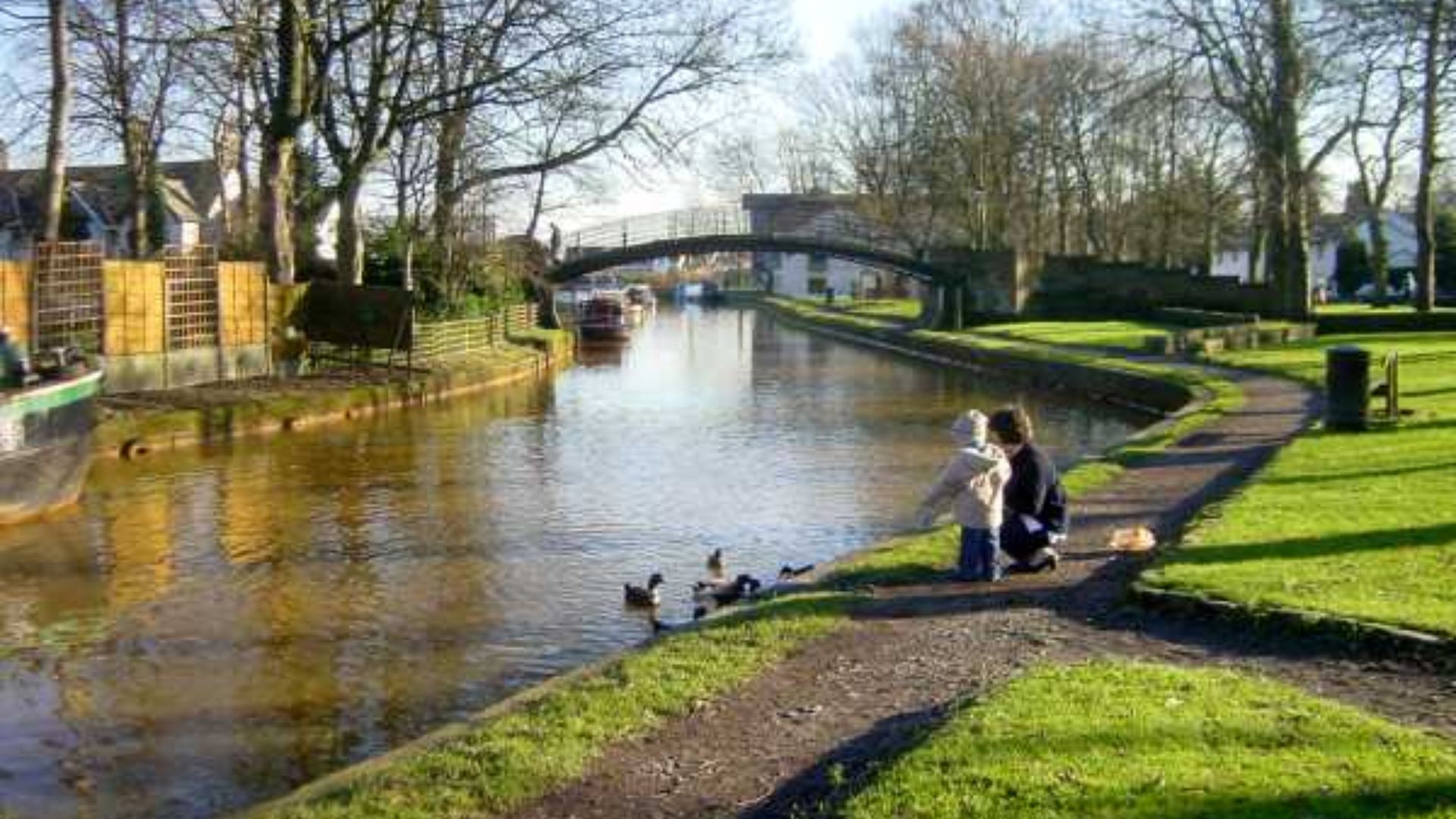
The Bridgewater Canal is one of the most iconic and historically significant canals in the United Kingdom. Spanning from Worsley to Manchester, it holds a prominent place in the story of industrialization and transport in the 18th century. This canal is not just a functional waterway but a fascinating journey through time, culture, and natural beauty.
In this article, we will dive deep into the Bridgewater Canal, its historical background, its current importance, and how it has transformed into a place of leisure and tourism today. Whether you’re a history buff, nature lover, or someone interested in experiencing something unique, the Bridgewater Canal has a lot to offer.
A Glimpse into History
The Bridgewater Canal was completed in 1761 by the Duke of Bridgewater, Francis Egerton, who is often credited with sparking the canal-building boom that took place during the Industrial Revolution. Before the canal’s existence, transporting coal from the mines in Worsley to Manchester was a massive challenge. The roads were poor, and transportation costs were high. This inefficiency led to the creation of the Bridgewater Canal, which was specifically designed to carry coal from the Duke’s mines in Worsley to the growing industrial city of Manchester.
Interestingly, the Bridgewater Canal was the first waterway in England to be built purely for commercial purposes. The success of the canal inspired many others to build similar canals across the UK, changing the way goods were transported and setting the stage for the era of steam-powered transport.
The construction of the canal was a technical feat at the time, with engineers and workers overcoming challenges such as steep gradients and difficult terrain. The canal was designed with a steady gradient, making it an efficient waterway for transporting heavy cargo.
The Bridgewater Canal: Engineering Marvel
The canal stretches over 13 miles and features 12 locks, allowing boats to navigate the changes in elevation. The locks, built of stone, are essential to the smooth operation of the waterway, and the design of these locks influenced later developments in canal engineering. One of the most notable features of the Bridgewater Canal is its use of a water-saving mechanism. The locks were designed in such a way that minimal water was lost during operation, making it more sustainable than many other canals built at the time.
The canal also contains some of the earliest examples of “canal basins”—large, circular reservoirs where barges could wait before entering the locks. These basins were used to help manage the flow of traffic and prevent congestion, making the canal one of the most efficient of its time.
The Industrial Legacy of the Canal
As one of the first canals built for industrial transport, the Bridgewater Canal played a vital role in the industrial revolution. It provided an efficient means of transporting coal to the heart of Manchester, fueling the city’s growth and industrial development. The success of the canal demonstrated the immense potential of water transport for heavy goods, and it soon inspired the development of an extensive canal network across the country.
Manchester, often considered the heart of the industrial revolution, thrived thanks to the canal’s ability to quickly move goods in and out of the city. The canal also helped to lower the costs of goods, making products more affordable to the working class and fostering a growing economy in the region.
The Bridgewater Canal also significantly impacted the local landscape. The canal’s construction facilitated the development of new industries, such as mills and factories, which used the canal to ship raw materials and finished goods. It became a central part of Manchester’s industrial heritage.
The Decline of the Canal’s Industrial Use
By the 20th century, the use of the Bridgewater Canal began to decline. The rise of railways and motorized vehicles gradually replaced canal transport, and the canal was no longer needed for commercial purposes. With the decline of industry in Manchester, the canal fell into disuse and became a forgotten relic of the past.
However, in the latter half of the 20th century, efforts were made to restore the canal and revitalize the surrounding areas. The canal became a hub for leisure activities, such as boating, walking, and cycling, attracting visitors from near and far. The waterway was reconnected to other parts of the canal network, and the surrounding areas were transformed into recreational spaces that preserved the canal’s historical charm while offering a peaceful escape from urban life.
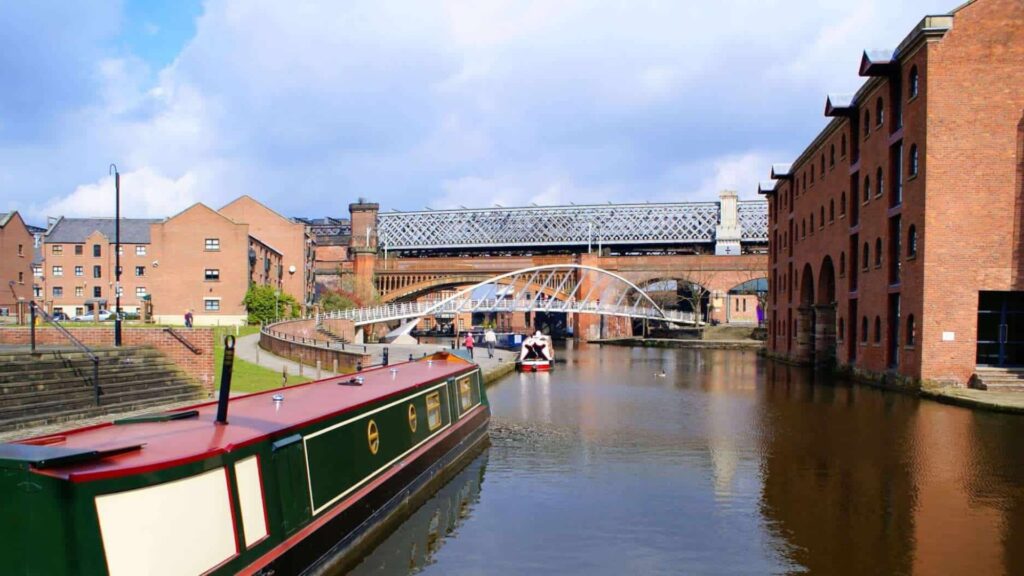
Exploring the Bridgewater Canal Today
Today, the Bridgewater Canal is a popular spot for both locals and tourists. Whether you’re interested in taking a leisurely walk along its towpaths, enjoying a boat ride, or cycling through its scenic routes, there’s something for everyone.
One of the best ways to experience the canal is by walking along the towpath, which stretches the full length of the canal. As you walk, you’ll pass through picturesque countryside, historical landmarks, and vibrant communities. The route is dotted with cafes, pubs, and restaurants, making it the perfect spot for a relaxing afternoon.
For those who enjoy a more active experience, cycling along the canal is a fantastic option. The canal path offers a smooth and level ride, making it ideal for cyclists of all skill levels. Along the way, you’ll encounter a mix of nature, history, and modern amenities.
Boating is another popular activity on the canal. Several boat hire services operate along the Bridgewater Canal, offering visitors the chance to experience the waterway from a different perspective. Whether you choose to take a guided tour or rent a narrowboat for a self-guided adventure, the canal offers a unique way to explore the area.
The Importance of the Bridgewater Canal for Local Communities
Beyond its historical and recreational significance, the Bridgewater Canal plays an important role in the communities that surround it. The canal helps to support local businesses, particularly in areas where tourism is a key part of the economy. Restaurants, shops, and hotels that line the canal’s path benefit from the steady flow of visitors, and many local groups work to preserve and protect the canal and its surrounding environment.
The canal also serves as an educational resource. Many schools and universities use the canal as a case study for teaching students about industrial history, engineering, and environmental sustainability. The Bridgewater Canal is a living testament to the ingenuity of past generations and a reminder of the importance of preserving our industrial heritage.
Personal Experience: A Journey Along the Canal
As someone who has spent time exploring the Bridgewater Canal, I can personally attest to the charm and beauty of this waterway. Whether you’re walking or cycling, the journey is a peaceful escape from the hustle and bustle of city life. The canal offers an opportunity to reflect on history while enjoying the present moment.
One of the highlights of my visit was the stretch of canal near Worsley, where the lush greenery and tranquil waters create a perfect atmosphere for relaxation. I also enjoyed the vibrant town centers along the route, where local cafes offer a chance to sit and watch the boats go by. For anyone visiting the Manchester area, the Bridgewater Canal is a must-see destination.
Conclusion
The Bridgewater Canal is more than just a waterway; it’s a living piece of history that has played a crucial role in shaping the industrial landscape of England. From its beginnings as a vital transport route for coal to its transformation into a hub for leisure and recreation, the canal offers something for everyone.
Whether you’re a history enthusiast, a nature lover, or someone simply looking for a peaceful escape, the Bridgewater Canal has much to offer. It serves as a reminder of the ingenuity and hard work of past generations while providing a serene and enjoyable experience for visitors today.
The Bridgewater Canal is a testament to how historical landmarks can evolve and continue to enrich the lives of those who encounter them. It’s a place where the past and present converge, offering a unique glimpse into the rich industrial heritage of Manchester while providing a modern-day escape. So, whether you’re walking along the towpath, cycling through the countryside, or taking a boat ride on the canal, one thing is certain: the Bridgewater Canal will leave you with lasting memories and a deeper appreciation for the history that shaped our world.
About the Author