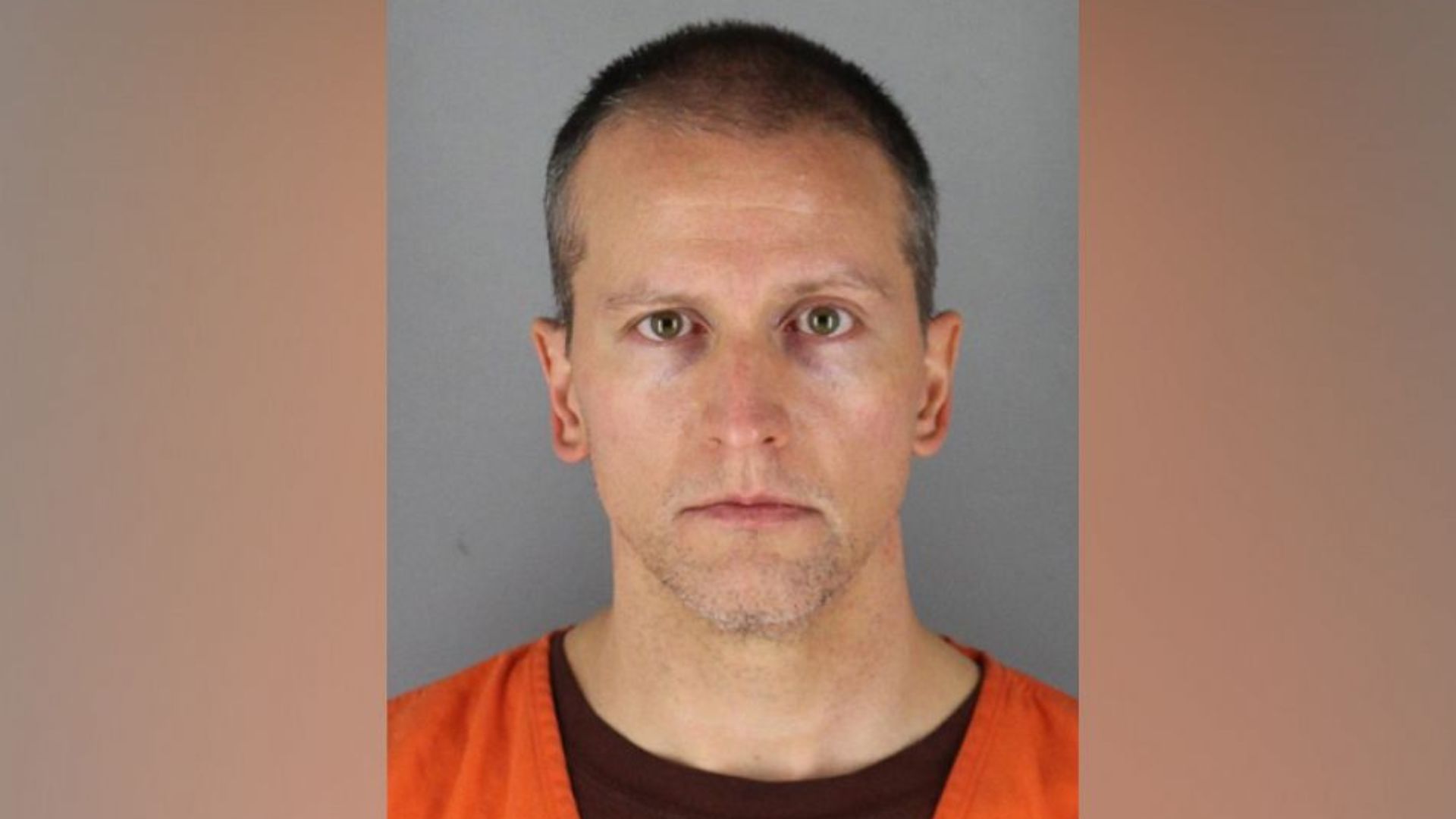
The name Derek Chauvin became known around the world after the death of George Floyd in May 2020. What happened that day in Minneapolis changed conversations about policing, justice, and race across the globe. This article explains the full story in simple words so that anyone can understand it clearly. We will look at who Derek Chauvin is, what happened during the incident, how the trial unfolded, what the court decided, and how the case still affects society today.
My goal is to explain everything in an easy, balanced, and respectful way, using only confirmed information from court records and public sources. The topic is emotional for many people, so the writing stays calm, factual, and clear.
Who Is Derek Chauvin?
Derek Chauvin is a former police officer who served in the Minneapolis Police Department (MPD) for about nineteen years. During his career, he received several commendations but also faced earlier complaints from the public about his conduct. Like many police officers, his job involved responding to emergencies, arrests, and public safety situations. Before 2020, he was not widely known outside Minnesota.
Everything changed after the George Floyd incident. It became one of the most talked-about events of the decade, putting Chauvin at the center of legal and social debate worldwide. Understanding who he was before the event helps explain why the trial received so much attention. It involved questions about policing, training, accountability, and public responsibility.
The Events of May 25, 2020: What Happened
On May 25, 2020, Minneapolis police responded to a call involving a suspected use of a counterfeit $20 bill. George Floyd was identified as the person involved. Officers arrived at the scene, including Derek Chauvin. A confrontation followed, leading to Floyd being restrained on the ground.
A bystander recorded a video that later became central to the case. It showed Chauvin kneeling on George Floyd’s neck area for several minutes. In the video, Floyd repeatedly said he could not breathe. Medics arrived and transported him to the hospital, where he was pronounced dead.
The incident quickly spread across social media, leading to protests across the United States and the world. Millions of people saw the video, and it shaped global conversations about policing, race, and justice.
The Charges Against Derek Chauvin
After reviewing evidence, state prosecutors charged Derek Chauvin with several crimes. These included:
- Second-degree unintentional murder
- Third-degree murder
- Second-degree manslaughter
These charges were based on Minnesota laws, each with its own definition and required evidence. The state argued that Chauvin used unreasonable force and failed to provide proper care during the arrest.
Chauvin pleaded not guilty and argued through his legal team that he followed his training and that other factors contributed to Floyd’s death. This disagreement between the prosecution and defense shaped the trial.
The Trial: One of the Most Publicized in History
The trial began in March 2021 and lasted several weeks. It was broadcast live, something that rarely happens in criminal cases. Millions of people watched court proceedings every day.
Here’s a simple breakdown of what happened during the trial:
1. Jury Selection
Finding a jury was difficult because almost everyone had seen the video. Lawyers asked hundreds of questions to ensure jurors could remain fair and impartial.
2. Opening Statements
The prosecution focused on the video and argued that Floyd died because of the restraint. The defense argued that medical issues and drugs in Floyd’s system played a role.
3. Evidence Presented
Evidence included:
- Bystander videos
- Body camera footage
- Police training manuals
- Expert medical testimony
- Testimonies from officers and supervisors
Many witnesses, including medical experts, stated that the restraint directly contributed to Floyd’s death.
4. Closing Arguments
Both sides summarized their cases. The prosecution highlighted responsibility and duty of care. The defense emphasized doubt and alternative explanations for death.
5. Verdict
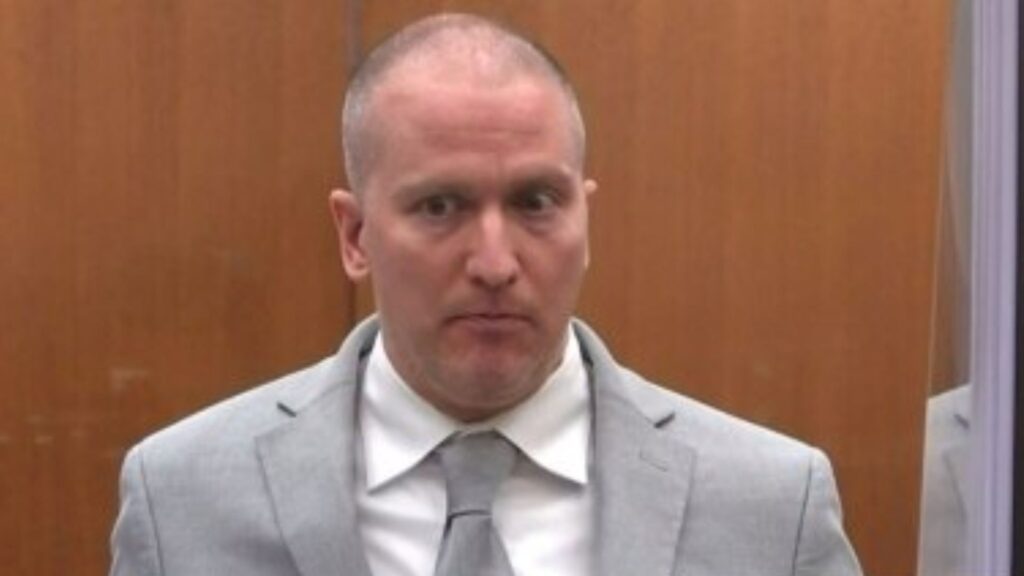
On April 20, 2021, the jury found Derek Chauvin guilty on all three charges.
This verdict was historic. It was rare for an on-duty police officer to be convicted of murder in the United States. Many people saw it as a turning point in discussions about police accountability.
Sentencing: How Long Is Derek Chauvin in Prison?
After the guilty verdict, Chauvin returned to court for sentencing. The judge reviewed legal guidelines, impact statements, and evidence of aggravating factors.
Chauvin was sentenced to:
- 22.5 years in prison for second-degree unintentional murder
- Smaller sentences for the other charges, served at the same time
He must serve a portion before being eligible for supervised release, following Minnesota law.
Separately, in a federal civil rights case, Chauvin also pleaded guilty and received an additional sentence, which runs at the same time as the state sentence.
Where Is Derek Chauvin Now?
Chauvin is serving his sentence in federal custody. His location has changed for safety reasons, and the Bureau of Prisons manages his placement. Being a former police officer in prison can be dangerous, so his security arrangements differ from regular inmates.
In late 2023 and 2024, new developments occurred, including appeals and legal motions challenging parts of the conviction. Courts continue reviewing those appeals, but the main conviction stands unless overturned by a higher court.
How the Case Changed Policing in the United States
The Derek Chauvin case led to widespread discussions and policy changes. Many states and cities began reviewing:
- Use-of-force policies
- Police training
- Requirements for body cameras
- The role of police unions
- Community policing strategies
Some reforms included banning certain restraint techniques, increasing transparency, and strengthening early-warning systems to identify problem behavior in departments.
The case also sparked renewed focus on racial justice and equal treatment under the law. People around the world marched in support of reform, calling for safer and fairer policing practices.
Public Reaction: Why This Case Went Global
Many incidents involving police had occurred before, so why did this one lead to such a global response? There were several reasons:
- The video was extremely clear and widely shared.
- The incident happened during the COVID-19 pandemic, when people were at home and paying attention to news.
- Communities were already discussing inequality, making the timing significant.
- Public trust in institutions was low, making the incident a symbol of bigger issues.
- Worldwide solidarity movements formed, connecting local concerns to global ones.
All these factors made the Derek Chauvin case one of the most studied legal events in modern history.
Lessons Learned and Ongoing Conversations
This case is now taught in law schools, policing programs, ethics classes, and human rights discussions. Some of the main lessons include:
- The importance of de-escalation training
- The power of bystander videos in accountability
- The need for strong supervision within police departments
- The role of public transparency in justice
- How law enforcement policies must evolve with society
The case remains a reference point for anyone studying policing and public safety.
Frequently Asked Questions
1. What was Derek Chauvin convicted of?
He was convicted of second-degree unintentional murder, third-degree murder, and second-degree manslaughter in 2021.
2. How long is Derek Chauvin’s sentence?
He received 22.5 years in state prison, plus a federal sentence that runs at the same time.
3. Why did the case receive so much attention?
The video of the incident was widely shared and raised important questions about policing and justice.
4. Did Derek Chauvin appeal the conviction?
Yes. His lawyers have submitted several appeals. Some were denied, and others are still under review.
5. Is Derek Chauvin still in prison?
Yes, he is currently serving his sentence in federal custody.
6. How did the case impact policing?
It resulted in reforms to use-of-force rules, training programs, accountability systems, and public transparency in many cities.
Conclusion
The story of Derek Chauvin is not just about one person or one event. It became a turning point that pushed society to examine policing, justice, and equality in a deeper way. The trial, verdict, protests, and policy changes that followed show how one moment can influence an entire nation and even the world.
Understanding this case helps us understand why people demand fairness, why accountability matters, and why systems must improve to protect everyone. The conversation continues today, and the lessons are still shaping the future of public safety.
About the Author